George Anjay
The legacy of Cesar Chavez, a revered icon of the American civil rights movement and a tireless advocate for the rights of farmworkers, has been profoundly shaken by serious allegations of sexual abuse. Dolores Huerta, a co-founder of the United Farm Workers (UFW) union alongside Chavez, has come forward with deeply disturbing accounts, stating that Chavez manipulated and pressured her into sexual encounters during the 1960s, and on one occasion, forced himself upon her. These revelations, detailed in a New York Times investigation published on Wednesday, have sent shockwaves through communities and organizations that have long celebrated Chavez’s contributions. The investigation also includes allegations from two other women, Ana Murguia and Debra Rojas, who claim Chavez groomed and sexually abused them as girls during the 1970s, a period when he was in his 40s and they were young teenagers involved in the labor movement.
Chavez, who passed away in 1993 at the age of 66, is widely celebrated for his instrumental role in organizing California’s farmworkers from the 1950s onward. His leadership was characterized by powerful national boycotts, impactful marches, and unwavering dedication to securing improved working conditions and fair treatment for agricultural laborers. His image as a moral compass and a champion of the oppressed has been central to his enduring legacy. However, these new allegations cast a dark shadow over this carefully constructed narrative, forcing a difficult re-examination of his character and actions.
In her personal statement, Dolores Huerta, now 95, disclosed the profound personal toll these alleged assaults took. She revealed that the two encounters with Chavez resulted in pregnancies, which she felt compelled to keep secret. To shield herself and potentially the children from the controversy and to focus on her life’s work, she arranged for the children to be raised by other families. "I carried this secret for as long as I did because building the movement and securing farmworker rights was my life’s work," Huerta stated, underscoring the immense personal sacrifice and the difficult choices she felt she had to make to protect the burgeoning movement.
Ana Murguia and Debra Rojas, both now 66, shared their harrowing experiences with the New York Times, detailing years of alleged sexual abuse by Chavez. Their accounts span from approximately 1972 to 1977, a period when they were young girls and Chavez was a prominent figure. Their bravery in coming forward, decades after the alleged incidents, has been widely acknowledged as a crucial step in confronting uncomfortable truths about powerful historical figures.
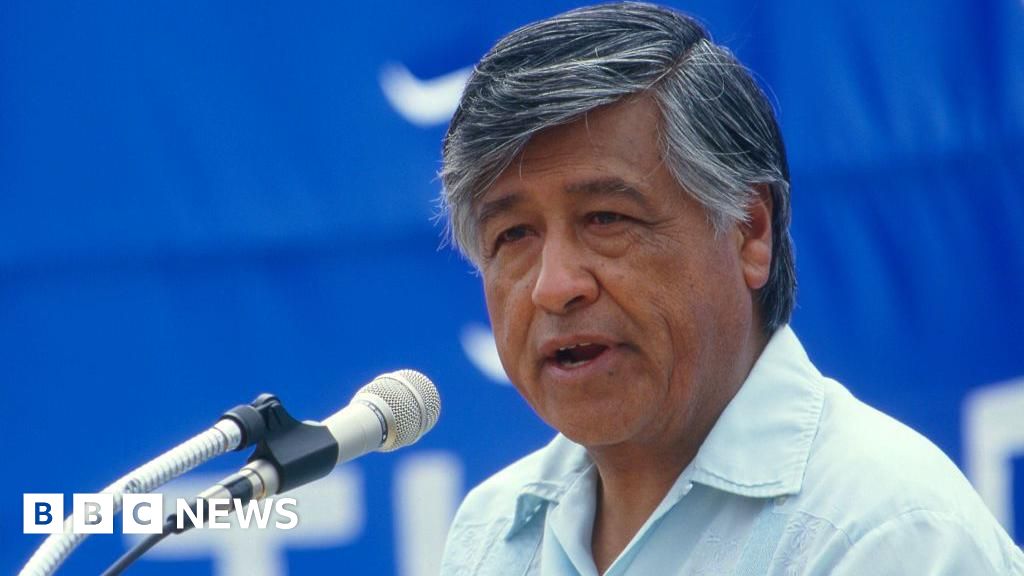
The impact of these allegations has been swift and far-reaching, particularly concerning the annual celebrations of Cesar Chavez Day, observed on March 31st. Several events organized to commemorate the holiday have either been canceled or had their names changed, reflecting a growing unease and a desire to distance from the controversial figure. The United Farm Workers union itself issued a statement announcing its cancellation of participation in the celebrations. The union clarified that it had "not received any direct reports" and "do not have any firsthand knowledge" of the specific allegations, a statement that has drawn scrutiny from those calling for a more robust response.
Political figures have also reacted to the news. California Governor Gavin Newsom acknowledged the significance of the farmworker and labor movements, stating that they are "much bigger than one man." He expressed his solidarity with "the courageous women" who have spoken out, including Dolores Huerta. In a separate address, Newsom indicated his openness to renaming Cesar Chavez Day in California, a sentiment echoed by Republican assemblywoman Alexandra Macedo, who has introduced legislation to change the holiday’s name to Farmworker Day. Los Angeles Mayor Karen Bass emphasized the need for sustained action to dismantle systemic structures that have historically harmed women. "The sickening reality is that what Dolores, Ana, and Debra endured is not isolated, nor is it of the past," Bass stated, highlighting the ongoing need for vigilance and reform.
The allegations have been met with widespread condemnation from various civil rights organizations. The League of United Latin American Citizens (LULAC) issued a strong statement asserting that "No individual, regardless of stature or legacy, is above accountability when it comes to protecting and upholding the dignity of others." This sentiment underscores a growing movement to hold historical figures accountable for their actions, even when those actions conflict with their public image.
The Cesar Chavez Foundation has also acknowledged the gravity of the situation. In a statement, the foundation confirmed its awareness of "disturbing allegations" that its founder had engaged in inappropriate sexual behavior with women and minors during his tenure as president of the UFW. The foundation expressed being "deeply shocked and saddened" by these revelations and indicated that it is actively collaborating with leaders within the Farmworker Movement to address these allegations and to provide support to anyone who may have been harmed. The response from the foundation suggests a commitment to confronting the difficult truths and to prioritizing the well-being of victims.
The unfolding narrative surrounding Cesar Chavez presents a complex challenge for historical interpretation and social justice advocacy. It compels a critical examination of how societies grapple with the legacies of figures who have made significant contributions but may also have engaged in harmful behavior. The courage of the accusers in coming forward, the support they have received from public figures and organizations, and the ongoing re-evaluation of Chavez’s legacy all point to a pivotal moment in the ongoing struggle for accountability and justice. The conversation has shifted from celebrating a singular hero to understanding the multifaceted nature of leadership and the importance of addressing all aspects of a historical figure’s life, particularly when those aspects involve the violation of others. The demand for accountability and the support for survivors are becoming increasingly central to how history is remembered and taught, ensuring that the pursuit of justice extends to those who have been historically marginalized or silenced.




 Nakalama John
 Ramos Leo
 Nana Banana