
 atisusanti
Amazon’s venerable digital assistant, Alexa, resident in millions of homes via the Echo smart speaker, is poised for a significant transformation with the rollout of an advanced AI upgrade across the United Kingdom. This isn’t merely a minor tweak; the new iteration, dubbed "Alexa+," aims to inject a more dynamic and conversational personality into the device, moving it beyond its current perceived limitations and closer to the sophisticated AI chatbots that have captured public imagination. The move is a clear response to criticisms that the Echo, since its 2016 debut, has stagnated in terms of conversational ability, while competitors like ChatGPT, Gemini, and Claude have set new benchmarks for user interaction.
Industry observers are keenly anticipating the public’s reception to this revamped Alexa. Jessica Miller, head of data insights at FDM/CCS Insight, predicts a potentially polarizing reaction. "It will be interesting to see how users react to this – we expect this could be polarizing, with some enjoying the more relaxed, familiar interactions while others may find it disconcerting," she commented. Miller emphasizes the tangible difference UK consumers can expect: "UK consumers will notice an immediate difference. Using Alexa+ is a very different experience."
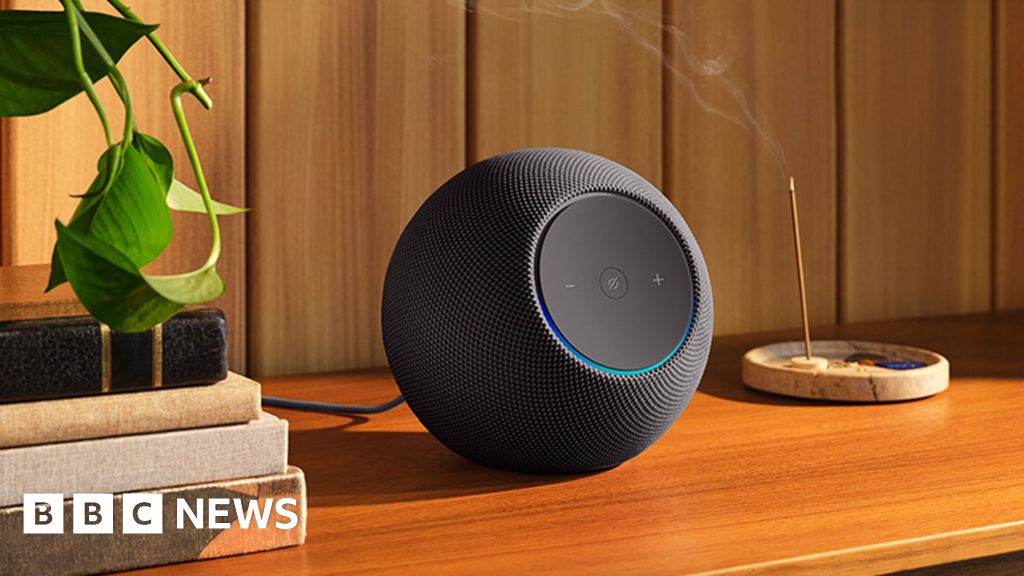
To illustrate the shift, consider a simple query about the weather. The current Alexa might respond to "Do I need an umbrella today?" with a factual "No rain is expected today." In contrast, an Alexa+ demonstration revealed a more nuanced and engaging reply: "Actually, you can leave the brolly at home, with sunny skies and no rain in the forecast, you’ll be sorted without it." This subtle yet significant change in tone and phrasing highlights Alexa+’s enhanced natural language processing capabilities and its ability to adopt a more proactive and even slightly playful persona.
The evolution of Alexa comes at a time when smart speakers, in general, have faced scrutiny for their perceived lack of innovation compared to the rapid advancements in standalone AI platforms. Ed Freed, formerly of the marketing agency Rapp UK, famously characterized the Echo for many users as "nothing more than expensive kitchen timers," a sentiment that underscores the challenge Amazon faces in demonstrating the continued value of its smart speaker ecosystem. However, Amazon maintains that the Echo remains a significant presence in British households, claiming that 52% of the UK has tried the device and reporting a staggering 114 billion "interactions" with Alexa in the UK since 2023 – an average of approximately 1,500 interactions per person in the population. This suggests a deeply ingrained usage pattern, even if the perceived sophistication has lagged.
The competitive landscape is also heating up. Google’s smart speaker offerings, like the Google Nest, are evolving to incorporate its Gemini AI platform, rebranding as "Gemini for Home." However, the hardware underpinning these devices, particularly smart speaker screen displays, has seen limited updates, with the last significant refresh reportedly occurring in 2021, as noted by the Android Police website. This highlights the ongoing race among tech giants to integrate cutting-edge AI into everyday devices and maintain user engagement.

The financial implications of the Echo and Alexa have been a subject of considerable discussion. The devices have reportedly incurred billions of dollars in losses for Amazon and have struggled to establish a consistent revenue stream beyond the initial hardware purchase. This has led to strategic adjustments within Amazon, including targeted redundancies within its "device and services" department in 2022 and 2025. The cost of the Alexa+ upgrade and its subscription model is designed to address this. Alexa+ will be available at no additional cost to Amazon Prime subscribers, who pay £95 annually or £19.99 per month for the service. This pricing strategy aims to leverage the existing Prime membership base to drive adoption of the enhanced Alexa experience. New Echo devices will come with immediate access to Alexa+, while owners of older devices will need to register online to enable the upgrade.
While the direct subscription revenue from Alexa+ might not immediately offset past losses, the enhanced conversational capabilities offer a significant indirect benefit: data acquisition. More detailed and natural conversations with Alexa+ could provide Amazon with invaluable insights into user preferences, habits, and evolving needs. This rich dataset can then be used to refine advertising targeting, improve product recommendations, and inform the development of future Amazon services and devices. In essence, a more engaging and talkative Alexa could become an even more potent engine for Amazon’s vast data-driven ecosystem, reinforcing its position in the competitive digital assistant market and potentially turning conversational depth into a new frontier for personalized advertising and service delivery. The success of Alexa+ will likely depend on its ability to strike a balance between enhanced functionality, user privacy, and demonstrable value, ultimately redefining the role of the smart speaker in the AI-driven future. The company’s investment in this AI overhaul signals a strong commitment to revitalizing its smart home presence and reclaiming a leadership position in the rapidly evolving world of artificial intelligence.



 George Anjay
 Nakalama John
 Ramos Leo
 Roy Suryo
 Nana Banana