atisusanti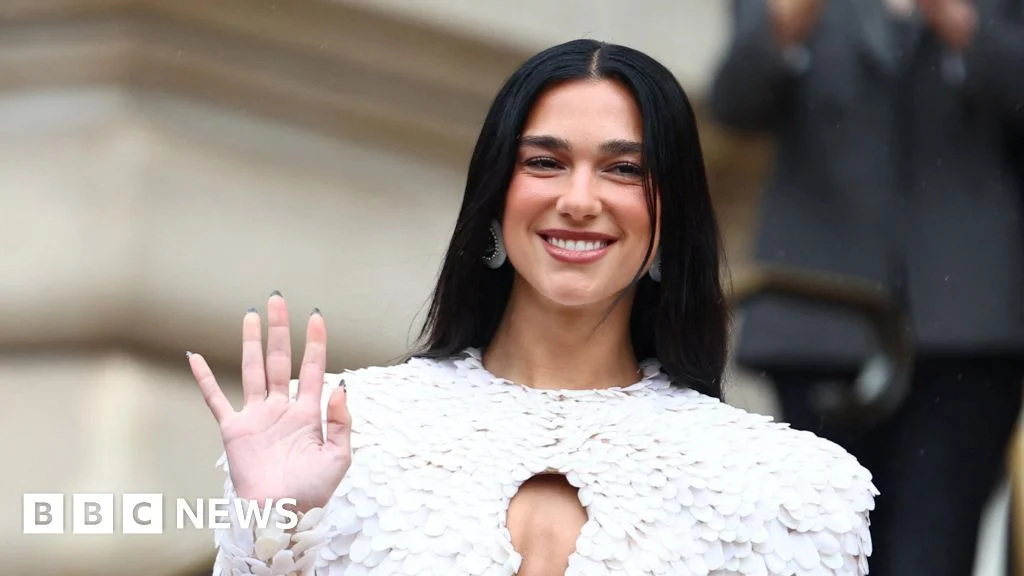
The UK government has dramatically reversed its stance on Artificial Intelligence (AI) and copyright, announcing a significant policy shift after facing intense criticism from the creative industries and a host of high-profile artists. Initially, the government proposed a system that would permit AI companies to train their models using copyrighted works, with only an opt-out mechanism for creators. This controversial proposal, which many feared would undermine the livelihoods of artists, musicians, writers, and filmmakers, ignited a firestorm of protest.
In a notable concession, Technology Secretary Liz Kendall stated on Wednesday, "We have listened," confirming that the government has abandoned its favored approach. However, this retreat has left the government’s future direction on the matter decidedly unclear, with officials now asserting they "no longer have a preferred option" for how to proceed. This pivot has been hailed as a "major victory for campaigners" by Tom Kiehl, chief executive of UK Music, who indicated a willingness to collaborate with the government moving forward.
Kendall emphasized the extensive consultations undertaken with stakeholders from both the creative and AI sectors. The government’s challenge lies in navigating the delicate balance between fostering innovation in AI, which necessitates training on vast datasets of creative content, and safeguarding the rights and economic interests of creators. An accompanying impact assessment highlighted the substantial contributions of both industries to the UK economy, recognizing "UK culture" as a "world-leading national asset" while noting the AI industry’s rapid growth, outpacing the rest of the economy by "23 times."
The government’s announcement followed a public consultation that revealed overwhelming opposition to its initial plan from the creative sector. Despite this significant shift, no definitive timeline or concrete plan for future legislative action has been provided. The government has declared it will not reform copyright laws "until we are confident that they will meet our objectives for the economy and UK citizens." This cautious approach underscores the complexity and sensitivity of the issue.
Mandy Hill, managing director at Cambridge University Press and president of the Publishers Association, characterized the government’s backtrack as a triumph "over the self-interest of a handful of large corporations." However, she cautioned that the government has not entirely ruled out the possibility of tech companies utilizing copyrighted material for AI training without explicit licensing. Hill firmly reiterated the current legal position: "The existing law is clear. Copyright material cannot be used for AI development and training without permission."
From the technology sector, Anthony Walker, deputy chief executive of Tech UK, stressed the critical importance of achieving the correct equilibrium. "The UK has set its sights on leading the G7 in AI adoption, but that requires a clear and enabling framework for AI innovation," he commented. Walker warned that with international competitors advancing, "the UK cannot afford for this to remain unresolved." The ongoing debate surrounding AI and copyright remains highly contentious, with significant implications for the future of creative industries and technological advancement.
Last year, prominent British artists, alongside members of the House of Lords, advocated for an amendment to the government’s Data (Use and Access) Bill. This proposed amendment would have mandated that tech companies disclose their use of copyrighted material in training AI tools. Critics argued that without such transparency, technology firms would be empowered to freely utilize UK content to develop AI products capable of mimicking human creativity, potentially leading to widespread job losses for artists. Sir Elton John, in a candid interview with the BBC, condemned this prospect, likening it to "committing theft, thievery on a high scale." Despite these strong objections, the government ultimately rejected the amendment, and the broader bill was passed.
Joy and disappointment for creatives and the tech sector
The government’s policy reversal has elicited both elation and concern across different sectors. Dr. Jo Twist, chief executive of the BPI, the trade body for the UK music industry, expressed her satisfaction with the government’s change of heart. "We don’t want to see any kind of text and data mining exception being introduced further down the line," she stated. Dr. Twist highlighted the potential for innovation and growth if the licensing market is allowed to flourish, enabling creativity and AI to progress collaboratively, "not at the expense of our creativity."
Echoing this sentiment, UK Music boss Tom Kiehl emphasized the need for creators to work without the "constant fear that the fruits of their labour could effectively be taken by AI firms without payment or permission." The Musicians’ Union further advocated for the implementation of collective licensing schemes, ensuring that individual artists, not solely major rights holders, are adequately protected.
Conversely, Vinous Ali of the Startup Coalition, an organization supporting UK tech startups, voiced disappointment at the lack of a more definitive resolution. "It is critical we find a workable solution that allows our AI startups to go toe to toe with competitors operating in more enabling environments," she urged. The concern within the tech startup community is that the prolonged uncertainty could hinder their ability to compete globally.
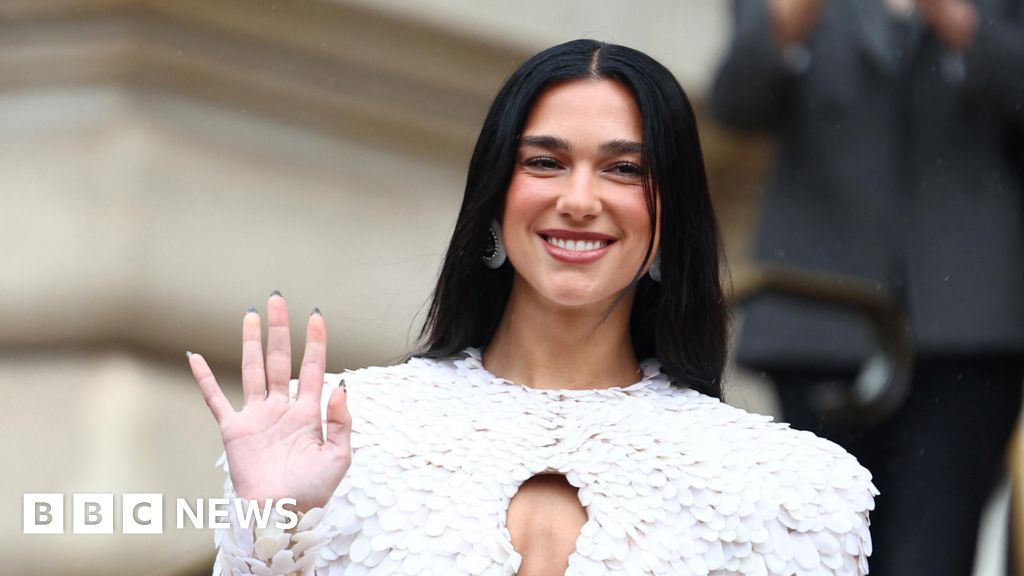
The initial government proposal, which emerged from a consultation on copyright law in the age of AI, suggested that AI developers could utilize published works for training purposes, provided they offered creators an opt-out. This approach was met with widespread condemnation from artists, authors, musicians, and publishers, who argued it would devalue their work and threaten their livelihoods. High-profile figures like Sir Elton John and Dua Lipa publicly voiced their opposition, highlighting the potential for AI to replicate their artistic styles without compensation or permission.
The impact assessment accompanying the policy shift acknowledged the dual economic significance of both the creative industries and the burgeoning AI sector. It underscored the value of "UK culture" as a "world-leading national asset" while simultaneously pointing to the AI industry’s exceptional growth rate, twenty-three times faster than the broader economy. This recognition of competing economic imperatives underscores the government’s difficult task in formulating a balanced policy.
The debate intensified when the government, in June of the previous year, rejected an amendment to the Data (Use and Access) Bill. This amendment, championed by artists and lawmakers, sought to compel AI companies to declare their use of copyrighted material in training AI. The failure to include this provision, critics argued, effectively granted tech firms a free pass to exploit UK content, thereby enabling their AI products to mimic creative works and potentially displacing human artists. Sir Elton John’s stark comparison of this scenario to "high-scale theft" resonated with many in the creative community, who felt their intellectual property was being disregarded.
The government’s current position of "no preferred option" signifies a period of further deliberation and engagement. While this may offer some respite to the embattled creative industries, it also leaves the AI sector in a state of regulatory ambiguity. The ultimate outcome will likely hinge on the government’s ability to forge a compromise that respects intellectual property rights while fostering the growth and innovation of the AI landscape. The need for a clear and stable regulatory framework is paramount for both sectors, and the UK’s ambition to lead in AI adoption depends on resolving this complex copyright conundrum. The government’s backtrack, while a victory for campaigners, underscores the nascent and challenging nature of regulating AI and its profound impact on creative economies. The path forward requires careful consideration of licensing models, ethical data usage, and the fundamental principles of copyright law in an increasingly digitized world.
Additional reporting by BBC Music Correspondent Mark Savage.


 Nakalama John
 George Anjay
 Ramos Leo
 Roy Suryo