
 Nana Banana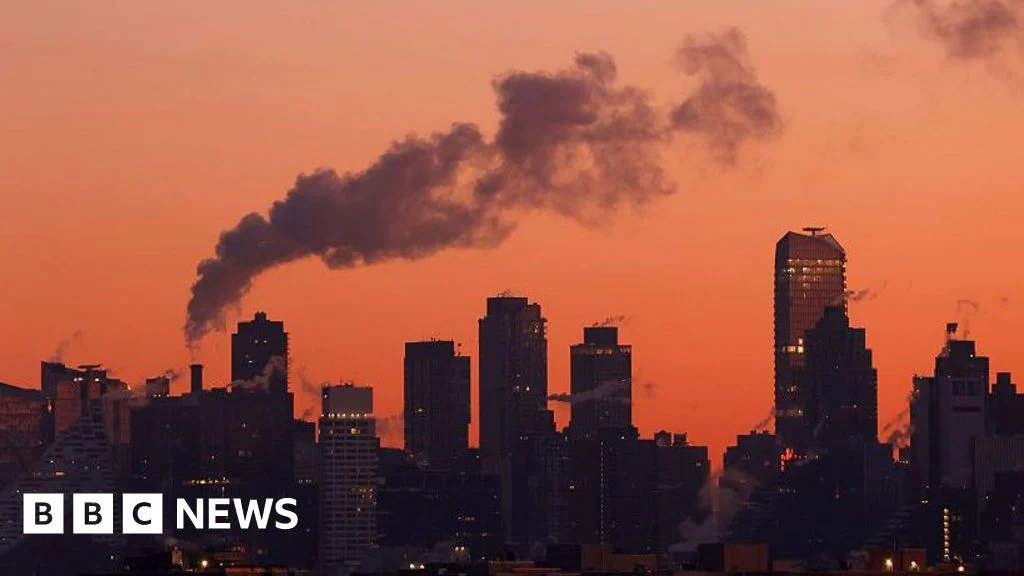
The 2009 endangerment finding by the Environmental Protection Agency (EPA) was not merely a regulatory pronouncement; it was a direct response to a landmark 2007 Supreme Court decision in Massachusetts v. EPA. In that case, the Supreme Court ruled that the EPA possessed the authority, and indeed the responsibility, under the Clean Air Act, to regulate greenhouse gases if it determined they endangered public health or welfare. The subsequent 2009 finding, issued during the Obama administration, meticulously concluded that six key greenhouse gases – carbon dioxide, methane, nitrous oxide, hydrofluorocarbons, perfluorocarbons, and sulfur hexafluoride – did, in fact, endanger both public health and the environment. This finding provided the crucial legal basis for a cascade of federal climate policies, including stringent emissions standards for vehicles, regulations for power plants like the Clean Power Plan, and controls on industrial facilities, all aimed at mitigating the impacts of climate change.
President Donald Trump, a vocal skeptic of climate change, has consistently labeled it a "hoax" and a "con job." His administration’s decision to repeal the endangerment finding represents a central pillar of his broader agenda to dismantle environmental regulations, prioritize fossil fuel production, and withdraw the United States from international climate agreements. Upon announcing the repeal, President Trump touted it as a major achievement, characterizing it as a victory against what he described as the Democratic Party’s "radical" energy and climate policies and dismissing the scientific consensus as the "Green New Scam." This move signaled a clear ideological departure from previous administrations and a direct challenge to the scientific community.
The legal challenge mounted by the states and local governments asserts that overturning the 2009 endangerment finding is an arbitrary and capricious action that violates provisions within the Clean Air Act. The coalition includes 23 states, alongside 17 prominent cities, counties, and state agencies, signifying a broad, unified opposition to the federal government’s policy shift. Among the leading plaintiffs are the attorneys general and representatives from major metropolitan areas such as New York City, Los Angeles, San Francisco, Boston, and Chicago, as well as state bodies like the Pennsylvania Department of Environmental Protection. Their collective argument hinges on the premise that the EPA’s reversal lacks a sound scientific or legal basis, contending that the agency cannot simply ignore or arbitrarily re-interpret established scientific conclusions about climate change without compelling new evidence.
Letitia James, New York State’s attorney general, articulated the plaintiffs’ stance with urgency, stating that the Trump administration’s decision to discard the ruling "ignored the reality that the climate crisis is here, and it is already reshaping the way we live." She further emphasized the profound implications of the repeal, asserting that "instead of helping Americans face our new reality, the Trump administration has chosen denial, repealing critical protections that are foundational to the federal government’s response to climate change." This sentiment reflects a widespread concern among state and local leaders who are grappling with the tangible effects of climate change, from rising sea levels and extreme weather events to public health impacts and economic disruptions. For these jurisdictions, federal inaction or, worse, active deregulation, places an increased burden on their resources and their ability to protect their constituents.
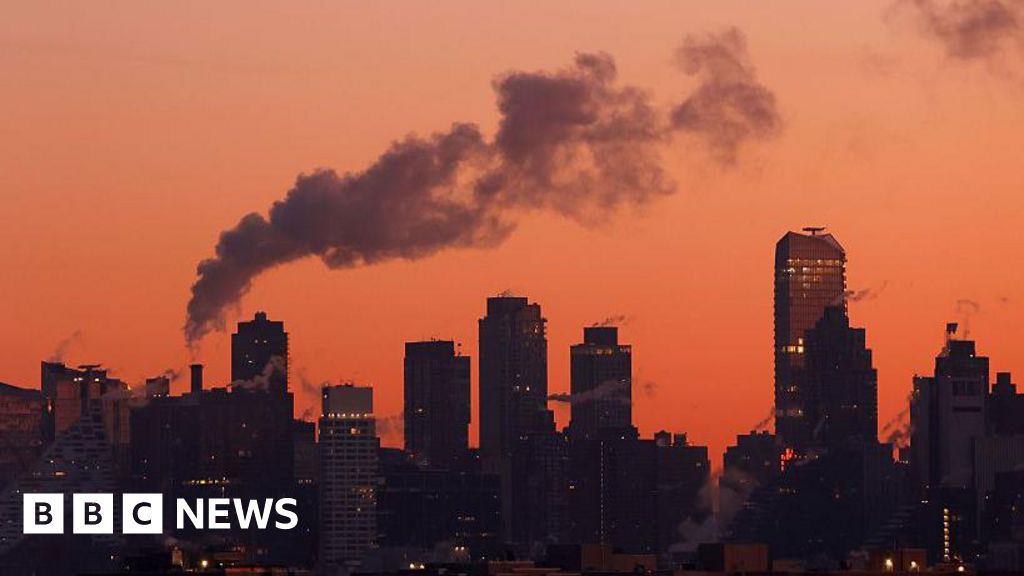
The Environmental Protection Agency, in response to the lawsuit, issued a statement describing the legal challenge as "clearly motivated by politics." The agency maintained that it "carefully considered and reevaluated the legal foundation of the 2009 Endangerment Finding." The EPA’s justification for the repeal centers on its assertion that the original finding "does not provide EPA statutory authority to prescribe motor vehicle emission standards for the purpose of addressing global climate change concerns." This argument suggests a reinterpretation of the Clean Air Act’s scope, aiming to narrow the agency’s power to regulate greenhouse gases, particularly concerning mobile sources, despite the Supreme Court’s earlier directives. This legal maneuvering underscores a fundamental disagreement over the extent of federal environmental regulatory power and the interpretation of existing environmental laws.
Beyond this specific repeal, the Trump administration’s actions are part of a broader pattern of deregulation and withdrawal from environmental commitments. During his first term, President Trump initiated the process of withdrawing the US from the Paris Climate Accord, a global agreement aimed at reducing greenhouse gas emissions. Following his return to office, he has once again affirmed this withdrawal, signaling a consistent rejection of international climate cooperation. His administration also rolled back stringent fuel economy standards for cars and light trucks, diluted protections for wetlands and waterways, and opened up vast tracts of public lands and offshore areas to oil and gas drilling and mining. These policies, collectively, represent a concerted effort to boost fossil fuel industries and reduce regulatory burdens on businesses, often at the expense of environmental protections.
Former President Barack Obama sharply rebuked Trump’s decision to repeal the endangerment finding, expressing his concern on social media. Obama warned that the move would leave Americans "less safe, less healthy and less able to fight climate change – all so the fossil fuel industry can make even more money." This statement highlights the perception among critics that the administration’s environmental policies are driven by industry interests rather than public welfare or scientific consensus. Democrats and environmental advocates consistently argue that these rollbacks not only exacerbate the climate crisis but also undermine the scientific integrity of federal agencies and erode America’s standing as a leader in global environmental efforts.
The legal battle over the endangerment finding is highly significant because it challenges a foundational element of US climate policy. Should the states and local governments succeed in their lawsuit, it could compel the EPA to reinstate the finding, thereby restoring the legal basis for future federal climate regulations. Such an outcome would reaffirm the judiciary’s role in overseeing executive actions and upholding environmental laws. Conversely, if the Trump administration prevails, it could severely curtail the federal government’s ability to address climate change through regulation, potentially shifting the burden more heavily onto individual states and localities to enact their own climate policies, leading to a fragmented and less effective national response. The outcome of this case will undoubtedly have far-reaching implications for environmental law, public health, and the ongoing national and international debate over climate action for years to come.



 Roy Suryo
 Nakalama John

 atisusanti