Nana Banana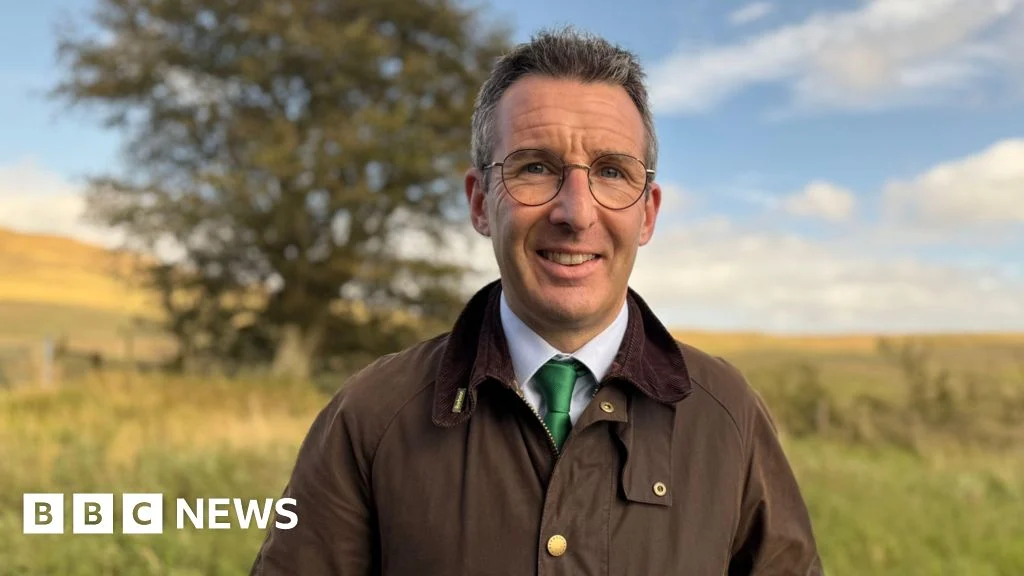
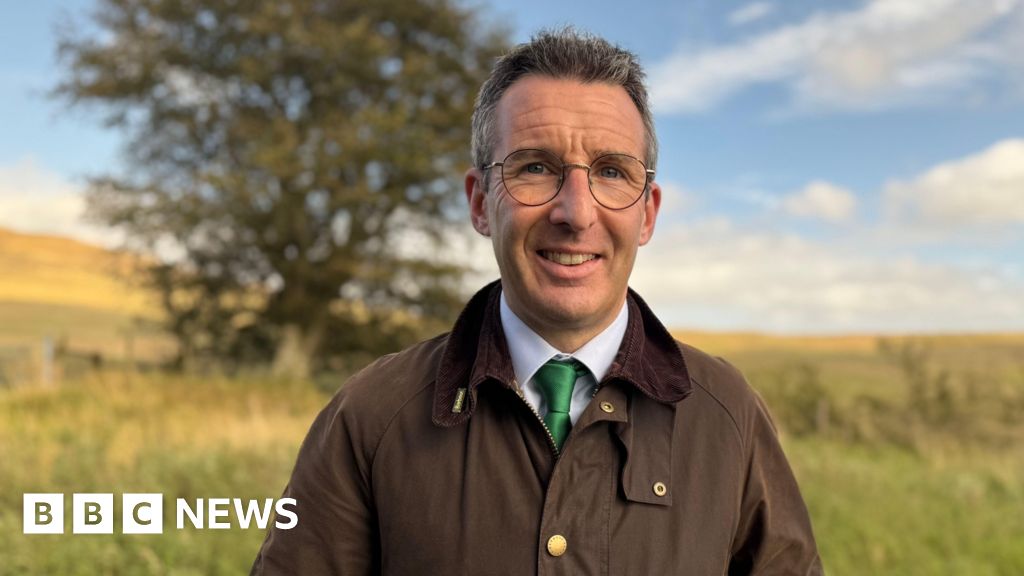
The approval of NICCAP3 marks a crucial step in Northern Ireland’s ongoing commitment to environmental stewardship and societal safeguarding. Andrew Muir, the Department of Agriculture, Environment and Rural Affairs (Daera) Minister, lauded the plan as a product of "positive collaboration" that brought together all government departments, signifying a unified approach to a pressing global challenge with profound local implications. This interdepartmental synergy is vital, as climate change impacts are inherently cross-cutting, affecting everything from public health to economic stability.
Understanding the distinction between climate change adaptation and mitigation is fundamental to appreciating NICCAP3’s purpose. Mitigation efforts focus on reducing or limiting greenhouse gas emissions, aiming to prevent further global warming. In contrast, adaptation involves taking proactive measures to adjust to the effects of climate change that are already being experienced, and to prepare for those that are projected to occur in the future. Given the irreversible changes already set in motion, adaptation is not merely an option but a critical necessity for survival and sustainability.
The mandate to produce such an adaptation plan stems from the UK’s pioneering Climate Change Act 2008, a landmark piece of legislation that established the world’s first legally-binding national framework for greenhouse gas reductions and adaptation planning. Under this act, Northern Ireland is obliged to periodically review and update its adaptation strategies. NICCAP3 represents the third iteration of this vital programme, with the first version having been published in 2014, each designed to cover a five-year period. This continuity underscores a long-term strategic commitment to addressing climate change challenges.
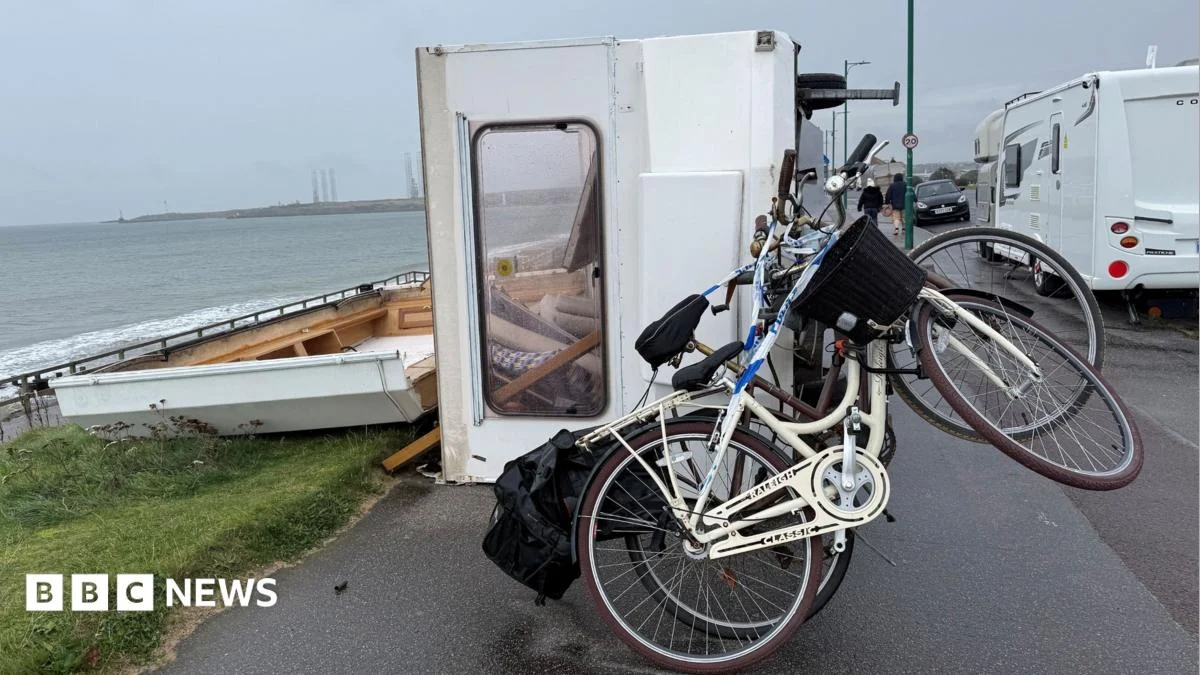
Minister Muir highlighted the stark reality of climate change impacts already felt across Northern Ireland. He noted that the region is "already experiencing firsthand the impacts of climate change through the frequent and severe storms we are witnessing and more frequent and extreme flooding events." These meteorological shifts are not merely inconveniences; they pose significant threats to homes, businesses, and public safety, often leading to considerable economic losses and social disruption. Furthermore, the changing climate has facilitated the arrival of "new climate sensitive animal diseases" and an increase in "more intense wildfires," both of which have devastating consequences for agriculture, biodiversity, and the environment at large. These impacts are a clear testament to the urgent need for robust adaptive strategies.
NICCAP3’s 280 actions are meticulously designed to address these multifaceted challenges. The programme involves a wide array of stakeholders, reflecting the broad societal reach of climate change. Public sector bodies such as Translink, responsible for public transport, and NI Water, managing essential water services, are integral to the plan, ensuring that critical infrastructure can withstand future climate shocks. Local councils are empowered to implement localised adaptation measures, while academia contributes vital research and expertise. The community and voluntary sectors play a crucial role in raising awareness and fostering grassroots resilience, and businesses are encouraged to integrate climate risk into their operations and innovate adaptive solutions.
Specific initiatives within NICCAP3 underscore its comprehensive nature. A new Peatlands Strategy aims to restore and preserve these vital carbon sinks, which also play a crucial role in water management and biodiversity. City draining plans for Londonderry and Belfast are designed to bolster urban resilience against increased rainfall and flooding, protecting urban populations and infrastructure. A Sustainable Agriculture Programme seeks to transform farming practices, making them more resilient to extreme weather and environmentally friendly. Concurrently, a new Food Strategy Framework will address food security in a changing climate, ensuring a stable and resilient food supply for the region.
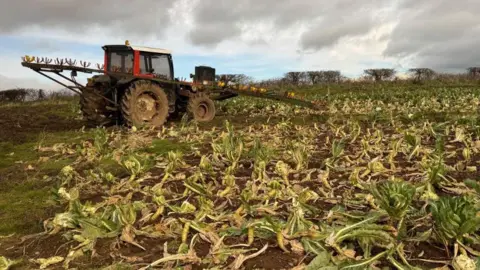
Farmers, who operate at the forefront of environmental shifts, are already grappling with and adapting to these changes. Stephen Murdoch, a dedicated vegetable farmer based in Comber, County Down, cultivating cauliflowers, broccoli, leeks, and Brussels sprouts, provides a vivid illustration of these challenges. He observes a profound shift in weather patterns, describing them as occurring in "10-week periods" of either "unseasonably wet or unseasonably dry." This unpredictability makes traditional farming calendars unreliable and forces constant adjustments.
Murdoch’s operations have been directly impacted. He typically aims to harvest around 200 crates of cauliflowers daily, but since Christmas, yields have plummeted to an average of 50 to 100 crates. The persistent rain has also complicated the harvesting of leeks; typically, a mechanical rig is used, but excessive dirt between the leaves due to wet conditions now necessitates manual harvesting, significantly increasing labour costs and disrupting planning. He laments the lack of financial support for vegetable growers facing crop losses, contrasting it with compensation schemes for livestock farmers, such as those affected by Bovine TB. This means that vegetable farmers like Murdoch must annually factor in potential losses, placing additional financial strain on their businesses.
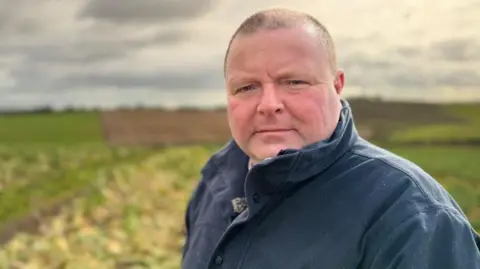
Further west, in County Fermanagh, Peter Gallagher, a farmer with over two decades of experience, manages a "marginal-type hill farm" spanning 150 acres near Boho. His farm is particularly vulnerable to environmental impacts like flooding. Gallagher corroborates the changing weather narrative, noting that "you cannot depend on the weather behaving as you would normally have expected it to be – it seems to be a lot wetter nearly all of the time and also a lot milder." This has led to unusual grass growth patterns, with grass appearing at times of the year it traditionally wouldn’t. However, this extra growth is often unusable because the ground becomes saturated at unpredictable intervals, making it impossible for cattle to graze without damaging the land.
In response, Gallagher has adopted a regenerative approach to grass-growing for his 70-strong suckler herd. This involves resting fields for up to two months between grazing periods, allowing the grass to grow longer. While this might result in lower quality grass, it significantly enhances ground resilience, reducing the impact of wet weather. He explains that "while it would be nice to grow lovely, high-powered green grass, if we get a really wet week or fortnight in the month of July, we’re really looking at housing cattle here and all that grass going to waste." This adaptive strategy allows him to minimise the risk of housing cattle prematurely and wasting valuable forage.
Hay meadows, crucial for both fodder and supporting pollinator populations, also face significant challenges. The unpredictable weather makes it exceedingly difficult to cut or "win" hay at the optimal time, typically mid-to-late July into August. "You can’t be sure that you’re going to have the weather to actually win it in good quality hay," Gallagher states, highlighting the precariousness of traditional farming methods. As a High Nature Value farm adviser for Ulster Wildlife, Gallagher advocates for policies that recognise the varied land quality across Northern Ireland, arguing that a "one size fits all" approach can exacerbate difficulties for farmers operating in diverse conditions.
The broader agricultural community echoes these concerns. John McLenaghan, deputy president of the Ulster Farmers’ Union, describes how the changing climate is "compressing" an already-busy seasonal schedule for farmers. Essential tasks like slurry spreading, ploughing, and seeding, which traditionally have distinct windows, are now overlapping due to unpredictable weather. This creates immense pressure, making farming increasingly difficult and stressful.
Despite these adversities, McLenaghan maintains an optimistic outlook for the sector. He stresses the need for "more efficient and more productive" agriculture to meet the demands of a growing global population. He believes in the inherent resilience and ingenuity of farmers, stating, "No matter what the adversity is, farmers remain optimistic and that’s important." McLenaghan confidently asserts that "we believe there is a real boom time ahead for agriculture and for farming," positioning Northern Ireland with "the potential to be at the centre of that." This forward-looking perspective, combined with the comprehensive actions outlined in NICCAP3, suggests a determined effort to navigate the complexities of climate change and forge a more resilient future for Northern Ireland. The success of this updated plan will hinge on sustained collaboration, innovative solutions, and unwavering support for those on the front lines of climate adaptation.

 George Anjay
 Nakalama John
 atisusanti
 Ramos Leo