Nana Banana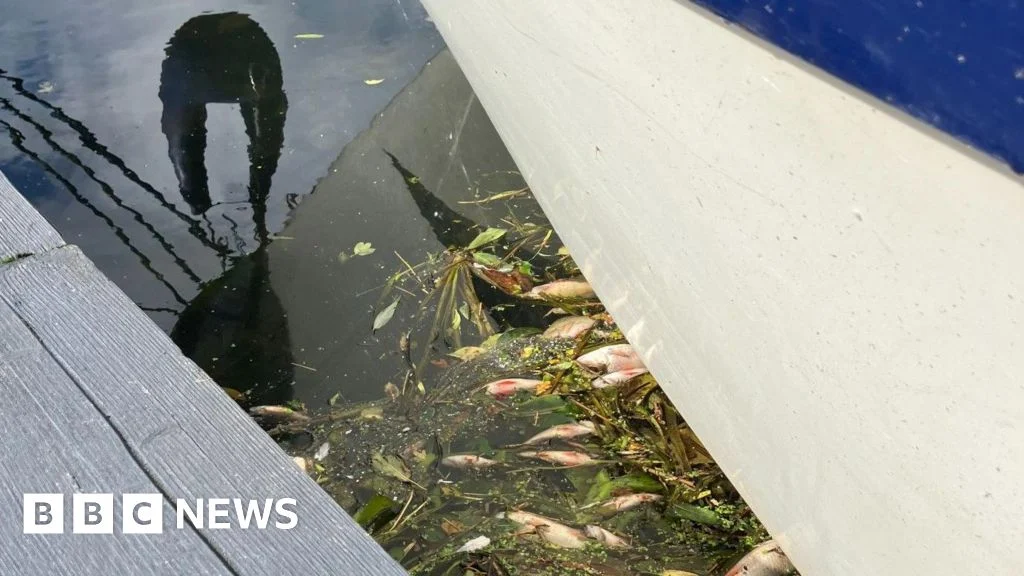
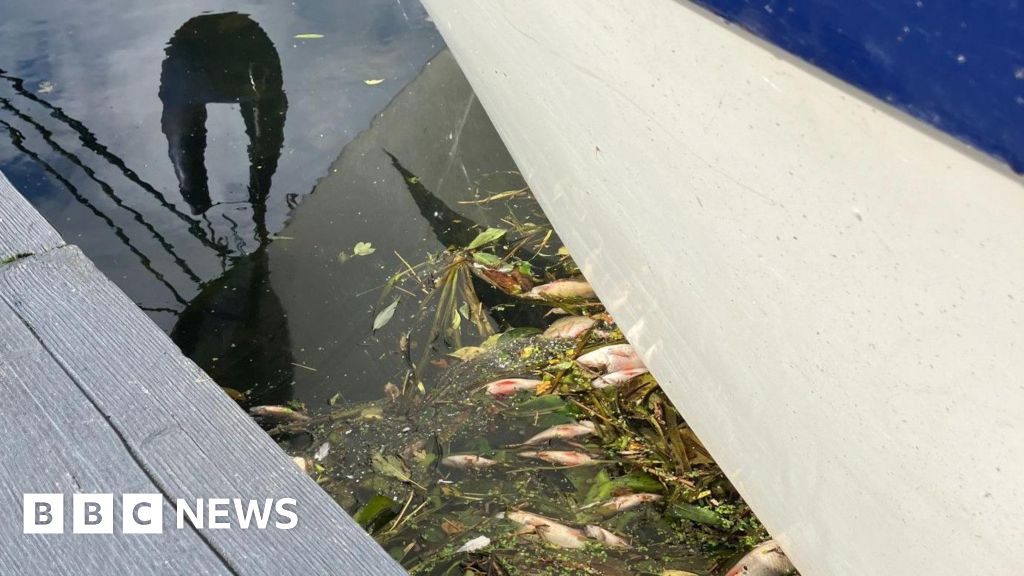
The severity of the environmental disaster was not understated by regulatory bodies. The Environment Agency (EA) swiftly classified the event as a "category one" incident, the highest possible designation, indicating a "major effect" on either water quality, human health, conservation, or businesses. This classification underscores the profound and widespread damage inflicted upon the local ecosystem and potentially the community itself. Initial investigations by the EA pointed directly to Anglian Water as the source, revealing that a pumping station under their responsibility had discharged effluent for an alarming 23 hours due to a pump failure. The subsequent analysis confirmed elevated levels of ammonia and critically low levels of oxygen in the dyke, conditions lethal to fish and other aquatic life.
For the residents of Kings Delph, the incident was more than just an environmental statistic; it was a deeply upsetting assault on their local environment and quality of life. Accounts from those living alongside the affected waterway painted a picture of anger, frustration, and a profound sense of sickness at the scale of the devastation. The dyke, often a vibrant part of the local landscape, became a scene of ecological tragedy, its waters tainted and its aquatic inhabitants decimated. The immediate impact of the pollution was stark, but concerns quickly mounted about the long-term ecological recovery and the accountability of those responsible.
It is against this backdrop that Steve Barclay, the Member of Parliament for North East Cambridgeshire, brought the matter to the floor of Parliament. Leveraging his considerable experience as a former Environment Secretary, a role that gave him direct insight into the intricacies of environmental regulation and enforcement, Barclay posed a pointed question to the Water Minister, Emma Hardy. His query was direct and unambiguous: "Why no prosecution has been made?" He pressed for a detailed explanation, reflecting not just the concerns of his constituents but also a broader national anxiety about the enforcement of environmental laws against powerful utility companies.
Water Minister Emma Hardy, in response to Barclay’s parliamentary intervention, acknowledged the gravity of the situation and committed to personally investigate the matter. She assured the MP that she was "happy to look into that" and would provide a written response. While this ministerial pledge offers a glimmer of hope for accountability, it also highlights the protracted nature of such investigations and the often-slow pace of justice when environmental damage is involved. The commitment to a written response suggests a deeper dive into the specifics of the EA’s findings, Anglian Water’s actions, and the legal considerations that have thus far prevented a prosecution.
Anglian Water, as the utility company responsible for the pumping station and the subsequent discharge, carries a significant burden of responsibility. Water companies in the UK operate under strict environmental permits and are legally obligated to prevent pollution incidents. A pump failure leading to a 23-hour discharge of pollutants into a sensitive waterway represents a significant breach of these duties. Such incidents not only cause immediate ecological harm but also erode public trust in the companies entrusted with managing vital public services and protecting the natural environment. While Anglian Water has been contacted for comment, the incident adds to a growing national narrative of concerns over water company performance, particularly regarding sewage discharges and infrastructure resilience.
The Environment Agency’s role in this saga is pivotal. As the principal environmental regulator for England, the EA is tasked with monitoring water quality, investigating pollution incidents, and taking enforcement action where necessary. Their classification of the incident as "category one" indicates a clear understanding of its severity. The EA’s findings of elevated ammonia and low oxygen levels provide crucial evidence of the environmental harm. However, the path from investigation to prosecution is often complex. For a successful prosecution, the EA must gather sufficient evidence to prove beyond reasonable doubt that an offence has occurred, that Anglian Water was responsible, and that the incident falls within the scope of environmental legislation that allows for criminal proceedings. Factors such as the company’s prior record, the intent behind the incident (or lack thereof), and the effectiveness of their response and mitigation efforts can all influence the decision to prosecute.
The environmental fallout from such an event extends far beyond the immediate death of fish. Ammonia is highly toxic to aquatic life, damaging gills and preventing oxygen uptake, while oxygen depletion suffocates organisms. The disruption to the food chain can be profound, affecting insects, invertebrates, birds, and mammals that rely on the dyke’s ecosystem. Recovery can take years, even decades, for a heavily impacted waterway to regain its former ecological balance. The loss of biodiversity, the destruction of habitats, and the lingering presence of pollutants can leave a lasting scar on the natural heritage of the Whittlesey area. This incident serves as a stark reminder of the delicate balance of aquatic ecosystems and the devastating consequences of industrial negligence or infrastructure failure.
Public sentiment surrounding water pollution incidents has reached a critical point across the UK. With widespread reports of sewage discharges and other environmental infractions by water companies, there is a palpable sense of frustration and a demand for greater accountability. The Whittlesey incident, therefore, resonates with a national outcry for stricter enforcement, higher fines, and a more proactive approach from regulators. Residents are not merely seeking an apology; they are seeking justice and assurance that such incidents will not recur. The lack of a prosecution, especially for a "category one" event, risks undermining public confidence in the regulatory system and sending a message that severe environmental damage may go unpunished.
The legal framework for environmental offences in the UK is robust, but the application of these laws can be challenging. Prosecutions require significant resources, time, and expert evidence. Even when successful, the fines imposed, while sometimes substantial, are often viewed by critics as insufficient to deter large corporations. There is a continuous debate about whether the current penalties truly reflect the gravity of the environmental damage inflicted and whether they act as an effective deterrent. Steve Barclay’s question in Parliament taps into this broader discussion, pushing for transparency on why, despite the clear evidence of a major pollution event, the legal process has not yet led to formal charges.
Looking ahead, the commitment from Water Minister Emma Hardy to investigate the matter offers some hope for resolution. Her inquiry will likely delve into the specifics of the EA’s investigative findings, Anglian Water’s internal processes leading to the pump failure, and the legal advice surrounding the potential for prosecution. Beyond this specific incident, the wider implications are clear: there is an urgent need for water companies to invest more robustly in their infrastructure, implement advanced monitoring systems, and develop more effective contingency plans to prevent such catastrophic failures. Equally, the Environment Agency must be empowered and resourced to carry out its enforcement duties swiftly and decisively, ensuring that environmental protection is prioritised and that those who cause significant harm are held fully accountable.
The Whittlesey dead fish incident is more than just a local tragedy; it is a microcosm of the larger environmental challenges facing the UK’s waterways. Steve Barclay’s persistent questioning serves as a vital reminder that parliamentary scrutiny and public pressure are essential tools in demanding accountability and driving change. As the community awaits answers, the call for prosecution echoes not just through the halls of Westminster but across the polluted waters of Kings Delph, demanding justice for a vibrant ecosystem tragically lost. The outcome of this inquiry will set a precedent for how seriously the government and its agencies treat major environmental infractions and whether the polluter will truly pay for the damage caused.


 George Anjay
 Nakalama John
 atisusanti
 Ramos Leo