
 Roy Suryo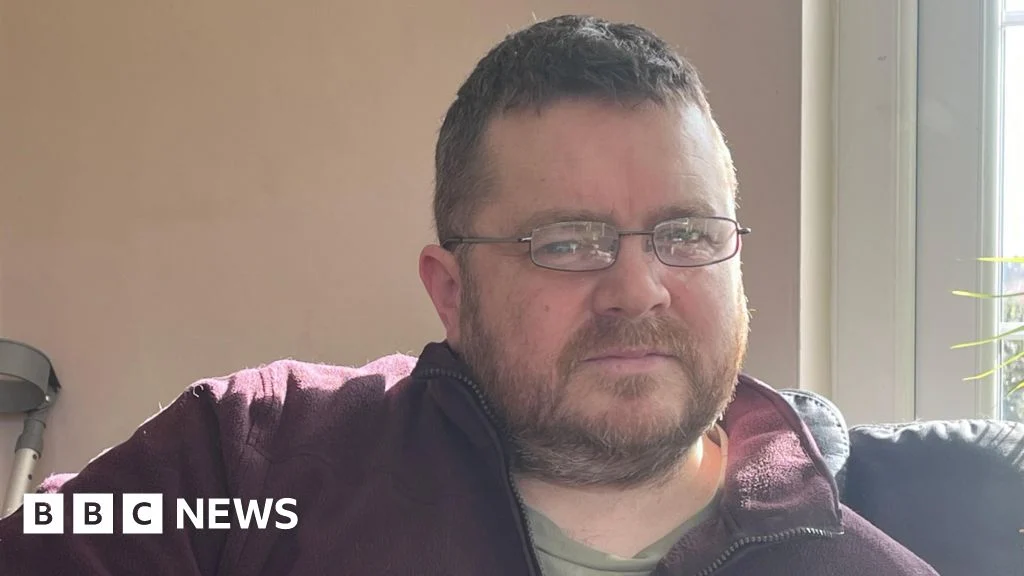
A devastating and swift descent into a life-threatening illness left Mark McNamee, a 48-year-old engineer from Omagh, County Tyrone, in an induced coma for six days and fighting for his life in intensive care for two weeks. What began as a seemingly innocuous sore ear and a mild fever in January 2026 rapidly escalated into bacterial meningitis, a disease that has profoundly impacted his life and serves as a stark warning about its aggressive nature, even in adults. "It’s mind-blowing how it just happened," Mark shared, still grappling with the speed and severity of his illness. "I was very grateful to be alive, but you know from doing the things that you normally do you just can’t do them now. It’s just mad how quick it just came on."
Mark’s wife, Ellen, recounted the harrowing experience with palpable emotion. "When I look back now and realise how severe things were, I think at the time I was on autopilot," she said, her voice trembling. "The first three days I was just living in a nightmare because part of me was thinking I was going to be having to rear my children on my own." The rapid deterioration of her husband’s health was terrifying, especially when she learned the aggressive strain of meningitis he had contracted was the most severe.
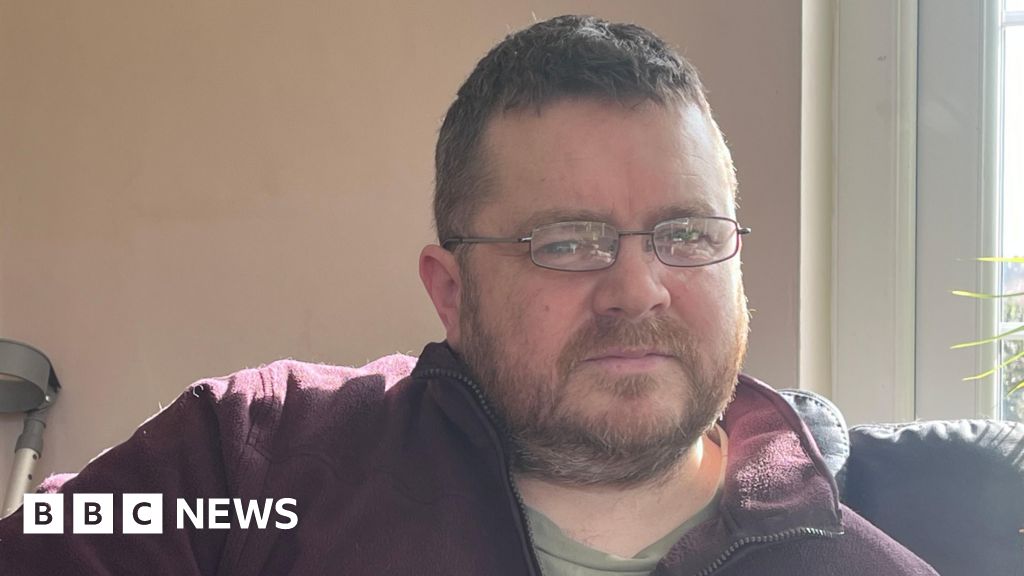
The initial symptoms were deceptively mild. Mark went to bed with a sore ear and a fever, a common ailment that many would not associate with such a grave condition. By the time he was blue-lighted by ambulance to the South West Acute Hospital (Swah) in Enniskillen, County Fermanagh, his condition had worsened dramatically. Ellen initially suspected sepsis, admitting, "meningitis never once came into my head." It was a CT scan revealing inflammation of the brain that prompted further investigation, leading to the shocking diagnosis of bacterial meningitis.
"People said to me, ‘But only children get that,’ and I thought that too," Ellen recalled, expressing the widespread misconception about who can contract the disease. "I’ve never heard of an adult getting bacterial meningitis." This perception, coupled with the absence of a tell-tale rash, a symptom commonly associated with meningitis, initially masked the severity of Mark’s illness. Ellen stressed the crucial point that "a rash doesn’t always appear," a vital piece of information that could save lives if widely understood. While doctors diligently checked Mark for a rash daily, it never materialized, highlighting the variability of the disease’s presentation.
Beyond the initial earache and fever, Mark’s symptoms progressed to include severe headaches, dizziness, vomiting, and confusion. Crucially, he also developed encephalitis, inflammation of the brain, a dangerous secondary complication of the meningitis. This dual assault on his neurological system meant his fight for survival was even more perilous. "It was very scary because I know how fatal meningitis can be," Mark admitted, his voice laced with the memory of his ordeal. "But the fact that it had only started with a sore ear I just couldn’t believe it."

The uncertainty surrounding Mark’s condition was a constant source of anxiety for Ellen and their family. "We didn’t know if Mark was going to come out of it at all," she confessed. "While he was in the coma we just were taking it day by day." The medical team had cautioned that the extent of any potential brain damage would only become clear once Mark awoke from his induced coma, a process that proved agonizingly slow.
When Mark finally emerged from the coma, his recovery was not the immediate return to consciousness they had hoped for. "I remember leaving hospital that day just so deflated because I just didn’t know how Mark was going to be because at that stage he was just lying awake, he wasn’t moving, he wasn’t moving his arms, his hands," Ellen described, her voice heavy with the memory. "He wasn’t nodding. He wasn’t talking. He was doing nothing, just looking. And the staff were worried about that as well." The initial days post-coma were akin to dealing with someone suffering from severe Alzheimer’s, a deeply frightening prospect for his loved ones. "It was very scary. It was just a matter of taking every day as it came just. I’ve never prayed so hard in all my life," Ellen revealed.
Despite the immense challenges, Mark’s resilience and the dedicated care he received at Swah ultimately saw him pull through. However, the battle with bacterial meningitis has left lasting consequences. His memory, eyesight, balance, and sleep patterns have been significantly affected, causing him considerable frustration. He continues to experience severe headaches and has heightened sensitivity in his hearing.
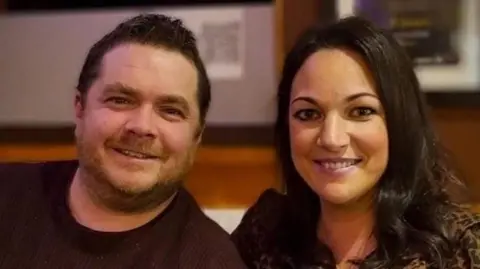
Mark, an engineer by profession, harbours a strong desire to return to work, but the long-term effects of the illness mean this remains uncertain. "I’m just trying to keep positive because I do like to be out and about and being with people," he stated, his determination evident. "I like my job, but I just have to take it day by day to see what happens."
The impact on the family has been profound, extending beyond Mark’s physical recovery. "What happened to Mark has had a big impact on our family, mentally and just in every way," Ellen shared. Mark’s anxiety has significantly heightened, particularly concerning his children’s health, a testament to the lingering psychological toll of his near-fatal experience.
The urgency of the threat posed by meningitis was underscored by a recent public health alert. The UK Health Security Agency investigated 20 suspected cases, with two individuals tragically losing their lives, prompting an urgent call for healthcare workers to be vigilant for signs of infection. This alarming rise in cases, including outbreaks in England, has added another layer of concern for Mark and his family, serving as a stark reminder of the devastating potential of this insidious disease. Mark’s journey, from a simple sore ear to a life-altering coma, is a powerful testament to the unpredictable and aggressive nature of bacterial meningitis and the vital importance of recognizing its varied symptoms, even when the classic rash is absent. He stands as a survivor, a beacon of hope, and a crucial voice in raising awareness about a disease that can strike anyone, anywhere, at any time.




 Nakalama John
 atisusanti
 Ramos Leo
