Nana Banana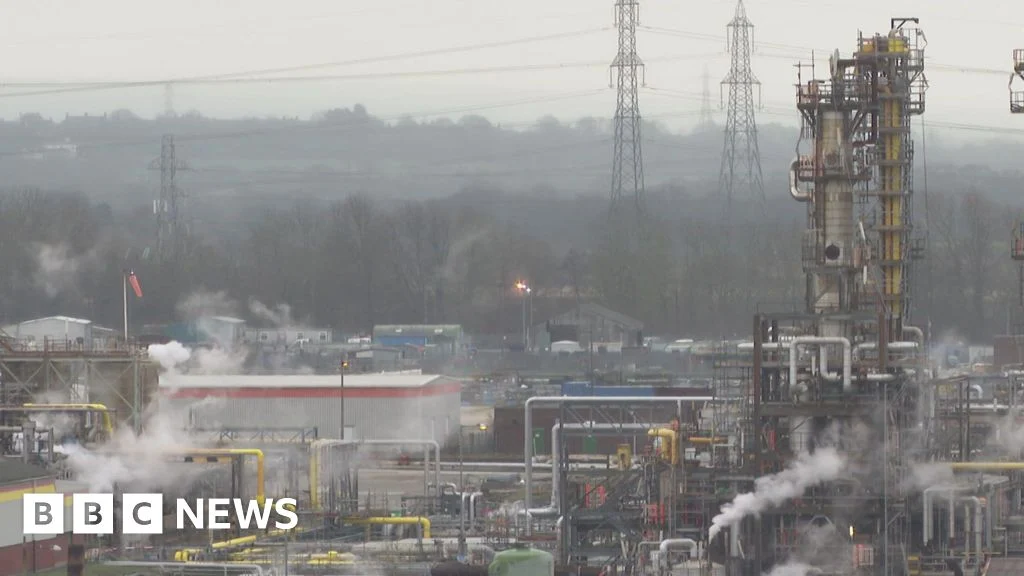
One of the United Kingdom’s most strategically vital oil refineries, Stanlow, located in Ellesmere Port, Cheshire, has admitted to a staggering 491 breaches of environmental regulations between 2018 and 2020. This alarming revelation comes as Essar Oil UK, the company operating the facility, pleaded guilty to 12 charges brought by the Environment Agency, highlighting significant failures in its wastewater management protocols. The breaches include critical instances of discharging higher-than-permitted levels of cyanide into sensitive local waterways, specifically the Manchester Ship Canal, a nearby river, and a local brook, raising serious concerns about environmental protection and corporate accountability.
The gravity of the situation is underscored by the sheer volume of infractions. While 12 specific charges were formally laid by the Environment Agency, Essar’s admission encompasses nearly 500 individual breaches over a four-year period. Among these, the four instances of cyanide discharge are particularly concerning. Cyanide is a highly toxic substance, even in small concentrations, posing a severe threat to aquatic ecosystems. Its presence can be lethal to fish, invertebrates, and other wildlife, disrupting the delicate balance of riverine habitats. The Manchester Ship Canal, a bustling artery for trade and industry, as well as the connecting natural waterways, are vital for local biodiversity and recreational use. The potential for long-term ecological damage from such persistent pollution events, even if immediate contamination reports were not made, is a significant worry for environmentalists and local communities alike.
The Stanlow refinery is an industrial behemoth with a rich history, tracing its origins back to Shell in 1924 before being acquired by Essar Energy in 2011. It is one of the largest oil refineries in the UK, processing approximately 200,000 barrels of crude oil per day and playing a critical role in supplying roughly 16% of the UK’s road transport fuels, including petrol, diesel, and aviation fuel. Beyond fuel, it also produces a range of petrochemical feedstocks essential for various industries. Its operations are complex, involving numerous processes that generate vast quantities of wastewater, which must be treated rigorously before discharge to meet stringent environmental standards. The scale of the breaches suggests a systemic issue in the refinery’s environmental management systems rather than isolated incidents.
Essar Oil UK, part of the multinational Essar Group, acknowledged the breaches and issued an apology, stating that the company "takes its responsibilities for wastewater management extremely seriously." The company further claimed to have "taken steps to address the causes of these breaches." However, the sheer number of violations casts a shadow over the efficacy of their previous environmental safeguards and management oversight. While the company asserted there were "no reports of environmental contamination, or impact on wildlife during the time of these breaches," this statement warrants closer scrutiny. The absence of immediate reports does not definitively equate to an absence of harm, especially for persistent or chronic low-level pollution that can have cumulative effects or be challenging to detect without continuous, comprehensive monitoring. Environmental damage can often be subtle, manifesting over time through reduced biodiversity, changes in species composition, or subtle physiological stress on organisms, making it difficult to attribute directly to specific past discharge events without extensive scientific study.
The Environment Agency, the principal environmental regulator for England, plays a crucial role in safeguarding the nation’s natural resources. Its mandate includes regulating large industrial sites to ensure compliance with environmental permits, investigating pollution incidents, and taking enforcement action where necessary. The decision to prosecute Essar Oil UK signifies that the breaches were considered serious enough to warrant legal intervention, moving beyond administrative warnings or improvement notices. The Agency’s investigations would have involved detailed analysis of discharge monitoring data, site inspections, and potentially sampling of waterways to build a robust case. The 12 charges brought before the courts represent the most egregious or legally prosecutable aspects of the 491 breaches identified, highlighting the regulator’s commitment to holding polluters accountable.
The legal proceedings began at Chester Magistrates’ Court, where Essar pleaded guilty to the charges. The case has now been adjourned to Warrington Magistrates’ Court on 14 July for case management, a crucial stage where the court will prepare for sentencing. In such environmental cases, sentencing can involve substantial financial penalties, remedial orders requiring the company to undertake specific environmental improvements, and payment of the Environment Agency’s costs. The level of the fine will be determined by various factors, including the culpability of the company, the actual or potential harm caused to the environment, any previous environmental convictions, and the extent to which the company cooperated with the investigation and has taken steps to rectify the issues. For a company of Essar’s size, fines can run into millions of pounds, reflecting the seriousness of environmental offences and acting as a deterrent to others.
This incident at Stanlow underscores the ongoing challenges of balancing industrial operations with stringent environmental protection in a densely populated and ecologically sensitive region. Large-scale industrial facilities like oil refineries are inherently complex and carry significant environmental risks. Robust internal management systems, continuous investment in modern pollution control technology, and a proactive approach to environmental compliance are paramount. The "historic breaches" phrase used by Essar, while attempting to frame the issues as past problems, raises questions about the long-term effectiveness of their environmental governance and the diligence of their monitoring processes during the 2018-2020 period.
Local residents and environmental groups will undoubtedly be watching the outcome of these legal proceedings closely. Public trust in industrial operators to manage their environmental impact responsibly is vital, and repeated breaches can erode this trust, leading to calls for increased oversight, stricter penalties, and greater transparency. Environmental NGOs often highlight that penalties for corporate environmental crime in the UK, while significant, sometimes do not fully reflect the scale of the damage or adequately deter large corporations. This case serves as a stark reminder of the critical importance of effective environmental regulation and the potential consequences when industrial operators fall short of their legal and ethical obligations to protect the planet.
Looking ahead, the sentencing will send a clear message regarding the judiciary’s stance on environmental compliance for major industrial players. Beyond the legal ramifications, Essar Oil UK will face increased scrutiny from regulators, investors, and the public. The company will need to demonstrate unequivocally that the "steps to address the causes" of these breaches have resulted in sustained and verifiable improvements in environmental performance, ensuring such widespread violations do not recur. This incident highlights the continuous tension between economic activity and environmental stewardship, a balance that requires constant vigilance, accountability, and a commitment to best practices from all industrial stakeholders.



 George Anjay
 Nakalama John
 atisusanti
 Ramos Leo