George Anjay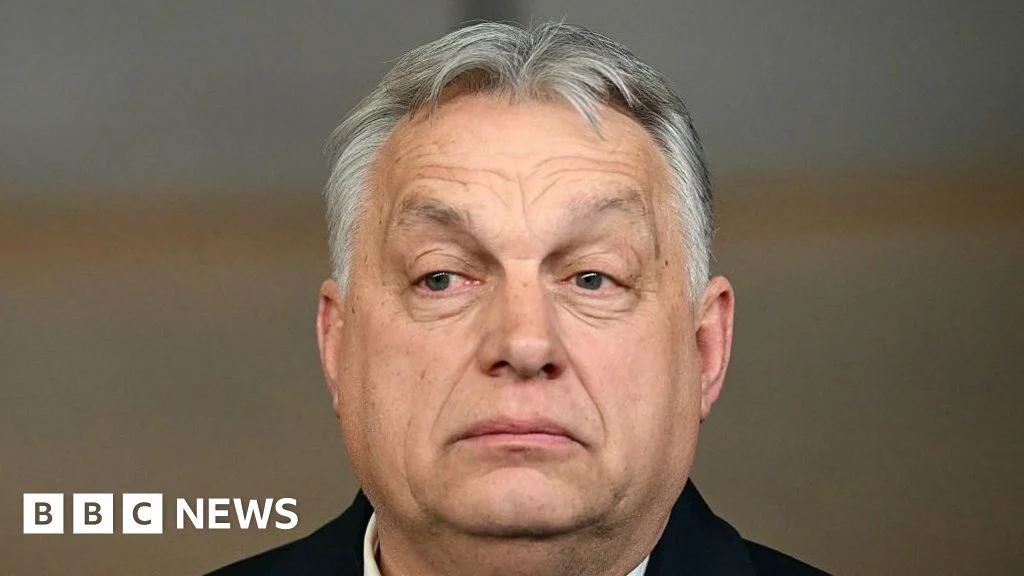
European Union leaders have leveled sharp accusations of disloyalty and blackmail against Hungarian Prime Minister Viktor Orbán after he vetoed a crucial €90 billion (£77 billion) loan package for Ukraine. The dramatic showdown at a Brussels summit saw Orbán defiantly block the vital financial lifeline, citing a protracted dispute over a damaged oil pipeline that transports Russian crude to Hungary. His intransigent stance has plunged EU-Ukraine relations into further turmoil, drawing widespread condemnation from his European counterparts.
"No oil = no money," Orbán declared on the social media platform X following the protracted summit, underscoring his ultimatum. His refusal to budge on the loan, which had been previously agreed upon, has ignited a firestorm of criticism. German Chancellor Friedrich Merz did not mince words, describing Orbán’s actions as "a gross act of disloyalty." Similarly, European Council President António Costa characterized the Hungarian Prime Minister’s tactics as "tantamount to blackmail," highlighting the severity of the diplomatic breach.
Orbán, who has cultivated unusually close ties with Russia since its full-scale invasion of Ukraine in February 2022, has consistently made opposition to Ukraine a central tenet of his political messaging. With key Hungarian elections looming on April 12th, his confrontational approach towards Kyiv appears to be a calculated political gambit to energize his base. Hungary’s significant reliance on Russian energy supplies forms the crux of Orbán’s current leverage. He has accused Ukraine of exacerbating these energy vulnerabilities by allegedly failing to adequately repair the Soviet-era Druzhba pipeline, a critical artery for Russian oil transit to Hungary and Slovakia through Ukrainian territory.
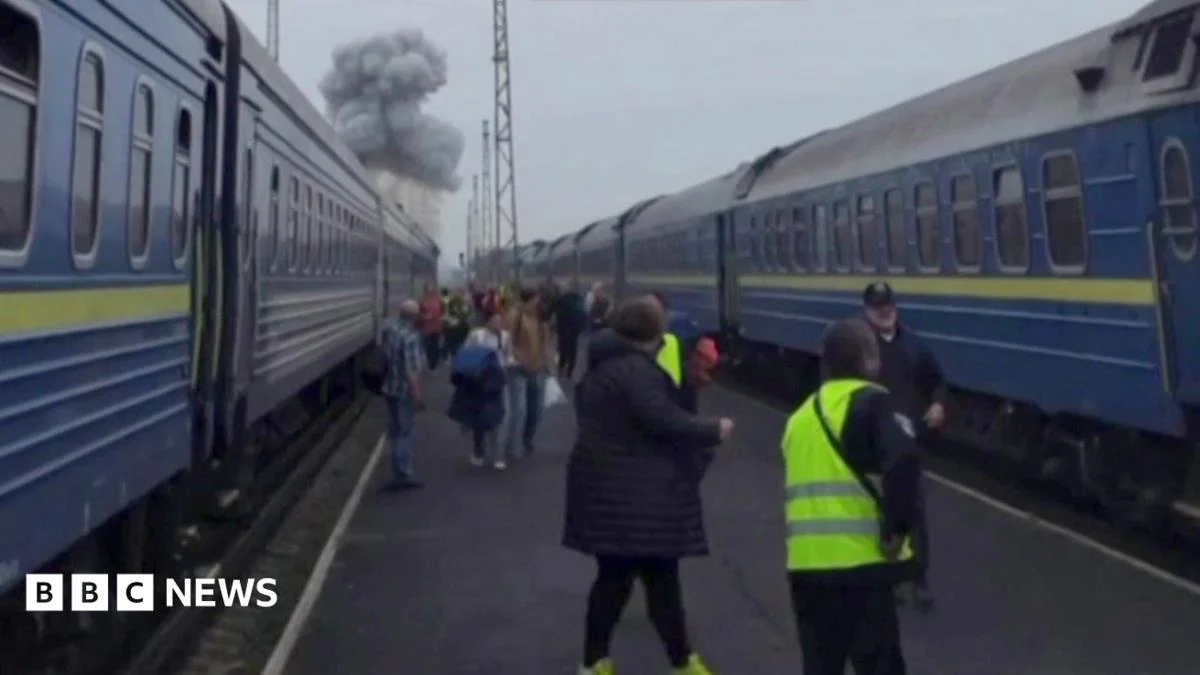
Kyiv, however, refutes Hungary’s narrative. Ukrainian officials maintain that the pipeline sustained damage in January due to Russian aerial bombardments. They assert that repairs will require several weeks to complete. Furthermore, Ukraine argues that restoring the flow of Russian oil through the damaged pipeline would be tantamount to circumventing existing sanctions imposed on Moscow. Despite this, Orbán has chosen to withhold EU funds to Ukraine, even after the bloc had initially approved the financial assistance.
The marathon summit, which extended late into the night, concluded with a palpable sense of exasperation among many EU leaders. Germany’s Merz, speaking to reporters in the early hours of Friday, conveyed the deep-seated anger felt by many veteran European Council members. "Colleagues who have been members of the European Council far longer than I have were deeply angered by what happened today," he stated, emphasizing the profound impact of Orbán’s obstructionism. "It is a gross act of disloyalty within the European Union," Merz continued, expressing his firm conviction that this incident "will leave deep marks."
French President Emmanuel Macron echoed the sentiment of shock, labeling the meeting’s outcome as "unprecedented." He stressed the urgent need for the loan’s release to be "implemented without delay." The Council President, Costa, further amplified the chorus of disapproval, deeming Hungary’s behavior "completely unacceptable." His forceful statement, "Nobody can blackmail the European institutions," underscored the perceived abuse of power by Budapest.
Despite the overwhelming pressure, Orbán remained unyielding in his position. "It was a tough debate, but we stood our ground," he proclaimed on X. "We have the right to say ‘no’ to the Ukrainian war loan. As long as @ZelenskyyUa does not lift the oil blockade, they will not receive any money from Brussels." This public declaration solidified his confrontational stance and highlighted the personal nature of his dispute with Ukrainian President Volodymyr Zelenskyy.
Adding another layer of complexity to the situation, Slovakia’s Prime Minister Robert Fico, another leader with known ties to Russian President Vladimir Putin, also refused to endorse the summit’s conclusions. This dual obstructionism by Fico and Orbán effectively stalled the unanimous agreement required to release the funds. While the summit’s conclusions acknowledged the intent to release the funds, the actual disbursement has been deferred to the leaders’ next meeting, creating further uncertainty for Kyiv.
Undeterred by the political deadlock, European Commission President Ursula von der Leyen expressed her unwavering commitment to ensuring the loan’s delivery. She vowed that the funds would be provided "one way or the other," signaling the Commission’s determination to find alternative avenues if necessary. President Macron, equally resolute, declared that there would be "no plan B" for the financial assistance, emphasizing that "plan A must be implemented."
Prior to the summit, Ukrainian President Volodymyr Zelenskyy had made a direct appeal to EU leaders for the swift release of the financial aid. Addressing the leaders during the summit, he highlighted the critical nature of the €90 billion support package, stating, "For the third month now, the most important financial security guarantee for Ukraine from Europe is not working." He underscored the dire implications of the delay, asserting, "This is critical for us. It is a resource to protect lives."
This is not the first time Orbán has employed obstructive tactics to impede EU support for Ukraine. He has a track record of delaying EU aid packages and successive rounds of sanctions against Russia. The timing of his current veto is particularly sensitive, occurring just weeks before Hungary’s national elections. Opinion polls suggest that Orbán’s Fidesz party is currently trailing their main political rivals, making his hardline stance on Ukraine a potentially divisive but also galvanizing issue for his supporters. The ongoing diplomatic wrangling over the Ukraine loan package not only highlights the deep divisions within the European Union regarding its approach to the war but also underscores the significant leverage that individual member states can wield through the bloc’s consensus-based decision-making processes. The implications of this veto extend beyond immediate financial aid, potentially impacting the broader geopolitical landscape and the unity of the EU in confronting Russian aggression.

 Nakalama John
 Ramos Leo
 Nana Banana