
 Ramos Leo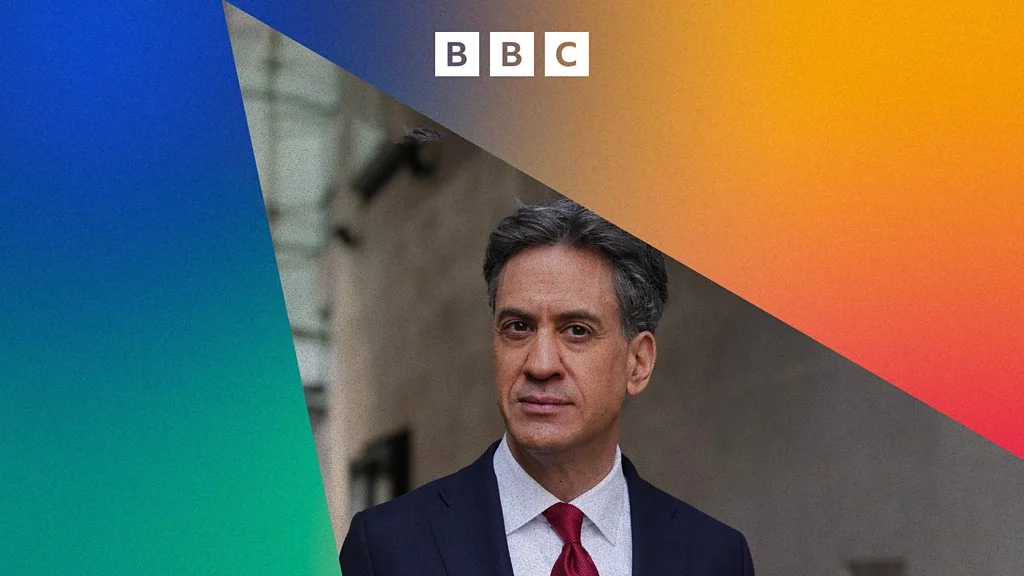
Born in 1969, Edward Samuel Miliband’s formative years in London’s leafy Primrose Hill were steeped in a rich, intellectual, and politically charged atmosphere. His father, Ralph Miliband, was a towering figure in Marxist academic thought, a renowned political theorist whose critical analyses profoundly influenced generations of left-wing thinkers. His mother, Marion Kozak, a dedicated human rights activist, instilled a deep commitment to social justice and ethical governance. This unique parentage ensured that Miliband’s early life was not merely political by proximity, but fundamentally shaped by robust intellectual debate, a critical understanding of societal structures, and an unwavering belief in progressive change. Discussions around the dinner table likely spanned philosophy, economics, and international relations, fostering an analytical mind and a strong sense of purpose from a young age.
Following his attendance at a local state school in North London, Haverstock School, which provided a grounding in diverse social realities, Miliband embarked on an academic path mirroring that of his older brother, David. Both pursued Philosophy, Politics, and Economics (PPE) at Oxford University, a degree often seen as a prerequisite for a career in British politics. Ed matriculated at Corpus Christi College, where he continued to hone his analytical skills and engage with political theory. This academic foundation, coupled with his home environment, equipped him with a profound understanding of policy and an intellectual rigour that would become a hallmark of his political career.
Upon graduating, Ed Miliband, like his brother, gravitated towards the Labour Party, embarking on a rapid ascent through its ranks. His early career saw him serve as a trusted advisor, most notably to then-Chancellor of the Exchequer, Gordon Brown. In this capacity, he gained invaluable experience in economic policy, governmental operations, and the intricate workings of the Treasury, absorbing lessons from one of the most formidable political minds of his generation. This period was crucial for his development, transitioning from academic theory to practical policy implementation, and building a network within the party that would prove vital later on.
His parliamentary career began in 2005 when he was elected Member of Parliament for Doncaster North, a safe Labour seat. His intellect and policy acumen quickly became apparent, leading to swift promotion within Gordon Brown’s government. He served in various ministerial roles, including Minister for the Cabinet Office and later as Secretary of State for Energy and Climate Change. In the latter position, Miliband played a significant role in establishing the UK’s pioneering Climate Change Act 2008, a landmark piece of legislation that set legally binding targets for emissions reductions. This experience laid the groundwork for his eventual return to the energy portfolio, demonstrating his long-standing commitment to environmental policy and energy security.
The political landscape shifted dramatically in 2010 following Labour’s defeat in the general election and Gordon Brown’s resignation as party leader. What followed was a truly historic and intensely scrutinised leadership contest, pitting brother against brother – Ed Miliband against the perceived frontrunner, David Miliband. The contest captivated the nation, playing out in front of an unprecedented media glare, with narratives of sibling rivalry dominating headlines. David, often seen as the heir apparent and more aligned with the ‘New Labour’ legacy, faced off against Ed, who positioned himself as representing a generational change and a more distinct break from the past. The campaign was hard-fought, marked by numerous debates and policy discussions. Ultimately, in a surprise upset, Ed Miliband "pipped David at the post," securing the leadership with crucial backing from trade unions, narrowly defeating his elder brother in the final round of the electoral college. This victory, while cementing his rise, also cast a long shadow, creating enduring speculation about the personal and political ramifications for the Miliband family.
Assuming the leadership of the Labour Party in 2010, Miliband faced the daunting task of rebuilding a party that had just suffered a significant electoral defeat and was navigating the challenges of opposition during a period of austerity under the Conservative-Liberal Democrat coalition government. His leadership was characterised by a shift towards a "One Nation Labour" agenda, aiming to reconnect the party with working families and address issues of inequality and corporate power. He championed policies such as an energy price freeze, an increase in the minimum wage, and a "mansion tax" on high-value properties, attempting to carve out a clear distinction from the governing parties. However, Miliband’s leadership was often hampered by an unflattering media portrayal, with moments like his widely publicised struggle with a bacon sandwich becoming symbolic of a perceived awkwardness. Despite his intellectual depth and policy conviction, he struggled to consistently cut through with the wider electorate, often battling against a narrative that questioned his strength and leadership capabilities.
The culmination of his leadership came in the 2015 General Election. Miliband campaigned vigorously, focusing on the cost of living crisis and the future of the NHS. However, against poll predictions, Labour suffered a worse-than-expected defeat, with the Conservatives securing an unexpected overall majority. The outcome led to Ed Miliband’s immediate resignation as Labour leader, a decision delivered with characteristic dignity and self-awareness. He stepped away from the immediate glare of front-line politics, allowing the party to embark on a new chapter.
In the years following his leadership, Miliband remained a diligent Member of Parliament for Doncaster North, but his public profile diversified significantly. He became a prominent media personality in a different guise, co-hosting the highly successful podcast "Reasons to be Cheerful" with Geoff Lloyd. This platform allowed him to engage with policy and politics in a more informal, in-depth, and often humorous manner, showcasing his intellectual curiosity and analytical strengths away from the immediate pressures of party leadership. The podcast covered a wide range of progressive ideas, from climate change solutions to economic reform, demonstrating his continued commitment to shaping public discourse and policy development. This period allowed him to rebuild his public image, presenting a more relaxed and thoughtful persona to a wider audience, and proving his enduring relevance beyond the confines of party leadership.
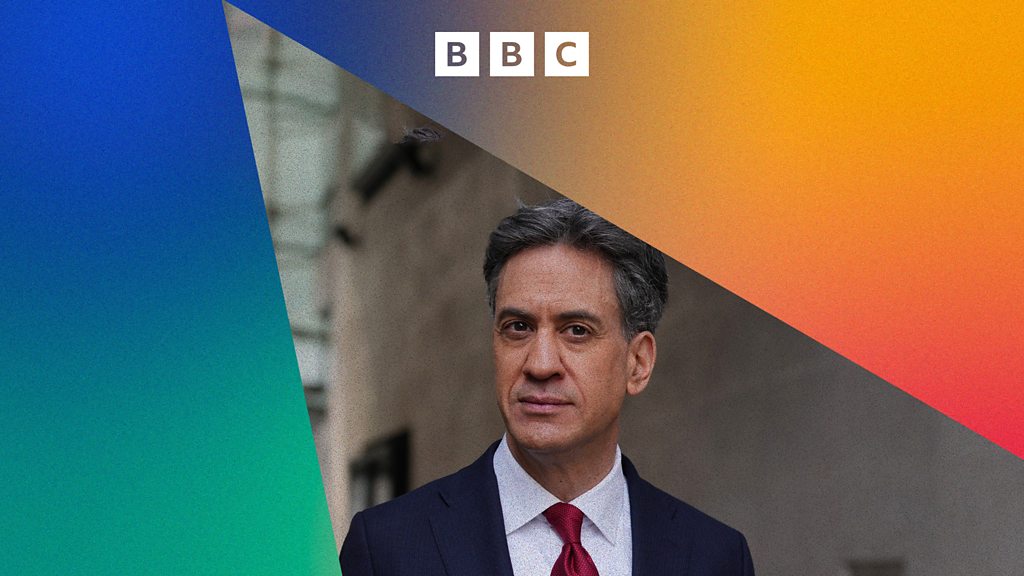
His return to the political spotlight in 2024, when Keir Starmer appointed him Shadow Secretary of State for Energy and Climate Change, marked a significant moment in his political renaissance. This appointment was a strategic move by Starmer, bringing a figure with deep policy expertise and prior ministerial experience back to the front bench, particularly in a portfolio that was becoming increasingly critical. The BBC Sounds profile notes that by 2026, Miliband has assumed the full Secretary of State for Energy role, a testament to his continued influence and the pressing nature of his brief. The current global context, as highlighted by the profile, features "surging energy costs due to the conflict in Iran." This fictional future scenario posits a significant geopolitical crisis that would undoubtedly amplify the importance of Miliband’s role, requiring deft diplomatic engagement, robust domestic energy strategy, and swift action to mitigate the economic impact on households and businesses. His prior experience in the department, coupled with his intellectual capacity, makes him a formidable figure to lead the nation’s response to such a complex and multifaceted challenge.
The concluding question posed by the profile – "does he have his eye on leadership again?" – is a natural one given his return to a high-profile cabinet position and the context of political volatility. While Miliband has consistently focused on his brief since rejoining the front bench, the allure of the top job, once held, can be powerful. His past experiences have undoubtedly provided invaluable lessons in leadership, communication, and resilience. Whether he harbours ambitions to challenge for the leadership again, or is content to wield influence through his current critical portfolio, remains a subject of considerable speculation within Westminster circles. His journey is a testament to the unpredictable nature of political careers, marked by both profound highs and challenging lows, yet consistently defined by a deep-seated commitment to public service and progressive ideals. This episode of "Profile" offers a timely reflection on the life and ongoing relevance of Ed Miliband, a politician who continues to shape the national conversation at a pivotal moment in global affairs.



 Roy Suryo

 Nakalama John
 atisusanti
