George Anjay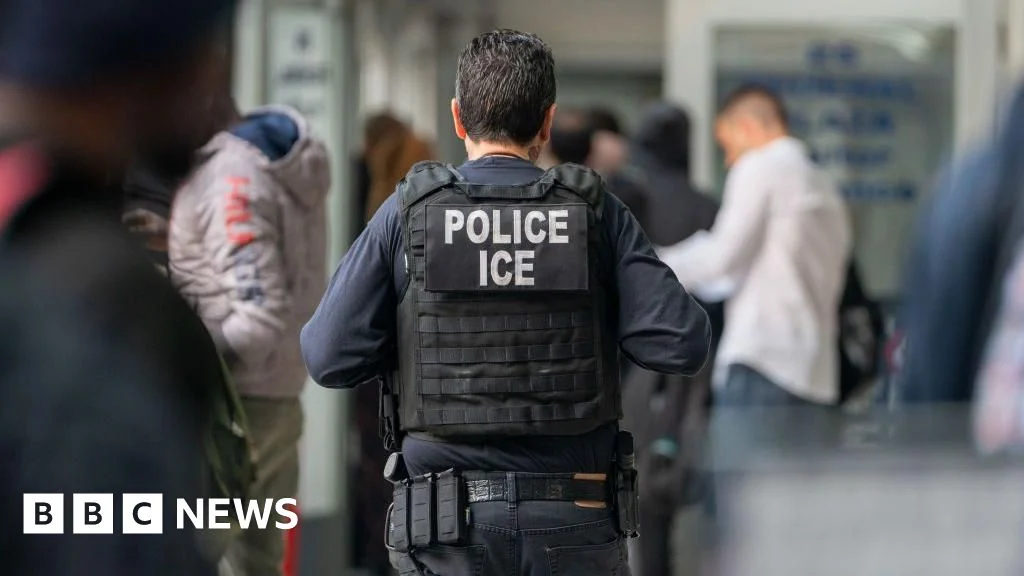
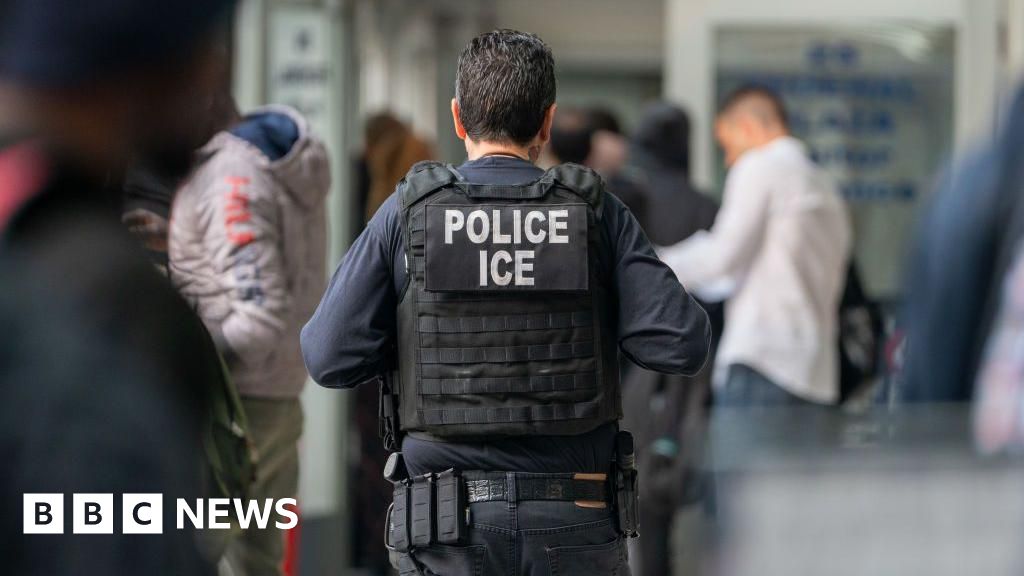
US President Donald Trump has issued a stark warning, threatening to deploy agents from Immigration and Customs Enforcement (ICE) to provide security at airports across the nation if a funding deal for the Department of Homeland Security (DHS) is not reached. The escalating rhetoric comes as a funding impasse has left thousands of Transportation Security Administration (TSA) agents working without pay for over a month, leading to significant disruptions and growing concerns for airport operations and national security.
“I will move our brilliant and patriotic ICE Agents to the Airports where they will do Security like no one has ever seen before,” Trump declared on his social media platform, Truth Social, on Saturday. This aggressive stance underscores the deep partisan divide that has stalled crucial appropriations, leaving federal agencies in limbo. The DHS, which oversees both ICE and the TSA, has been operating without a budget since mid-February, a situation that has directly impacted the livelihoods of the men and women tasked with ensuring the safety of air travel.
A legislative effort to secure funding for the DHS, which would have included provisions for TSA agents at airports, failed to gain traction in the Senate on Friday. The Trump administration has pointed fingers at Democrats, accusing them of holding up the funding bill and demanding concessions on ICE reforms. Democrats, in turn, have stated their unwillingness to approve funding without significant changes to ICE’s operational practices and oversight, particularly in light of controversial actions and incidents involving the agency.
The prolonged funding gap has had tangible consequences for TSA employees. Reports indicate that over 300 TSA staff members have resigned since the shutdown began, and unscheduled absences have reportedly more than doubled. This has translated into increasingly long queues at airports nationwide, creating frustration for travelers and an added burden on the remaining workforce. In a testament to the severity of the financial strain, some airports have resorted to collecting gift cards and food donations to support their TSA personnel.
The financial hardship faced by these federal employees is acute. Johnny Jones, an official with the American Federation of Government Employees (AFGE) in Dallas, shared a grim account with USA Today. "Numerous employees have reported to me that their bank accounts are at zero or negative," Jones stated. "No funds for daycare, no funds for food. They just want to know why the hell they can’t get paid when we have money to shoot missiles into other countries." This sentiment highlights the perceived disconnect between government spending priorities and the struggles of essential public servants.
The proposed deployment of ICE agents to airports marks a significant escalation of Trump’s immigration agenda. The ICE agency has been a central pillar of the Trump administration’s aggressive immigration enforcement strategy, responsible for thousands of arrests since Trump’s return to the White House in January 2025. However, the agency’s tactics have consistently drawn sharp criticism from Democrats, civil liberties advocates, and various non-governmental organizations, who accuse ICE of overreach and inhumane practices.
Trump’s threat to deploy ICE agents is set to take effect on Monday, "if the Democrats do not allow for Just and Proper Security at our Airports, and elsewhere throughout our Country." This ultimatum places immense pressure on Congress to resolve the funding dispute. However, a critical caveat to Trump’s proposal is that ICE agents are not specifically trained for airport security roles, raising questions about their effectiveness and suitability for such a critical function. While ICE operates under the umbrella of the DHS, the agency has largely been insulated from the current shutdown because Congress had previously approved its funding separately.
The Democratic demand for ICE reforms stems from a series of incidents that have fueled concerns about the agency’s conduct. Most recently, federal agents were implicated in the deaths of two Minneapolis residents, Alex Pretti and Renee Good, who were protesting the Trump administration’s immigration raids in Minnesota in January. These tragic events have intensified calls for greater accountability and transparency within ICE.
In response to these concerns, Democrats have put forth specific proposals aimed at reforming ICE. These include barring immigration agents from wearing face masks while on duty, a measure intended to enhance accountability and prevent anonymity; requiring better identification for officers to ensure transparency and allow for easier reporting of misconduct; and tightening the rules and procedures for obtaining warrants, aiming to prevent overreach and protect civil liberties. The standoff over these reforms, coupled with the broader funding debate, has created a complex and politically charged environment, with the security of the nation’s airports hanging precariously in the balance. The potential deployment of ICE agents, a move that sidesteps established protocols and raises serious operational and ethical questions, signals the administration’s willingness to employ unconventional tactics to achieve its policy objectives and underscore the urgency of the situation. The implications of such a deployment are far-reaching, potentially impacting passenger experience, international perceptions of US security, and the very nature of airport operations.




 Nakalama John
 Ramos Leo
 Nana Banana