George Anjay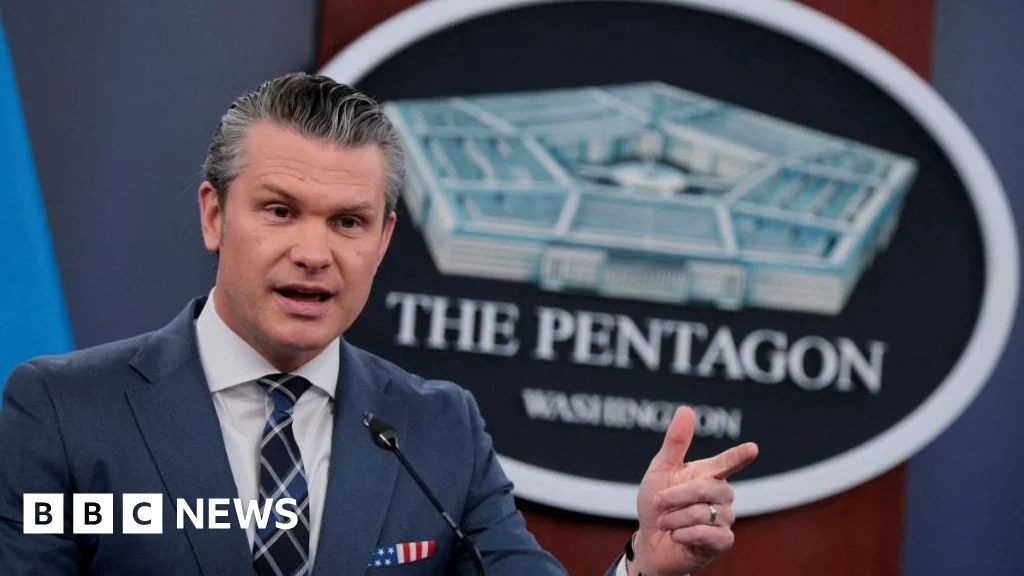
Judge Friedman’s ruling, while partially blocking certain aspects of the policy, did uphold some of its provisions. The Department of Defense has publicly stated its strong disagreement with the judicial decision and has signaled its intention to pursue an appeal. The core of the Pentagon’s policy, which drew the ire of journalistic organizations and civil liberties advocates, was the requirement for reporters to assent to a pre-publication review process for all gathered information. This measure was seen by many as an unprecedented attempt to exert editorial control over reporting, effectively turning investigative journalism into a process requiring government sanction. The consequence of most major media outlets refusing to comply was a dramatic shift in the composition of the Pentagon press corps. Following the implementation of the policy, the daily presence within the Pentagon was dominated by a smaller contingent of outlets, predominantly from the conservative media sphere, such as the One America News Network, which had agreed to the Pentagon’s terms.
A particularly contentious provision struck down by Judge Friedman was the clause that suggested journalists who "solicit" sensitive information could be barred from the building due to perceived security risks. In a clear articulation of journalistic principles, Judge Friedman wrote, "To state the obvious, obtaining and attempting to obtain information is what journalists do." He further elaborated on the implications of this restriction, stating, "Under the Policy’s terms, then, essential journalistic practices that the plaintiffs and others engage in every day – such as asking questions of Department employees – could trigger a determination by the Department that a journalist poses a security or safety risk." The judge emphasized the policy’s inherent vagueness, arguing that it failed to provide a reasonable person with sufficient clarity to understand what actions might constitute a violation, thereby creating an atmosphere of uncertainty and potential self-censorship.
Furthermore, Judge Friedman decisively blocked another key component of the Pentagon’s policy: the assertion that access to the Pentagon is a "privilege" rather than a "right." He unequivocally stated that the Pentagon cannot arbitrarily deny access to journalists, particularly on the basis of their viewpoints or the nature of their reporting. This affirmation reinforces the principle that access to government institutions for the press is crucial for transparency and public accountability. However, it is important to note that the judge did not invalidate all restrictions. The policy mandating that reporters be accompanied by an escort when accessing certain areas of the Pentagon building remains in effect, a measure the Pentagon has maintained is necessary for security protocols within sensitive zones.
In the immediate aftermath of the ruling, Pentagon spokesman Sean Parnell took to the social media platform X to express the department’s stance. He stated, "We disagree with the decision and are pursuing an immediate appeal." This indicates that the legal battle over press access to the Department of Defense is far from over. When the policy was initially introduced, the Pentagon defended its actions by citing the need to safeguard national security and prevent the illicit leaking of classified information by Department of Defense employees. The department had maintained that the policy did not compel journalists to submit their stories for approval by the military, a claim that was met with skepticism by many news organizations.
The Pentagon Press Association (PPA), a professional body dedicated to representing the interests and advocating for the rights of defense reporters, had been a vocal critic of the policy. The PPA argued that the regulations would effectively stifle reporting by preventing journalists from speaking with their sources without explicit government permission. This, they contended, would severely undermine the ability of the press to hold the military accountable and inform the public about critical defense matters. In a statement to CBS News, the PPA’s partner in the United States, the organization expressed its profound satisfaction with the federal judge’s decision.
"We celebrate the decision by a federal judge today that the Pentagon’s press credentialling policy violated the U.S. Constitution," the PPA declared. The organization further used this opportunity to call for the "immediate reinstatement of the credentials of all PPA members" who had been denied access as a result of their refusal to sign the controversial policy. This ruling represents a significant victory for press freedom and the public’s right to information, underscoring the vital role of an unfettered press in a democratic society, particularly in its oversight of powerful governmental institutions like the Department of Defense. The ongoing legal challenges and the Pentagon’s intent to appeal suggest that the debate over the balance between national security and journalistic access will continue to be a prominent issue. The implications of this decision extend beyond the Pentagon, potentially setting a precedent for how government agencies interact with the press and the extent to which they can impose conditions on access that may impinge upon First Amendment protections. The case highlights the enduring tension between the government’s perceived need for control and the press’s constitutional mandate to inform the public, a dynamic that remains central to the functioning of a free and open society. The legal scrutiny applied by Judge Friedman to the Pentagon’s policy serves as a critical reminder that governmental authority, even when ostensibly aimed at protecting national interests, must be exercised within the bounds of constitutional law and respect for fundamental liberties.




 Nakalama John
 Ramos Leo
 Nana Banana