
 Roy Suryo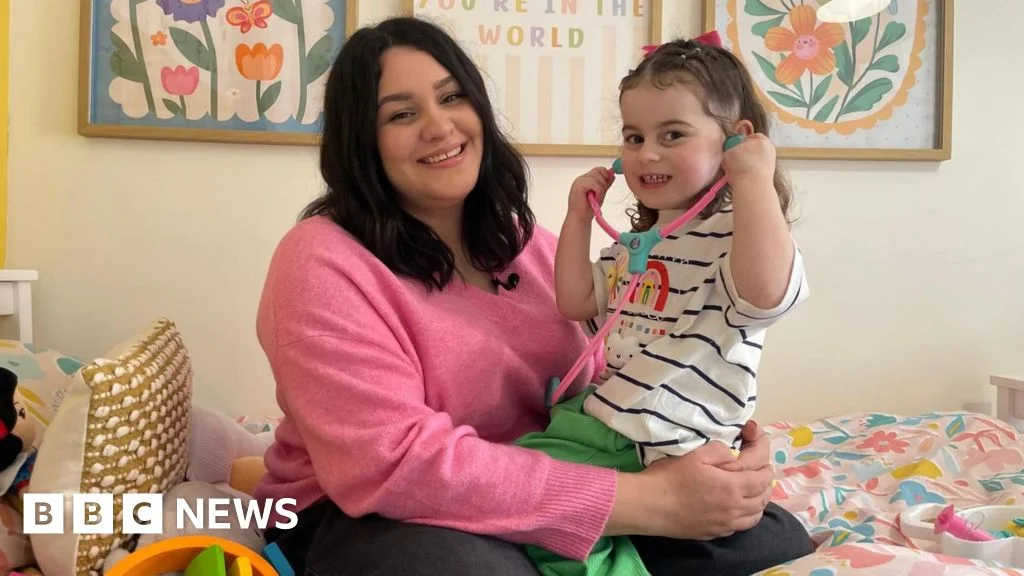
Sofii Lewis, a 27-year-old mother from Aberdare, Rhondda Cynon Taf, bravely shares her harrowing yet ultimately hopeful journey through postpartum psychosis and obsessive-compulsive disorder (OCD), a period that saw her spend five transformative months in a mother and baby mental health unit. Initially anticipating a brief two-week stay, Sofii’s experience underscores the critical importance of specialized perinatal mental health services. Her story is a powerful testament to resilience and recovery, offering vital insights for other mothers navigating similar challenges.
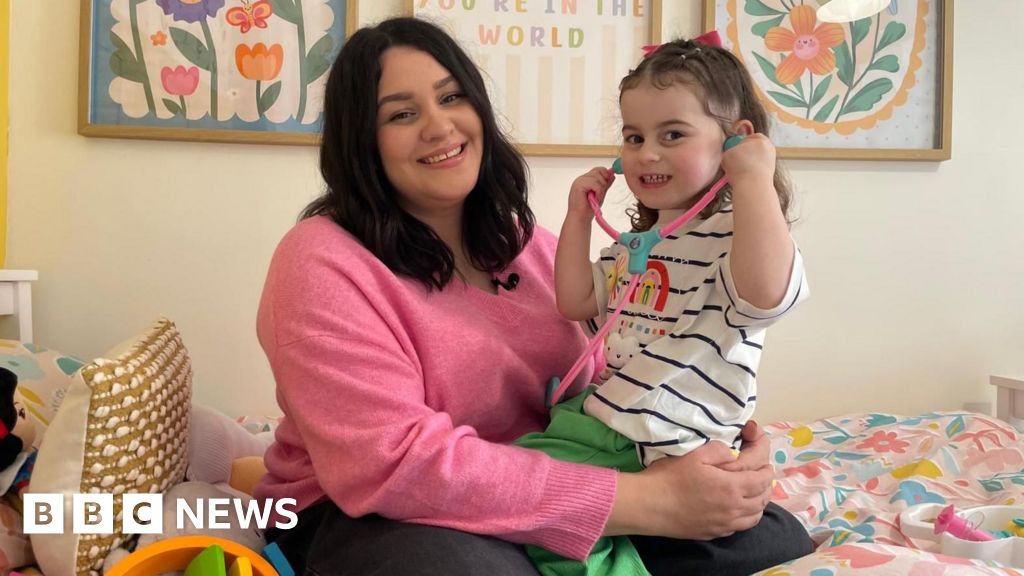
"I knew I wasn’t safe. But I didn’t think I was out of control," Sofii candidly admits, reflecting on the terrifying disconnect between her internal state and her perception of it. Postpartum psychosis, a severe and rare mental illness affecting approximately one in every 1,000 mothers, can emerge suddenly in the days or weeks following childbirth. While treatable, its rapid escalation necessitates prompt and expert intervention. Experts now confirm that such specialized support is increasingly accessible across Wales, a significant advancement from previous years.
Following a challenging pregnancy and birth, Sofii’s initial encounter with her newborn daughter, Evie, was starkly devoid of the expected maternal connection. "There was nothing. I had no interest, even though I had just given birth to my first child," she recalls with a profound sense of detachment. The ensuing days and weeks were a blur of sleep deprivation and disturbing auditory hallucinations – a persistent beeping noise in her bedroom that her mind, in its altered state, interpreted as a sinister sound associated with someone trying to "buy" her baby. "It makes no sense to me now but that felt so real at the time," she explains, highlighting the disorienting nature of her illness.
The intense anxiety and anger Sofii experienced whenever Evie cried prompted her to seek professional help. A visit to a counsellor led to the suggestion of a mother and baby unit, a concept entirely unknown to Sofii at the time. The NHS describes postpartum psychosis symptoms as varied and rapidly changing, potentially including mania, depression, confusion, and hallucinations, and emphasizes that it can affect any woman. While less common than postnatal depression and anxiety, postpartum psychosis can persist for weeks or longer, demanding specialized care.
Sofii’s initial fears of separation from her partner and the unit being a "prison" were quickly allayed. Instead, she found a supportive environment akin to communal living, where she was surrounded by other mothers sharing similar experiences. Within this therapeutic setting, Sofii received medication, engaged in therapy, and crucially, was guided by staff to build a bond with her daughter. "She [Evie] was 16 weeks and that’s the first time I’d done skin-to-skin [contact] with her, and that was a really big moment for me," she shares, underscoring the profound impact of this reconnection.
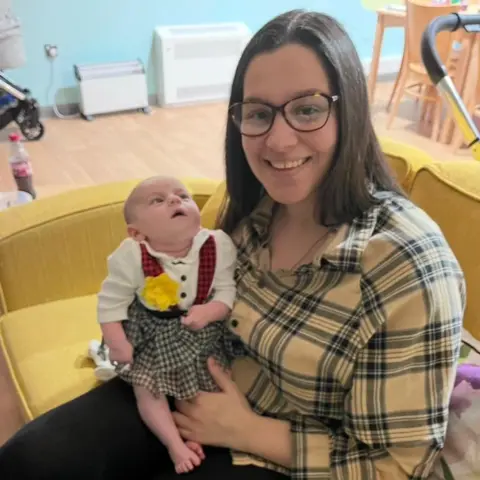
Leaving the intensive care of the mother and baby unit after five months, though a significant step towards recovery, was not without its challenges. However, three years later, Sofii is dedicated to raising awareness and empowering other mothers. "They aren’t alone in this and when you are in it, it does feel like the most isolating thing in the world. You think ‘I’ll never get back to [being] a normal mum’, but you will," she asserts with unwavering conviction.
Dr. Sally Wilson, who works with Action on Postpartum Psychosis, shares her own personal experience of the condition, which nearly ended her life 11 years ago shortly after her daughter’s birth. "In my mind I had died. I was living in an afterlife and being punished for something that happened to my daughter," she recounts. Diagnosed with postpartum psychosis, she described being "completely detached from reality" and admitted to a general psychiatric ward, separated from her baby. While her recovery was lengthy, Dr. Wilson notes the significant improvements in specialist care since her own ordeal. "We now have perinatal specialist teams in all the health boards in Wales," she states, highlighting the existence of a mother and baby unit in Swansea and a newly opened unit in Chester, a joint venture between NHS England and NHS Wales. Despite these advancements, Dr. Wilson stresses the ongoing need for increased awareness among expectant parents, the public, and healthcare professionals.

Professor Arianna Di Florio from Cardiff University emphasizes the delicate balance required in raising awareness of postpartum psychosis, ensuring it educates without inducing undue anxiety. "While it is very rare, it’s also very treatable," she reassures. "It’s really terrifying but there are treatments that work very well and most women recover with some never getting ill again. The prognosis is very good." Professor Di Florio acknowledges that while outreach efforts are progressing well, identifying the condition, particularly in cases without a prior history of mental illness, remains a challenge. She powerfully concludes, "I know it’s easy for me to say but I think it’s a very important message to say that nobody chooses to get postpartum psychosis, it can happen to anyone."
If you’ve been affected by the issues in this story, help and support is available via BBC Action Line.




 Nakalama John
 atisusanti
 Ramos Leo
