
 Roy Suryo
This week has starkly illuminated the devastating and shocking nature of meningitis. What can begin as a day of vibrant health and boundless potential can, within 24 hours, escalate to an intensive care battle as potent bacteria infiltrate the protective membranes surrounding the brain and flood the bloodstream. While bacterial meningitis has become a rarity in the UK, isolated clusters can still emerge, and this recent instance has been characterized by its "unprecedented" scale and rapid progression. The first case was reported to the UK Health Security Agency (UKHSA) on March 13th, with public warnings issued on Sunday night. The outbreak has now affected 29 individuals, tragically claiming two lives, prompting a critical examination of several lingering questions.
When will this be over?
The recent reporting of only two new cases on Friday offers a glimmer of hope, but it does not definitively signal the peak of infections has passed; further cases are anticipated in the coming days. This slowdown, however, is being viewed as an encouraging development. The genesis of this outbreak has been traced to a significant "super-spreader" event – a situation where an unusually large number of people are infected – at Club Chemistry in Canterbury, which occurred between March 5th and March 7th. The incubation period for meningitis, the time elapsed between initial infection and the manifestation of symptoms, is estimated to be up to 10 days. Consequently, it is hoped that the number of cases directly linked to those specific nights at the club will not significantly increase. As part of the containment strategy, approximately 10,000 individuals have been administered antibiotics. This intervention aims to eradicate meningococcal bacteria and prevent those individuals from becoming ill or transmitting the infection further. The crucial question remains: will we soon observe concrete evidence that these containment efforts are effectively curbing the spread, even though the extended incubation period means it will take time before an official declaration can be made that the outbreak has concluded?
Will it spread beyond Kent?
To date, all confirmed and suspected cases have demonstrated a direct link to the county of Kent. However, anecdotal reports have emerged from students who departed university to return home upon the news of the outbreak. This raises the possibility that individuals may be unknowingly carrying the bacteria, which can reside harmlessly in the nasal passages, and have subsequently traveled to other parts of the country. There, they could potentially transmit the bacteria to individuals with whom they have close contact. A comprehensive contact tracing operation is currently underway, with an estimated 10,000 potential close contacts identified. It is imperative that any new cases emerging outside of Kent are not mistakenly conflated with those unrelated to this specific outbreak, as the UK generally experiences approximately one case of invasive bacterial meningitis per day.
Should all teenagers be given the vaccine?
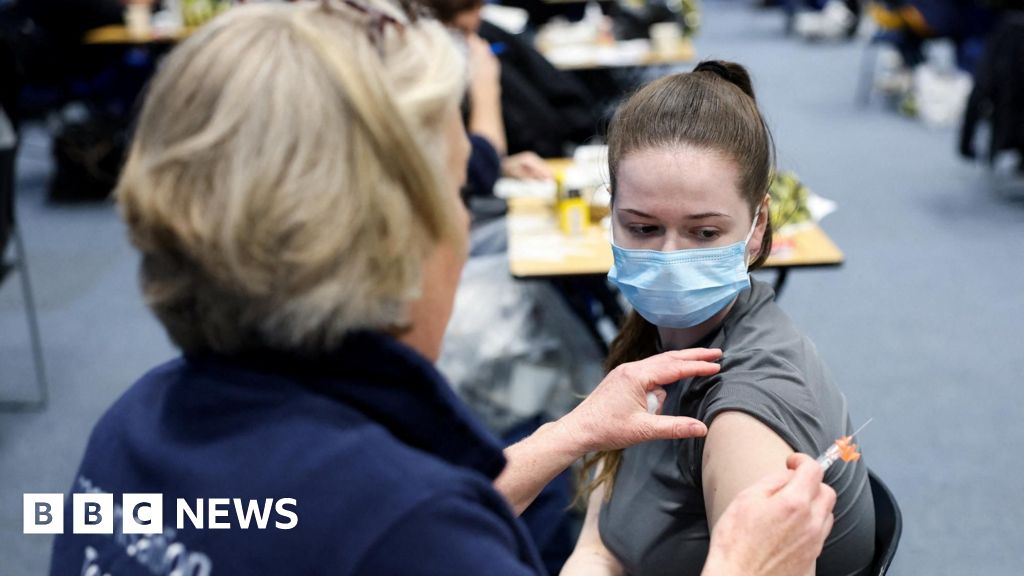
This particular question has resonated deeply with parents across the nation. Health Secretary Wes Streeting has formally requested that the government’s vaccine advisory bodies re-evaluate the existing evidence. The efficacy of the vaccine has never been in doubt; it is demonstrably effective. The debate has historically centered on its cost-effectiveness and whether it represents the most judicious allocation of NHS resources. This often feels like a cold, mathematical calculation, detached from the profound grief and devastation experienced by families affected by meningitis. The meningitis B (MenB) vaccine is notably expensive, with private costs around £220. Over a decade ago, the Joint Committee on Vaccination and Immunisation (JCVI) reviewed the evidence and concluded that the MenB vaccine was cost-effective for the most vulnerable group – infants and toddlers – but not for teenagers and young adults. The pertinent question now is whether this review will lead to a change in policy. Ultimately, this will depend on whether the economic calculations have shifted, and if the unprecedented nature of this particular wave of cases alters the existing cost-benefit analyses.
Has the bacterium become more dangerous?
An initial genetic analysis of the bacterium responsible for this outbreak was completed on Thursday. This preliminary examination indicated that the bacteria share similarities with strains that have been circulating in the UK since 2021, suggesting that the existing vaccine should offer protection. However, a more detailed and in-depth analysis is now required. Even minor genetic mutations can significantly influence the behavior of a bacterium. Scientists will be diligently working to ascertain if any changes have occurred that might render the bacterium more transmissible, more adept at invading the human body, or more effective at infiltrating brain tissues compared to other strains.
What else could have triggered such a rapid outbreak?
Does the explanation for the outbreak’s scale and speed lie solely with the bacterium itself, or did other contributing factors play a role? There has been considerable discussion surrounding the practice of sharing vapes in crowded nightclubs. While unhygienic, there is no definitive proof that this behavior is directly responsible, nor is it an uncommon practice. A compelling hypothesis suggests that the COVID-19 lockdowns may have resulted in younger generations, including current teenagers and students, having less exposure to meningococcal bacteria throughout their lives. It is important to note that up to 25% of individuals in this age group can carry these bacteria harmlessly in the back of their nose or throat. Consequently, this reduced prior exposure might have led to diminished immunity. Furthermore, it has been brought to attention that a cloud of dust, originating from the Sahara Desert, traveled over Europe and the UK, with its arrival coinciding with the onset of the outbreak. Such dust is known to irritate the respiratory tract, potentially making it easier for bacteria to transition from a harmless state to an invasive one. This type of dust is also implicated in the "Meningitis Belt" across Africa. The critical question is whether any of these factors – the sharing of vapes, reduced prior exposure and immunity, or the Saharan dust – played a significant role. Alternatively, it is possible that there isn’t one single causative agent, but rather a confluence of multiple minor contributing elements that, when combined, led to this unusually rapid and extensive outbreak. Understanding these potential triggers is crucial for future prevention and response strategies.




 Nakalama John
 atisusanti
 Ramos Leo
