Nakalama John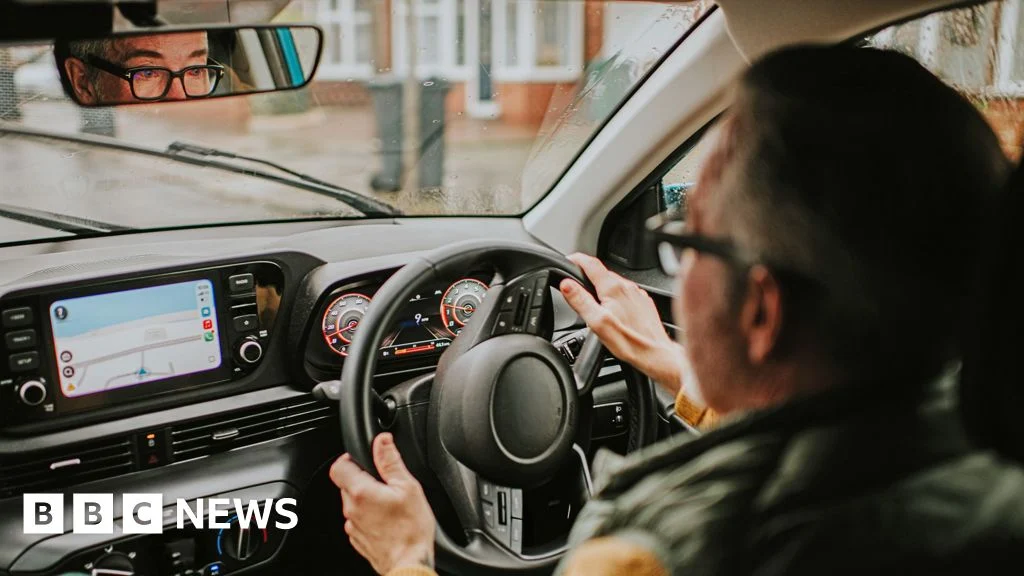
Fatih Birol, the IEA’s executive director, delivered a stark warning to the BBC, articulating that the world is currently grappling with "the greatest global energy security threat in history." He emphasized the urgent need for governments to adopt a more proactive and "vocal" stance in guiding their populations towards more judicious energy consumption. Birol acknowledged the inherent political challenges associated with advocating for such changes, which often involve asking citizens to alter ingrained behaviors. However, he also pointed out that the current, elevated energy prices provide a "big incentive" for individuals and businesses to embrace new, more energy-efficient strategies out of economic necessity. This financial pressure, he suggested, could pave the way for broader public acceptance of what might otherwise be perceived as restrictive policies.
The IEA’s proposals are not merely theoretical; several Asian nations have already taken concrete steps to limit energy usage. For instance, Bangladesh has mandated that air conditioning units in public and commercial buildings not cool below 25 degrees Celsius, a measure mirrored in Thailand with a 26-degree minimum. Other countries are exploring shorter operating hours for educational institutions like schools and universities, while some are restricting air travel for public officials to reduce fuel consumption. Notably, Pakistan and the Philippines have introduced a four-day work week for public servants, a move that significantly cuts down on daily commutes and associated energy use. These examples serve as a blueprint for other nations considering how to effectively implement energy-saving policies without unduly disrupting societal functions.
The IEA, acting as a critical global watchdog, provides expert analysis and recommendations on pressing energy challenges, ranging from energy security to the pivotal transition towards clean energy sources. Its membership includes major economies such as the United States, the United Kingdom, Australia, Canada, Japan, and 24 other European nations, giving its recommendations significant weight on the international stage.
Beyond the headline-grabbing suggestions of working from home and slower driving, the IEA’s comprehensive package of recommendations for governments, businesses, and individuals includes a variety of practical and impactful measures:
- Promoting Car-Free Sundays in Cities: Encouraging urban residents to forgo vehicle use one day a week can dramatically reduce fuel consumption and improve air quality.
- Making Public Transport More Affordable and Accessible: Subsidizing fares and expanding routes can incentivize a shift away from private car usage, particularly for daily commutes.
- Encouraging Walking and Cycling: Investing in pedestrian and cycling infrastructure makes these active travel modes safer and more attractive alternatives for shorter distances.
- Optimizing Logistics for Goods Delivery: Implementing more efficient routing and scheduling for commercial vehicles can reduce fuel usage in the supply chain.
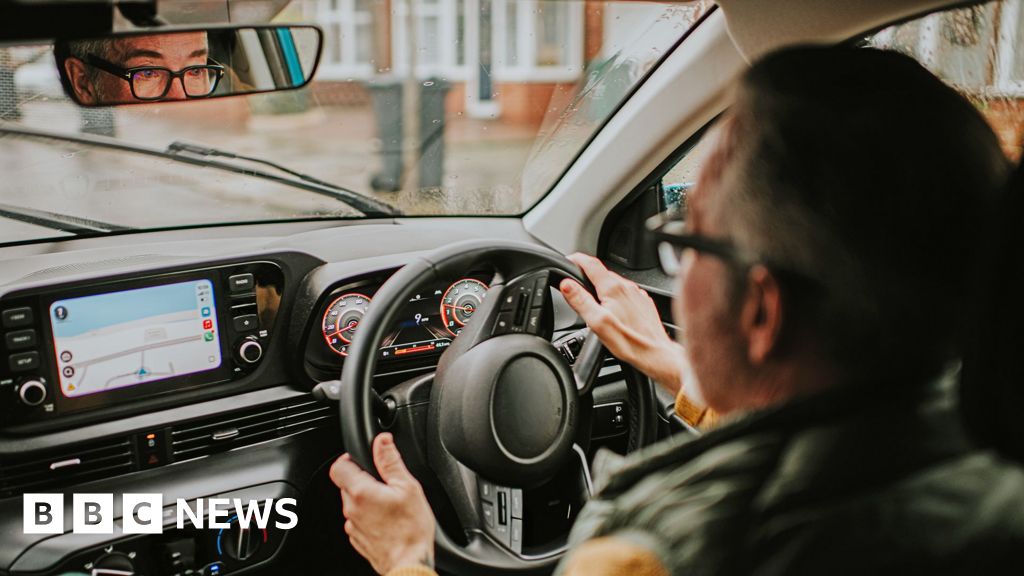
- Promoting Efficient Driving Practices: Educating drivers on techniques like maintaining correct tire pressure, avoiding aggressive acceleration and braking, and regularly servicing vehicles can lead to significant fuel savings.
- Setting Thermostats Lower in Winter and Higher in Summer: Adjusting indoor temperatures by even a couple of degrees can yield substantial energy savings for heating and cooling.
- Improving Insulation and Energy Efficiency in Homes and Buildings: Government incentives and regulations can encourage property owners to upgrade insulation, install double glazing, and adopt more efficient building designs.
- Switching Off Lights and Unplugging Appliances: Simple behavioral changes, such as turning off lights when leaving a room and unplugging electronic devices when not in use (to avoid "phantom load"), can contribute to overall energy reduction.
- Encouraging the Use of Energy-Efficient Appliances: Promoting the adoption of appliances with higher energy star ratings can lead to long-term electricity savings in households and businesses.
- Facilitating Carpooling and Ride-Sharing: Creating platforms and incentives for shared commutes can reduce the number of single-occupancy vehicles on the road.
Furthermore, the IEA emphasized the critical need for a focused effort to preserve liquid petroleum gas (LPG) for cooking and other essential uses. This involves measures such as transitioning bio-fuel converted vehicles onto conventional gas and introducing other strategies to reduce non-essential LPG consumption.
These proposals from the IEA are intended to complement actions already undertaken by its member countries. Earlier this month, these nations collectively agreed to release 400 million barrels of oil from their emergency reserves, representing 20% of their total strategic stockpiles. This coordinated release was designed to stabilize global oil markets and alleviate immediate supply pressures. Birol indicated that there could be further releases of these stocks "if we believe that there is a need" to "alleviate the pain on the economy," a topic he is actively discussing with heads of state and governments.
Birol reiterated his profound concern, stating, "I believe the world has not yet well understood the depth of the energy security challenge we are facing." He underscored that the current crisis is far more profound than the energy shocks of the 1970s and even surpasses the natural gas price surge experienced in the aftermath of Russia’s invasion of Ukraine. He drew parallels to the 1970s, recalling how governments responded to those price spikes with innovative strategies. "One of them was a big wave of nuclear power plants built around the world," Birol noted, highlighting a major diversification of energy sources. "Second, the car industry went through a major transformation. The amount of oil we use for driving 100 kilometres is halved because of the efficiency improvement in cars, the fuel efficiency."
Looking ahead, Birol expressed optimism that the current crisis would similarly catalyze significant advancements. He anticipated a substantial boost to renewable energy generation and battery technology, alongside increased investment in nuclear power generation, mirroring the transformative shifts of the past. However, he also pointed to a crucial geopolitical factor, stating, "The single most important solution to this problem is opening up the Strait of Hormuz." This statement underscores the fragility of global energy supply chains, as the Strait of Hormuz is a vital chokepoint for a significant portion of the world’s oil shipments. Any disruption or threat to this waterway could have catastrophic consequences for global energy markets, regardless of other supply dynamics.
Even if stability is restored to such critical shipping lanes, Birol warned that the damage to energy infrastructure resulting from ongoing conflicts and underinvestment is likely to reduce the amount of oil and gas that major producing regions, including the Gulf countries, can export compared to pre-war levels. This persistent reduction in output capacity is poised to create enduring challenges for global energy markets, maintaining upward pressure on prices and supply concerns. He projected that it would take "months and months" for the energy infrastructure—including oil fields, refineries, and pipelines—to "go back to where they were before the war has started," signaling a protracted period of adjustment and potential volatility for the global energy landscape.

 George Anjay
 Ramos Leo
 atisusanti
 Roy Suryo