
 Nakalama John
The completion of the merger on Thursday, announced by Nexstar, marks a significant victory for CEO Perry Sook, who has meticulously built Nexstar from a single Pennsylvania television station in 1996 into the nation’s largest local television operator. The acquisition of Tegna, itself a spin-off from Gannett’s newspaper and television holdings in 2015, adds 65 stations to Nexstar’s existing portfolio of over 200, bringing its total count to 265. This expansive reach necessitated a waiver from the FCC’s long-standing rule capping a single entity’s broadcast reach at 39% of U.S. households—a waiver that was granted, igniting a firestorm of debate.
The "Trump-backed" descriptor stems from the fact that the merger’s regulatory hurdles were navigated and ultimately cleared under an FCC led by Chairman Ajit Pai, an appointee of former President Donald Trump. Pai’s FCC was widely seen as sympathetic to deregulation and media consolidation, aligning with the administration’s broader push to streamline business operations and, some argue, empower conservative media voices. Critics contended that the administration’s stance on media ownership, coupled with the FCC’s decision to waive the ownership cap, reflected a political agenda that prioritized corporate interests over public interest safeguards designed to ensure a diverse media landscape. Nexstar boss Perry Sook himself acknowledged this alignment, publicly thanking the administration for "recognizing the dynamic forces shaping the media landscape and enabling this transaction to move forward."
The FCC’s majority decision to approve the merger and grant the waiver was premised on the argument that such consolidation was necessary to "counteract the growing imbalance of power" between local broadcast TV stations and the colossal media firms—including Fox, Disney, and Paramount—that dominate programming and content distribution. The Commission stated that the combined company would still own only 15% of the country’s television stations and that maintaining the ownership limits "would run counter to the very reason for those agency regulations" in a rapidly evolving media environment. This rationale suggests that increased scale would allow local broadcasters to better negotiate retransmission fees and content deals with larger cable and satellite providers, theoretically strengthening their financial footing.
However, this argument was met with fierce opposition, notably from Democratic Commissioner Anna Gomez, who issued a scathing dissent. Gomez criticized the decision for exacerbating strains on local journalism, warning that it would lead to "concentrating broadcast power in fewer corporate hands, shrinking independent editorial voices, and prioritizing national business interests over local needs." She specifically cited Nexstar’s track record, noting, "Nexstar has already begun cutting newsrooms throughout the country," suggesting a pattern of cost-cutting that could undermine the very local journalism the merger was ostensibly meant to protect. This concern is rooted in the fear that larger, consolidated entities might reduce staff, centralize news production, and rely more heavily on syndicated content, thereby diminishing the unique, community-focused reporting that local stations traditionally provide.
The merger’s implications for consumers and local news quality are central to the ongoing controversy. A coalition of eight states, including New York, California, Virginia, Connecticut, and Colorado, has filed a lawsuit seeking to block the takeover. Their contention is that the merger would grant Nexstar a virtual news monopoly in many markets, empowering the firm to levy higher retransmission fees for its programming. These increased costs, they argue, would inevitably be passed on to consumers through higher cable and satellite bills. Furthermore, the states’ lawsuit contends that such market dominance would lead to "limiting the quality and diversity of local news," as reduced competition would lessen the incentive for Nexstar to invest in robust local reporting or offer varied perspectives.
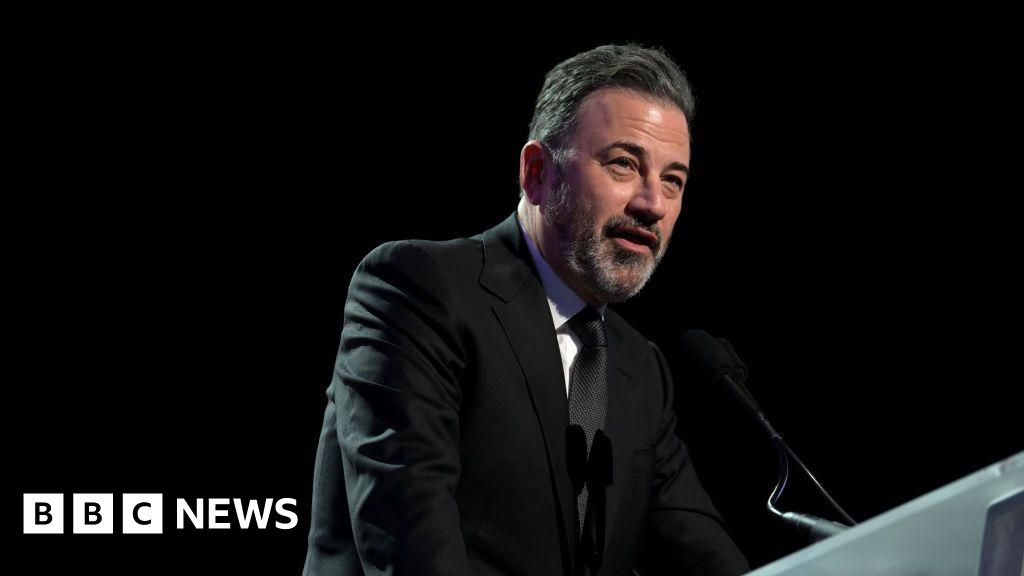
This concern about market leverage was vividly illustrated by a past incident involving Nexstar and the popular late-night host Jimmy Kimmel. The merger drew significant public attention after Nexstar temporarily blocked Kimmel’s program from its stations during a retransmission consent dispute with Disney/ABC. While Nexstar asserted it was a standard negotiation tactic, critics viewed it as a stark demonstration of the immense power a consolidated broadcaster wields, capable of depriving viewers of popular programming as a bargaining chip. Such actions underscore fears that the new, larger Nexstar could use its enhanced market position to pressure content providers and distributors, ultimately impacting viewer access and costs.
Beyond retransmission fees, the broader "dynamic forces shaping the media landscape" cited by Nexstar’s Sook include the pervasive challenges of cord-cutting, the proliferation of streaming services, and the relentless decline in traditional advertising revenue. Local broadcasters have indeed struggled to adapt to these shifts, facing intense competition from digital-native news sources and national media outlets. Nexstar argues that the merger provides the necessary scale and financial resources to invest in digital platforms, shared production capabilities, and technology upgrades, enabling them to compete more effectively in this fragmented environment. The vision is one where a larger, more efficient Nexstar can better serve its communities by pooling resources and talent.
However, critics counter that consolidation often leads to efficiency gains for shareholders, not necessarily an improvement in local content. They point to instances where station mergers have resulted in fewer local reporters, shared news anchors across multiple markets, and a greater reliance on generic, nationally-sourced content, rather than deep-dive local investigative journalism. The fear is that the drive for profitability in a consolidated entity might override commitments to public service journalism, especially in smaller markets where independent news voices are already scarce.
Adding to the legal complexities, satellite television provider DirecTV has also filed a lawsuit against the merger. DirecTV’s concerns are primarily economic, revolving around the potential for Nexstar to demand even higher retransmission fees post-merger, which would directly impact DirecTV’s operating costs and, by extension, its subscribers. These legal challenges, from both states and industry players, suggest that while the deal has closed, its operational and market implications may still face significant scrutiny and potential adjustments in the courts.
In conclusion, the completion of the Nexstar-Tegna merger marks a pivotal moment for the U.S. television broadcasting industry. It represents a triumph for Nexstar’s aggressive growth strategy and for the regulatory philosophy that favors consolidation as a means for local broadcasters to survive in a challenging media environment. Yet, it simultaneously deepens anxieties among consumer advocates, policymakers, and journalists who fear that this concentration of power will come at the expense of media diversity, affordable access for consumers, and the vitality of local news—the very pillars of a healthy democratic discourse. The legal battles ahead will determine the full extent of this new media giant’s power and its lasting impact on American households and their access to information.



 George Anjay
 atisusanti
 Ramos Leo
 Roy Suryo
 Nana Banana