
 Nakalama John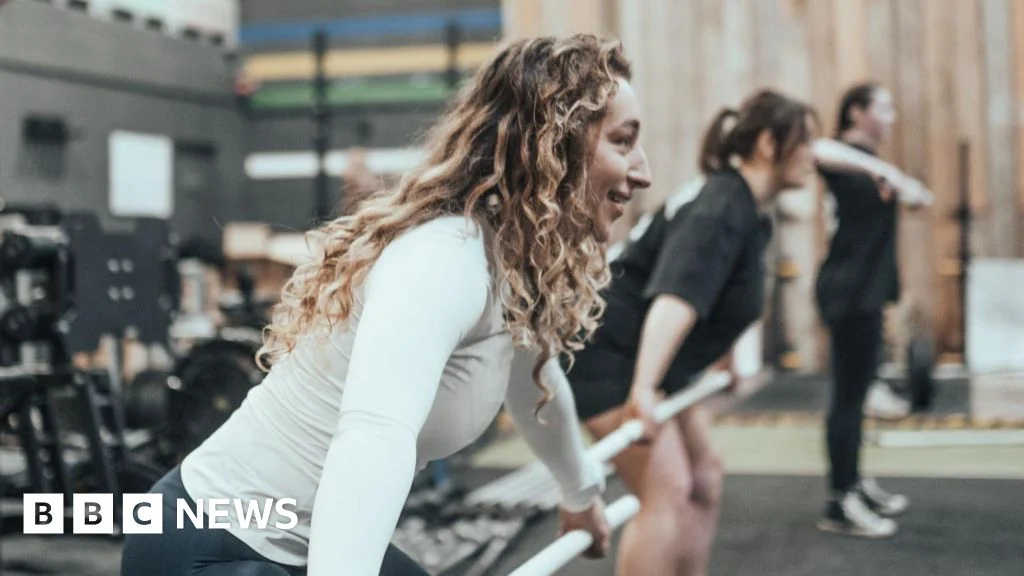
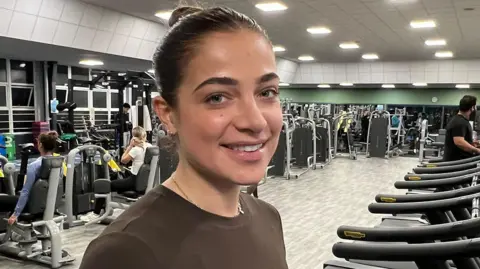
The thumping bass, the vibrant lights, the collective energy of a crowd moving in unison – these might sound like the hallmarks of a buzzing nightclub, but for an increasing number of twenty-somethings, they now define a different kind of social sanctuary: the gym. This isn’t just about fitness; it’s a profound cultural shift, transforming fitness centers into the new epicenters of social interaction, offering "club vibes without the hangover." Leading this charge are individuals like Sydney Cassidy, a 28-year-old digital creator and fitness enthusiast known as Syd Grows, who views her local gym not merely as a place to work out, but as a vital social hub.
For Sydney, the gym has become an indispensable space for fostering connections and building a community. "The gym is my space to get a social fix and to talk to and see people," she explains, highlighting how effortlessly her workout routines blend with her social life. "That is predominantly where I make all of my friends – at the gym, at training sessions." This isn’t a casual acquaintance; it’s about deep, supportive relationships forged in the shared pursuit of health and personal growth. The camaraderie of spotting a friend during a lift, pushing through a challenging class together, or sharing post-workout protein shakes creates bonds that often transcend the gym walls.
A significant driver behind this trend, Sydney notes, is the post-Covid boom in gym content across social media platforms. Influencers, fitness challenges, and aspirational transformation journeys have made fitness a highly visible and celebrated lifestyle. What was once seen as a solitary or mundane activity is now presented as a dynamic, communal experience, inspiring more young people to discover what regulars like Sydney have long known: gyms can be vibrant, communal hangouts. This digital phenomenon has effectively rebranded gym culture, making it aspirational and accessible, particularly for a generation that values authenticity and well-being.
Furthermore, this shift offers a compelling alternative to traditional drinking culture, which Sydney consciously opts out of. "I don’t go out drinking," she states, articulating a sentiment echoed by many of her peers. The gym provides an environment where socialising doesn’t necessitate alcohol, allowing individuals to maintain their health goals while still enjoying a rich and active social life. It’s a space where self-improvement and connection go hand-in-hand, a stark contrast to the often fleeting and less memorable interactions of a late-night bar.
This burgeoning trend is substantiated by compelling statistics from across the fitness industry. PureGym, the UK’s largest gym chain, reported that a remarkable 47% of its new joiners in January were aged 25 or under. This demographic dominance underscores a generational pivot, indicating that younger individuals are actively choosing fitness spaces as their primary social outlets. It signifies a fundamental re-evaluation of how leisure time is spent and where community is sought.
Research group Mintel further elaborates on this evolving landscape, noting that younger people now embrace a much broader, more holistic definition of "wellness." Health is no longer confined to merely lifting weights or attending a cardio class; it encompasses mental well-being, stress reduction, mindful movement, nutrition, and community support. In response, fitness centers and health clubs are expanding their offerings, transforming into comprehensive wellness hubs that provide far more than just workout equipment.
Paul Davies, senior director of leisure and trends at Mintel, highlights that gyms are strategically positioning themselves as alternative social spaces, effectively "encroaching on the traditional role of bars and nightclubs." He observes, "Young consumers are choosing gyms and leisure centers over traditional alcohol-centric socialising, such as pubs." This strategic pivot sees gyms integrating amenities like healthy cafes, smoothie bars, and co-working spaces, further blurring the lines between a workout facility and a social club. It’s common for young people to now "twin" a rigorous gym session with a post-workout coffee morning or a protein smoothie meet-up, extending the social experience and solidifying friendships.
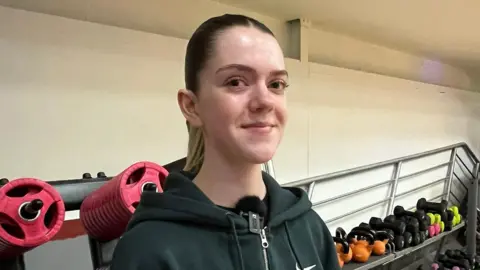
The immersive experience offered by modern gyms often mimics the very venues they are replacing. On a Wednesday night in Grimsby, the Oasis Health Club exemplifies this transformation. Dance anthems blast through speakers, while kaleidoscopic disco lights illuminate a studio packed with around 50 people, predominantly women, engaged in an hour of high-energy cardio and strengthening. The atmosphere is electric, pulsating with shared effort and collective joy, easily mistaken for a bustling club.
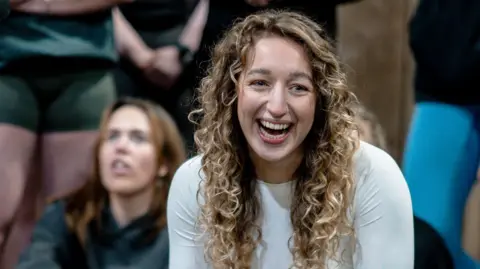
For Megan Riley, a 20-year-old paralegal apprentice, these fitness classes have become a cornerstone of her social life, especially after many of her friends moved away for university. "We’re all celebrating each other’s little wins whether that be upping your weights or doing a really successful class," she shares. This environment provides a powerful sense of belonging and mutual encouragement, filling the void left by geographically dispersed friendships. Megan perfectly encapsulates the appeal: "It feels like you’re in a club, you’re getting all the songs, you’re all dancing, you’ve got the club vibes but without the hangover the next day." The physical exhilaration and social connection come without the financial cost, health risks, and regret often associated with traditional nightlife.
This paradigm shift towards alcohol-free socialising resonates deeply with Vikki Harries, a 28-year-old safeguarding manager, whose social calendar is now meticulously planned around gym sessions with her friends. "The gym just feels like there’s like-minded people there. I just don’t feel out of place or anything like that," she says, emphasizing the welcoming and inclusive nature of these spaces. As she trains for marathons, her friends become her training partners, turning demanding physical challenges into shared experiences. "That is kind of how we see each other now," she explains, illustrating how exercise has become a primary vehicle for maintaining her social connections.
The broader data supports this observation. Sport England reported a 12% rise in children and young people participating in gym and fitness activities between 2017 and 2024, signaling a long-term trend. The Gym Group’s 2025 report further solidified this, noting that 44% of Gen Z individuals said they work out to socialise with friends, a significant increase from 37% the previous year. This growing social imperative also correlates with increased spending on fitness: the average Gen Z individual now spends £48.81 per month on memberships, apps, and equipment – a 17% increase from 2024. This financial commitment highlights the value young people place on their fitness-centric social lives. Mintel’s research further cements this shift, revealing that just over half of 18 to 24-year-olds had visited a gym more than once in the month leading up to July 2025, compared to only 42% who went to a pub for drinks in the same period.
So, does this pronounced shift in social habits spell trouble for the traditional hospitality sector? Mintel, while cautious, states it lacks direct evidence to prove a causal link between increased gym popularity and declining pub takings. However, data from the Night-Time Industries Association, compiled by CGA Intelligence, paints a concerning picture for pubs and clubs. Their research indicates that the number of clubs, pubs, bars, and casinos has plummeted by 28% since the Covid pandemic, with this decline continuing steadily last year. While the hospitality industry grapples with a "multitude of challenges," including exorbitant taxes, soaring energy costs, and staffing shortages, the growing preference among young people for socialising away from alcohol-centric venues is undoubtedly another significant issue for the sector to confront. This cultural pivot could have profound long-term implications for urban planning, community hubs, and the very fabric of social life.
In stark contrast, the gym environment is thriving. Lauren Connis, head of health and wellbeing at Oldham Active in Manchester, observes that their gym is "absolutely heaving with young people" at peak times. She challenges outdated perceptions, stating, "I think sometimes there’s a common misconception that young people are there to cause trouble when actually they just want to connect with their friends and become happier and healthier in a safe space." This emphasis on safety, well-being, and genuine connection positions gyms as ideal environments for a generation that prioritizes holistic health and meaningful interactions.
Childhood friends and international students Marwan Hamouche and Arthur Perroud, both 19 and hailing from Dubai, epitomize this trend. They regularly train together at their local Fitness First branch in London, weaving gym sessions into their busy schedules between business lectures. Their goal is at least three shared sessions a week, driven by mutual motivation. "It helps to motivate us. If you go alone it’s harder, especially when it’s cold," Arthur explains. While the gym isn’t their sole hangout, it’s undeniably a significant one, offering a consistent and productive way to spend time together. Marwan adds that asking others for help and advice within the gym has even led to the formation of new friendships, highlighting the organic social dynamics at play.
Ultimately, for digital creator and fitness enthusiast Sydney Cassidy, the appeal is elegantly simple and deeply personal. "I justify [the cost of gym] because I don’t go out drinking," she concludes. "It’s how I choose to spend my free time and that’s what I like to do." Her statement encapsulates the sentiment of a generation that is consciously reshaping its social landscape, opting for sweat over shots, camaraderie over hangovers, and long-term well-being over fleeting indulgence. The gym, once a place solely for individual betterment, has evolved into a vibrant, collective social arena, proving that for twenty-somethings, the most exciting night out might just involve a set of dumbbells and a supportive community.



 George Anjay
 Ramos Leo
 Roy Suryo
 atisusanti