
 Nakalama John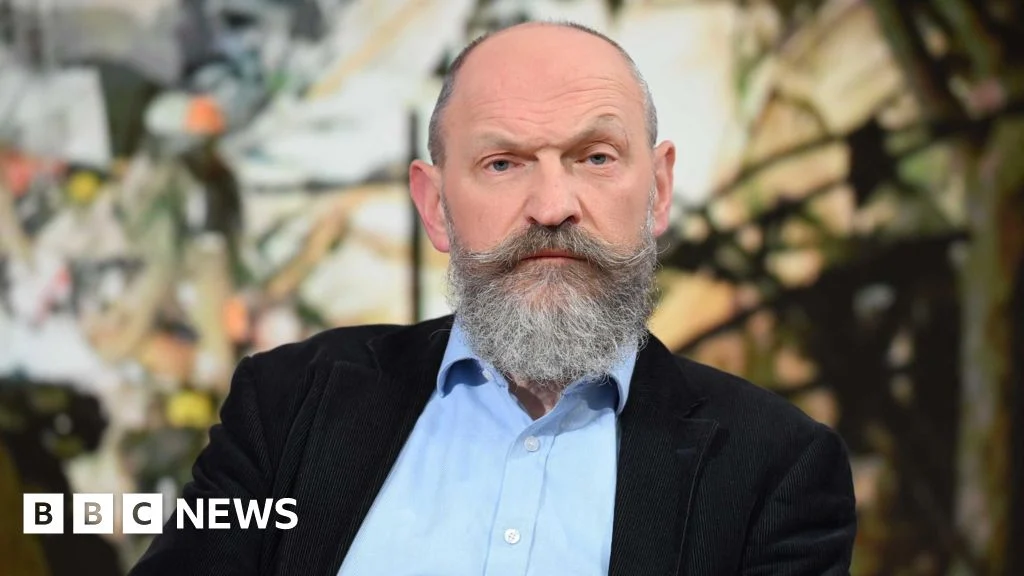
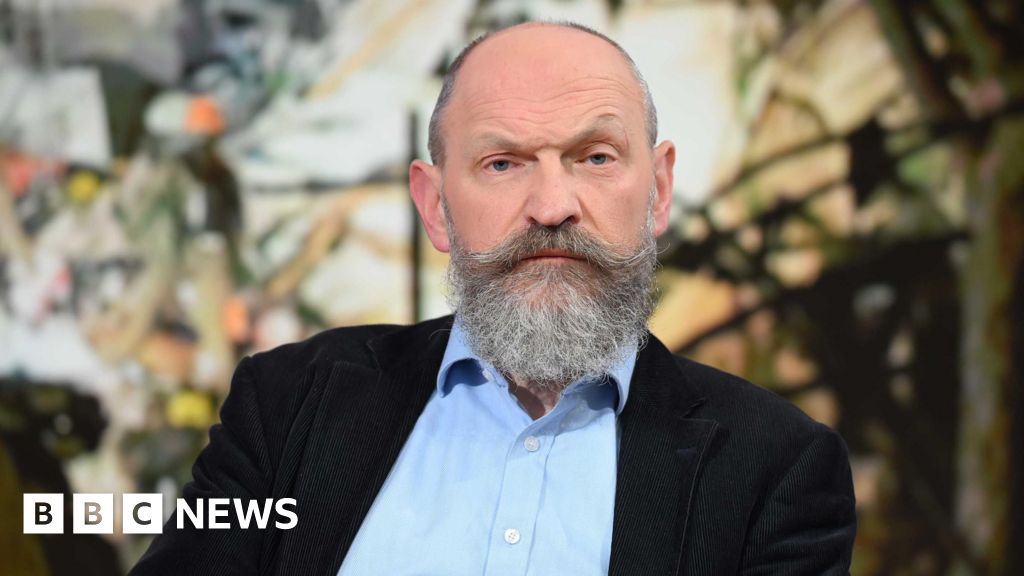
The head of one of the United Kingdom’s largest energy suppliers has delivered a stark warning to consumers, stating that an increase in household energy bills is "inescapable" if global oil prices continue their upward trajectory amidst heightened geopolitical tensions in the Middle East. Chris O’Shea, the chief executive of Centrica, which owns British Gas, articulated this concern in an interview with the BBC, highlighting the profound economic implications of the current volatile international landscape.
O’Shea specifically pointed to the effective closure or severe disruption of the Strait of Hormuz, a critical maritime chokepoint, as a primary driver affecting the supply and price of oil. While acknowledging that it was "too early to speculate" on the precise long-term impact on energy prices, he underscored the gravity of the situation. His remarks come amidst forecasts from leading energy consultancies that suggest significant increases for consumers. Cornwall Insight, a respected industry analyst, has predicted that energy bills in England, Scotland, and Wales could see an average rise of £332 from July. This potential surge would follow a period of relief for households, as bills were set to fall by an average of £117 from April due due to the adjustment of the energy price cap by the regulator Ofgem. If the current geopolitical and market conditions persist into the summer, O’Shea warned, "then I think that’s inescapable."
The underlying cause of this market instability is rooted in escalating hostilities involving Iran in the Middle East. Since these tensions intensified, global oil and gas prices have experienced a dramatic climb. Crude oil, a benchmark for energy markets, has surged by an alarming 45%, reaching $106 a barrel. The Strait of Hormuz, a narrow waterway situated between the Persian Gulf and the Gulf of Oman, is globally recognised as the world’s most important oil transit chokepoint. Approximately 20% of the world’s total petroleum liquids consumption, or about 21 million barrels per day, typically flows through this vital artery. Reports of Iran targeting or threatening shipping in the waterway have brought transit to a near halt, creating significant supply fears and driving up prices. Any prolonged disruption here has far-reaching consequences for global energy security and economic stability.
However, O’Shea offered a nuanced perspective on the differential impact on gas versus oil. He noted that while the Strait of Hormuz is crucial for oil, only an estimated 3-4% of the global gas supply had been directly affected by its closure. "So, the impact on gas, and therefore on electricity bills, should be lower than the impact on oil," he explained during an appearance on the BBC’s Sunday with Laura Kuenssberg programme. This distinction is crucial for consumers, as gas prices directly influence electricity generation costs in the UK. O’Shea’s "gut feel" was that "you’ll see more of an impact of this in the petrol pumps than you will in bills." This suggests that while motorists may face higher fuel costs, the direct impact on domestic heating and electricity bills might be comparatively less severe, though still significant. The UK’s gas supply chain is more diversified, relying on North Sea production, pipeline imports from Norway and continental Europe, and liquefied natural gas (LNG) shipments from various global sources, making it somewhat less vulnerable to a single chokepoint compared to global oil markets.
In response to the looming threat of higher energy costs, discussions are intensifying within government circles regarding potential support measures for households. O’Shea expressed his view on government intervention, advocating for "targeted" assistance rather than "blanket help." He argued that focused support would be "far better" for those most in need, ensuring that aid reaches vulnerable households without creating unnecessary fiscal burdens. This approach aligns with recent government strategies to provide more specific relief packages rather than universal subsidies.
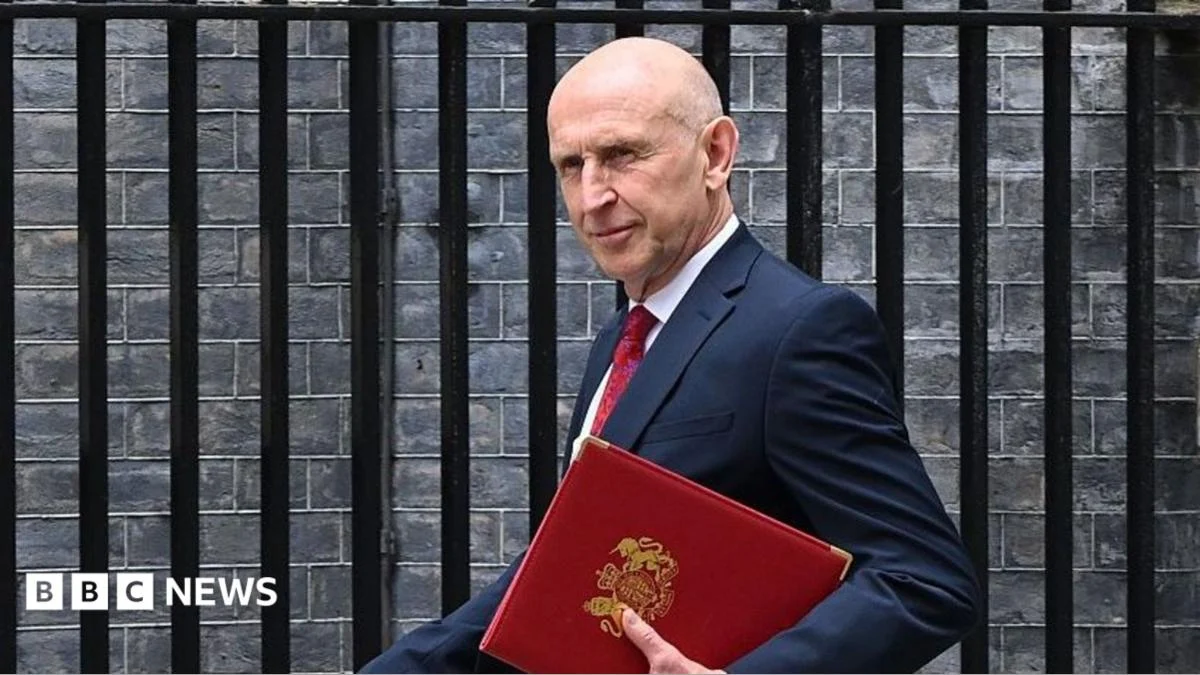
The urgency of the situation was underscored by an announcement that the Prime Minister would hold an emergency meeting with senior ministers and the Bank of England governor. This high-level gathering is intended to discuss comprehensive measures to counter the potential ripple effects of the ongoing Middle East tensions on the UK economy, particularly concerning the cost of living. The Bank of England’s involvement highlights the broader economic implications, as rising energy prices are a significant driver of inflation, which could influence interest rate decisions and overall economic stability.
Housing Secretary Steve Reed, speaking on the same programme, reiterated the government’s commitment to addressing energy bill concerns. He referenced existing actions, including a recently announced £53m package designed to assist homes struggling with a sharp increase in the price of heating oil, a fuel often used in rural areas not connected to the main gas grid. This specific intervention demonstrates a recognition of particular vulnerabilities within the energy market.
The discussion around government support also touched upon a more radical proposal put forward by the government’s cost-of-living tsar, Lord Walker, who also serves as chief executive of supermarket chain Iceland. In an interview with the Sunday Times, Lord Walker suggested that energy companies and petrol stations should have their profits temporarily capped as oil prices escalate. This idea, often raised during periods of perceived "profiteering" amidst crises, aims to prevent companies from unduly benefiting from market volatility at the expense of consumers. Such proposals, sometimes referred to as "windfall taxes" or price controls, typically spark intense debate about market intervention, investment incentives, and the role of government in regulating private enterprise.
However, Steve Reed appeared to dismiss the notion of immediate profit capping, stating that such a measure was not currently necessary. He assured the public that the government was "monitoring this, believe me, hour-by-hour," and affirmed that "as intervention is required, the government in making appropriate interventions but we’re already focussing on keeping bills down." This stance suggests a preference for a cautious, reactive approach, reserving more drastic measures like profit caps for situations deemed absolutely critical. The government faces a delicate balancing act: providing sufficient support to mitigate the cost-of-living crisis without distorting markets or unduly penalising businesses that are also navigating a volatile global environment.
The current energy market challenges echo previous periods of global instability, reminding policymakers and consumers of the UK’s ongoing dependency on international energy markets, despite efforts towards domestic generation and renewable energy transition. The "inescapable" rise in bills, if sustained, will place further pressure on household budgets already strained by inflation, potentially impacting consumer spending and broader economic recovery. As the situation in the Middle East remains fluid, the UK government and energy providers face the complex task of navigating these immediate pressures while also considering long-term strategies for energy security, affordability, and the transition to a more resilient, sustainable energy future.



 George Anjay
 atisusanti
 Ramos Leo
 Roy Suryo
 Nana Banana