George Anjay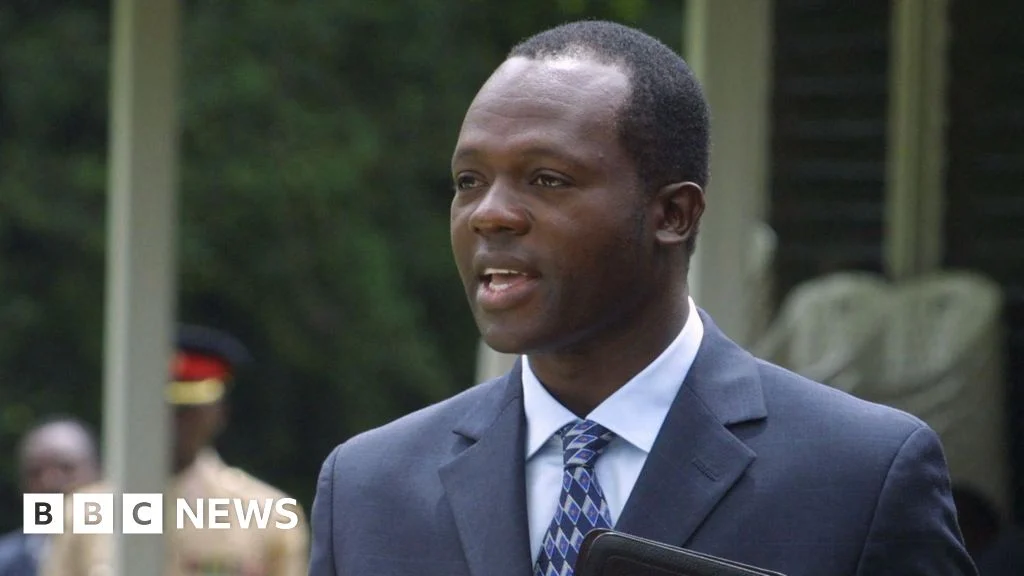
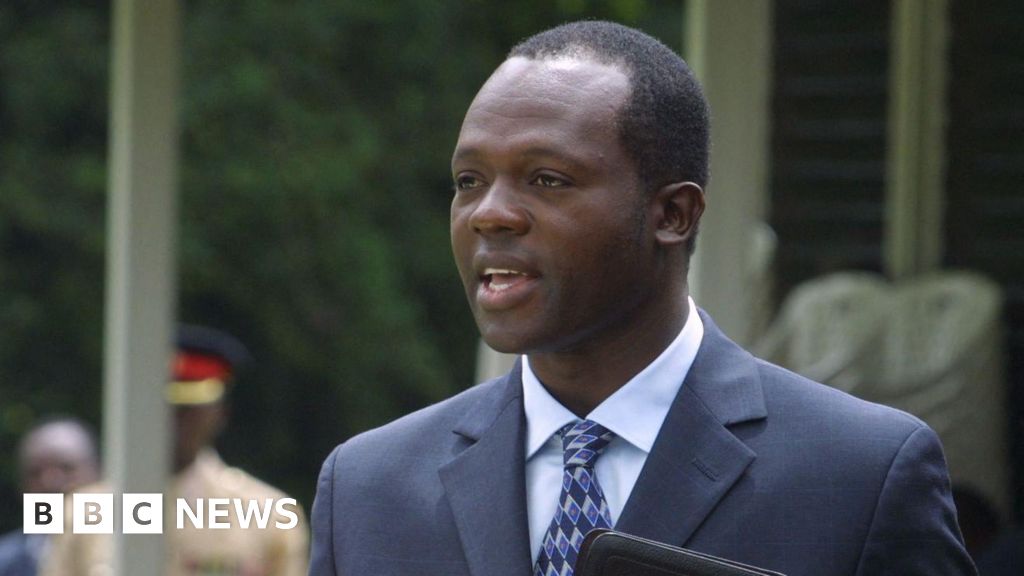
Former Kenyan Foreign Minister Raphael Tuju has reappeared, a day after his reported disappearance sparked fears of abduction. The prominent politician, who has served in various capacities within the Kenyan government, revealed his ordeal to local media, explaining he went into hiding after suspecting he was being followed by an unmarked vehicle. His reappearance has brought a wave of relief to his family, supporters, and the nation, though it has also intensified concerns about security and potential politically motivated actions within the country.
Speaking to Citizen TV on Monday afternoon, Mr. Tuju recounted the events that led to his disappearance. He stated that he noticed an unmarked vehicle tailing him, prompting him to divert his route onto less familiar roads in an attempt to lose his pursuers. Once he had successfully evaded the vehicle, he made the decision to abandon his own car, anticipating that it would be the focus of any search. This strategic move, he explained, was driven by a deep-seated fear, rooted in the experiences of other Kenyans who have faced similar situations, including abductions and unexplained disappearances, often ending in unmarked graves. He expressed profound gratitude to the Kenyan public and opposition politicians who rallied behind him during his absence.
The former minister’s decision not to seek immediate police assistance was a direct consequence of these fears. He elaborated that the historical context of unresolved disappearances and alleged extrajudicial killings in Kenya made him hesitant to involve law enforcement, opting instead for self-preservation through hiding. His family had initially reported him and his driver missing on Saturday evening as they were en route to a scheduled radio interview. The discovery of his abandoned vehicle, with hazard lights flashing, on a road in Karen, an affluent suburb of Nairobi, had heightened the alarm. Efforts to contact him were unsuccessful as his phone was reportedly switched off.
Mr. Tuju’s reappearance comes amid a protracted and contentious legal battle over the auction and alleged takeover of his properties in Nairobi. These disputes are linked to an unsettled bank loan, and the former minister has accused powerful individuals of orchestrating attempts to seize his assets. He recently alleged that dozens of police officers had raided his Karen property, forcibly removed his staff and security personnel, and taken control of the business premises. The Kenyan government has yet to issue an official statement regarding these allegations.
The ongoing court case involves lenders seeking to recover debts exceeding $15 million (£11 million), which are secured against properties owned by Mr. Tuju’s company, Dari Limited. He has mounted several unsuccessful legal challenges to prevent the auction of these properties. Most recently, he secured court orders barring the transfer of the property until his latest application can be heard and adjudicated.
Prior to his disappearance, Mr. Tuju’s lawyer, Paul Nyamodi, informed local media that the ex-minister had filed a report with the police, detailing that he was being followed by an unmarked vehicle. This report underscores the perceived threat he felt, which ultimately led to his decision to go into hiding.
Mr. Tuju’s disappearance had prompted strong reactions from prominent opposition figures, who openly suggested that he might have been abducted. Kalonzo Musyoka, a leading opposition politician, expressed his relief at Mr. Tuju’s safety on Monday, stating, "We thank God that our brother is alive and well." He went on to voice serious concerns about the prevailing security situation, warning, "The truth of the matter is that there is an abduction squad in town." Mr. Musyoka urged for calm and adherence to constitutional principles and the rule of law, implying that the incident reflected a broader pattern of state-sanctioned actions or a breakdown of law and order.
The resurfacing of Raphael Tuju, a figure with considerable political experience and a history of public service, casts a spotlight on the intricate web of legal disputes, property rights, and alleged political interference in Kenya. His account of being followed and choosing to go into hiding highlights the deep-seated distrust and fear that can arise when individuals feel vulnerable to powerful forces, particularly in the context of ongoing legal and financial entanglements. The allegations of a coordinated effort to seize his property, coupled with his concerns about unmarked vehicles and potential abduction, paint a concerning picture of the risks faced by some prominent citizens in the current political climate.
The legal battle surrounding Dari Limited’s properties, with debts in the tens of millions of dollars, is a significant factor in the unfolding narrative. The complexity of these financial disputes, often involving high-stakes assets, can unfortunately lead to intense pressure and conflict. Mr. Tuju’s repeated attempts to halt the auction and his recent acquisition of court orders suggest a determined effort to protect his assets, but also indicate the formidable challenges he faces from his creditors.
The alleged raid on his property by police officers and the subsequent ejection of staff and security personnel add another layer of gravity to the situation. Such actions, if proven, could be interpreted as an aggressive and possibly unlawful attempt to gain control of the disputed properties. The lack of an official government comment on these serious allegations leaves room for speculation and further fuels concerns about transparency and accountability.
The intervention of opposition politicians in this matter underscores the politicization of such events in Kenya. Their pronouncements, particularly the suggestion of an "abduction squad," reflect a broader narrative of alleged state repression or the misuse of power against political opponents or individuals perceived as adversaries. While such claims are often part of political discourse, they also tap into genuine public anxieties about human rights and the impartial application of the law.
Raphael Tuju’s decision to speak out after going into hiding is a significant development. His testimony, detailing his fear and the reasons for his actions, provides a firsthand account of the pressures he believes he is under. His reference to other Kenyans in "unmarked graves" serves as a stark reminder of the country’s history of politically motivated violence and disappearances, a legacy that continues to cast a shadow over contemporary events. His gratitude towards those who supported him indicates the importance of solidarity and public awareness in such challenging circumstances.
The police statement acknowledging the investigation into his reported disappearance and the appeal for public information are standard procedures, but their effectiveness in reassuring the public or resolving the underlying issues remains to be seen. The fact that his phone was switched off and his car was found abandoned are details that typically accompany investigations into missing persons, but in this context, they are imbued with a greater sense of urgency and potential threat.
The reappearance of Raphael Tuju does not necessarily conclude the narrative. It opens a new chapter, one where the focus will likely shift to the resolution of his legal disputes, the investigation into the alleged pursuit and raid, and the broader implications for political freedom and security in Kenya. His story serves as a potent reminder of the delicate balance between financial recovery, property rights, and the fundamental rights of individuals, especially those who have held positions of significant public influence. The coming days and weeks will be crucial in determining how these complex issues are addressed and whether justice and accountability will prevail.




 Nakalama John
 Ramos Leo
 Nana Banana