Nakalama John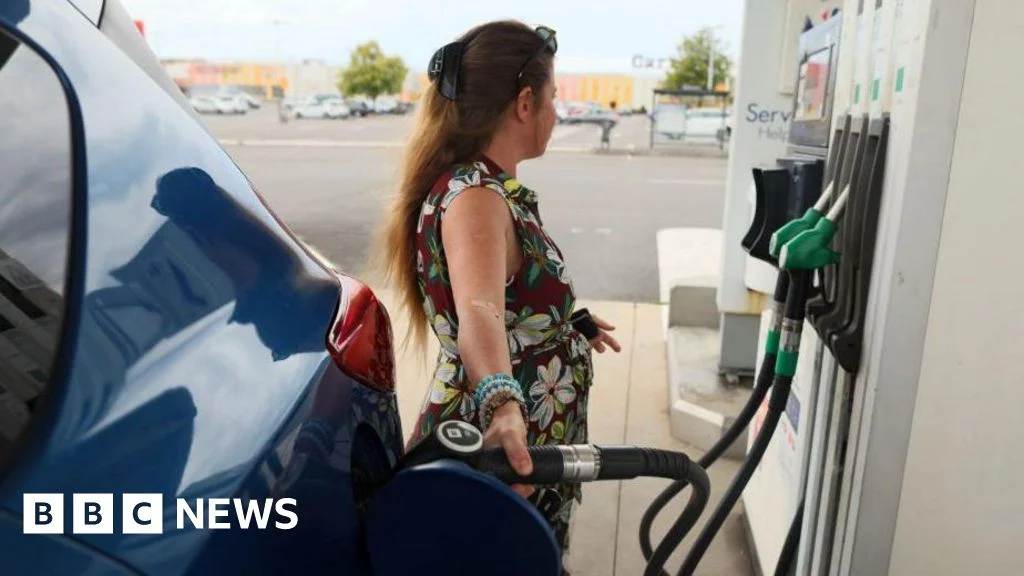
The global energy markets, still reeling from weeks of intense geopolitical friction, witnessed another dramatic swing as Brent crude oil prices surged back above the critical $100 per barrel mark. This sharp rebound on Tuesday followed a precipitous drop on Monday, with the volatility directly linked to conflicting narratives emanating from Washington and Tehran regarding potential diplomatic engagement. On Tuesday morning in Asian trading hours, the international benchmark Brent crude futures soared by 4%, reaching $103.94 (£77.57) a barrel. Simultaneously, the US benchmark, Nymex Light Sweet crude (also known as West Texas Intermediate or WTI), mirrored this upward trend, climbing by 4.1% to settle at $91.75.
This resurgence in oil prices marked a significant reversal from Monday’s trading session, which saw Brent crude plummet by more than 10%. That earlier plunge was triggered by statements from US President Donald Trump, who indicated a delay in threatened strikes on Iranian power plants. Trump had claimed that Washington had engaged in "productive" conversations with Tehran, suggesting a path towards de-escalation and a "COMPLETE AND TOTAL" resolution to the escalating crisis. His remarks had initially spurred a wave of optimism across financial markets, leading to a rebound in global stock indices and a sharp decrease in oil’s geopolitical risk premium.
However, the market’s brief respite was shattered when Tehran swiftly and emphatically rejected any claims of direct contact or negotiations with Washington. Iranian officials, including spokespersons from the Foreign Ministry, denounced the US assertions as a blatant attempt to manipulate global energy markets and ease the economic pressure that had been mounting due to the ongoing conflict. This direct contradiction from Iran reignited fears of sustained tension and potential military escalation in the Middle East, directly fueling Tuesday’s oil price rally. The stark difference in accounts underscored the deep mistrust and communication breakdown between the two adversaries, leaving investors grappling with profound uncertainty.
The immediate backdrop to this latest episode of market volatility was President Trump’s stern ultimatum issued on Saturday. He had publicly threatened to "obliterate" Iranian power plants if the crucial Strait of Hormuz shipping route, which Iran had effectively blocked since February 28th, was not reopened within 48 hours. In response, Iran had vowed to target key infrastructure across the region should such an attack occur, signaling a readiness to retaliate forcefully. These belligerent exchanges had sent shivers through global markets over the weekend, pushing the price of Brent crude to a staggering $113 a barrel by Monday’s open, reflecting the extreme geopolitical risk premium attached to oil supplies.
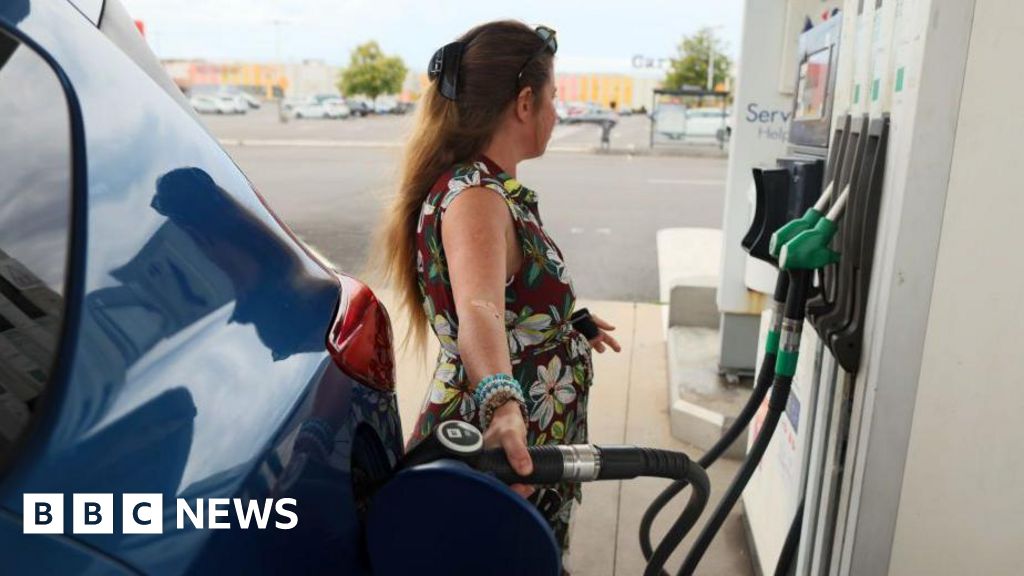
The Strait of Hormuz is not merely a shipping lane; it is a choke point of immense strategic and economic importance, often described as the world’s most critical oil transit bottleneck. Approximately 20% of the world’s total petroleum consumption and a significant portion of its liquefied natural gas (LNG) typically passes through this narrow waterway, connecting the Persian Gulf to the open ocean. Its closure since the conflict began on February 28th has had profound ramifications, disrupting global supply chains and causing global fuel prices to soar dramatically. Nations heavily reliant on these energy flows, particularly in Asia, have been grappling with the economic fallout.
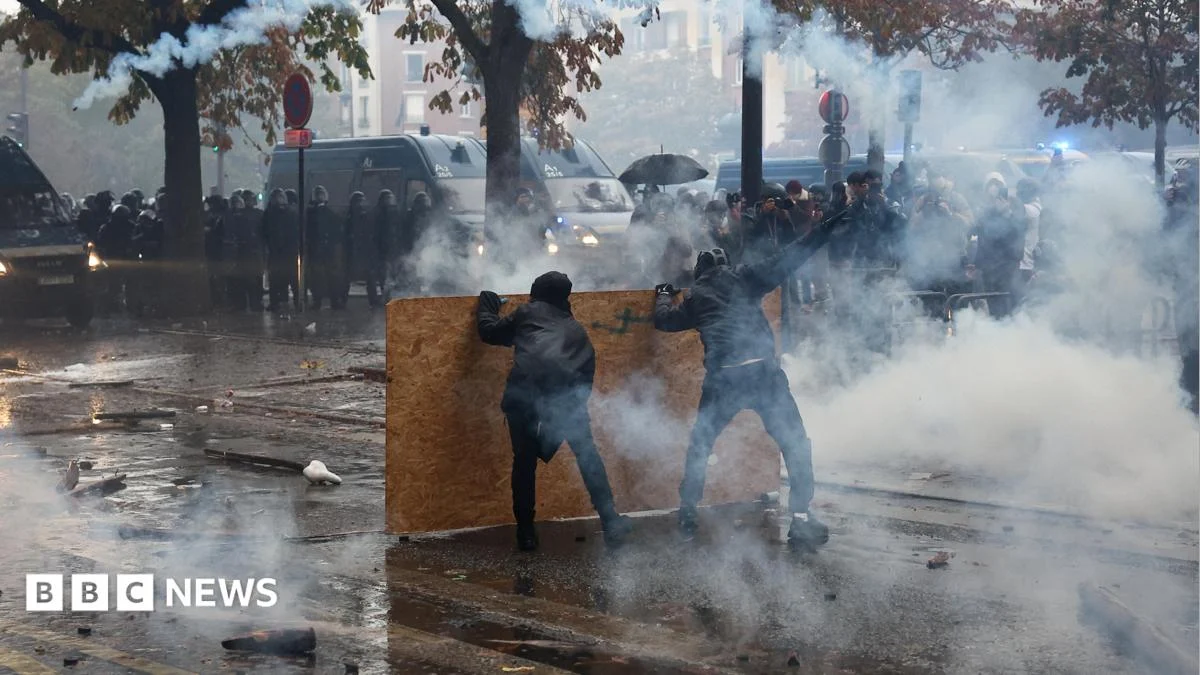
The "war" that began on February 28th, mentioned in the original report, refers to a period of intense military actions initiated by the US and Israel against Iran, which subsequently led to Iran’s retaliatory blockade of the Strait of Hormuz. This series of events rapidly transformed regional tensions into an active conflict, fundamentally reshaping the dynamics of global energy security. The ensuing disruptions and the threat of further escalation have kept global energy markets in a state of extreme flux, with prices reacting sharply to every statement and development.
Despite the renewed surge in oil prices, Asian stock markets, which had been significantly impacted by the conflict in recent weeks due to their heavy dependence on energy supplies transiting the Strait, showed a degree of relative stability on Tuesday. In morning trading, Japan’s benchmark Nikkei 225 index rose by 0.8%, Hong Kong’s Hang Seng index gained 1.6%, and South Korea’s Kospi advanced by 2.2%. This performance contrasted sharply with Monday’s steep declines, when the initial news of the Strait’s closure and the threat of war had sent these indices tumbling. The Tuesday rebound, even amid oil price volatility, might suggest that investors in Asia were cautiously processing the conflicting claims, perhaps clinging to a glimmer of hope for a diplomatic resolution despite Iran’s denials, or adjusting to a "new normal" of elevated risk.
In an effort to mitigate the severe economic impact of higher energy prices and widespread supply disruptions, countries around the world have begun implementing various measures. The United States, for instance, took the extraordinary step of temporarily waiving sanctions on Russian and Iranian oil cargoes already at sea. This pragmatic move was aimed at easing immediate supply shortages and preventing a further dramatic spike in global crude prices, which could have devastating consequences for the global economy. This highlights the severity of the crisis, forcing traditional geopolitical adversaries to implicitly cooperate on energy supply.
Beyond these immediate measures, the broader economic implications of sustained high oil prices are a major concern. Elevated energy costs feed directly into inflationary pressures across economies, impacting everything from transportation and manufacturing to consumer goods. Households face higher costs at the pump and for heating, while businesses grapple with increased operational expenses. Central banks, already battling inflation in many regions, find their task complicated further by an external energy shock, potentially forcing them to consider more aggressive monetary tightening that could dampen global economic growth.
Energy market analysts are largely predicting continued volatility. The geopolitical risk premium, which reflects the perceived risk of supply disruptions due due to political instability, remains a dominant factor in current oil pricing. Experts suggest that until there is a clear and verifiable de-escalation of tensions between the US and Iran, or a definitive resolution regarding the Strait of Hormuz, oil prices will remain highly sensitive to news and rumors. Potential scenarios range from a prolonged standoff, which would keep prices elevated, to further military engagement, which could send them spiraling even higher. Conversely, any credible sign of genuine diplomatic progress could trigger another sharp decline.
The current situation underscores the fragility of global energy markets in the face of geopolitical conflict. The conflicting narratives surrounding US-Iran talks have only added another layer of complexity to an already volatile environment. While the US claims of "productive" conversations might have been an attempt to signal de-escalation or test the waters for future dialogue, Iran’s outright rejection highlights the deep-seated mistrust and its resolve to maintain a firm stance. As the Strait of Hormuz remains effectively blocked and the active conflict continues, the world watches nervously, acutely aware that the stakes for global energy security and economic stability could not be higher.



 George Anjay
 atisusanti
 Ramos Leo