
 Roy Suryo
Havana, Cuba – The once-vibrant hum of Havana is now punctuated by an unsettling silence, a chilling testament to the crippling power outages that have plunged Cuba into an unprecedented crisis. For expectant mothers, this darkening landscape is not just a backdrop to their pregnancies but a stark reality casting a long shadow over the impending arrival of their children. The near-total fuel blockade imposed by the Trump administration, now in its third month, has choked the island’s already fragile economy and crippled its vital infrastructure, leaving those on the cusp of new life facing a future shrouded in uncertainty.
Mauren Echevarría Peña, 26, a resident of Havana, finds herself in a precarious situation within the specialized maternity and neonatal hospital, Ramön Gonzàlez Coro. Her first pregnancy, already complicated by gestational diabetes and chronic hypertension, is nearing its due date. The constant supervision and weeks of bed rest have been arduous, but the looming prospect of giving birth during rolling blackouts and prolonged power cuts adds a layer of profound anxiety. Just over the weekend, the nation experienced another catastrophic collapse of its aging electrical grid, a grim reminder of the instability that now defines daily life.
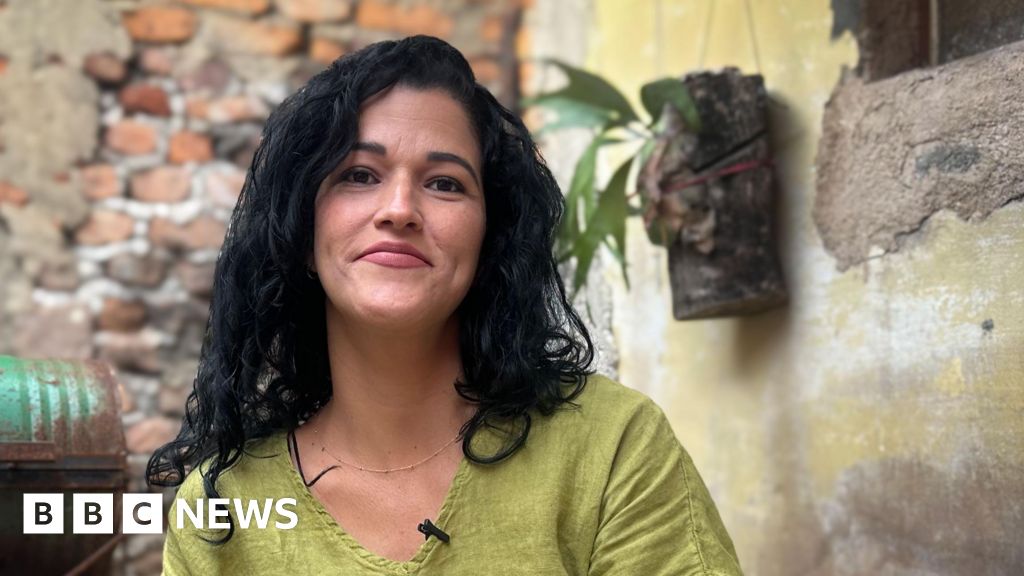
Despite these formidable challenges, Mauren expresses deep gratitude for the unwavering dedication of the medical staff. The BBC was granted rare access to the state-run facility as international solidarity movements delivered crucial aid. "They have done everything they can for me at the hospital," Mauren stated, her voice tinged with both apprehension and resilience. "They’ve given me the medicines and insulin I need for the health of the baby and the placenta." She maintains a defiant spirit, believing Cuba will always "find a way to move forward," yet admits to profound worry about the possibility of labor striking during a blackout. Government statistics reveal that approximately 32,800 pregnant women are currently in Cuba, and unlike Mauren, most have not benefited from the consistent state support she has received.
In a Havana suburb, Indira Martínez, seven months pregnant, faces a daily struggle for basic necessities. The persistent power outages have rendered her electric stove useless, leaving her fridge empty and her options for sustenance severely limited. Her husband, a blacksmith, provides the family’s sole income, a modest sum that barely stretches to cover their needs. "You must get up in the small hours when the power comes back on to cook whatever is available," Indira explained, her usual good nature strained by the circumstances. "And often it doesn’t contain the vitamins and proteins I need – and it definitely doesn’t cover my increased appetite because of the pregnancy."
Indira, a former hair stylist who cannot work due to pregnancy-related chemical exposure, reflects on her own health struggles. In her first trimester, she battled chikungunya, a debilitating mosquito-borne disease that left her so weak she could barely walk. Thankfully, doctors confirmed her baby girl, to be named Ainoa, remained healthy. Her mother, a retired nurse, voices deep concern over Indira’s reduced caloric intake and heightened stress levels during these critical final weeks.
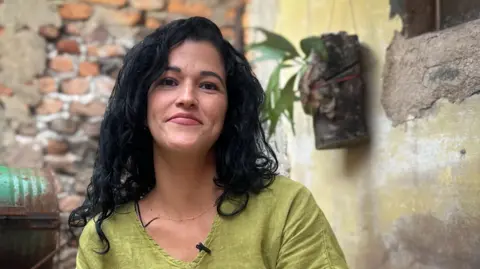
The narrative of hardship is amplified by the external pressures on Cuba. The Trump administration’s stringent fuel blockade, which includes threats of tariffs against countries like Mexico for sending fuel shipments, has exacerbated the island’s energy crisis. While Mexico has responded with humanitarian aid, including powdered milk intended for pregnant mothers, Indira reports receiving none of it, nor any additional state support. "My husband and I didn’t enter this pregnancy irresponsibly," she stated, a hint of defiance in her voice. "We did it knowing full well that we can’t rely on any help from the government. It’s just us against the world!" Their only recourse, she adds, is prayer.
Like Mauren, Indira is consumed by fears that extend beyond the immediate birth. She envisions herself in labor, the dimly lit hospital ward illuminated only by the flickering glow of mobile phones. While hospitals are equipped with generators, the scarcity of fuel to operate them is a constant threat. The prospect of her daughter, Ainoa, entering a Cuba with diminished opportunities weighs heavily on Indira’s mind. "How am I going to tell her she has no prospects in life? Because she won’t have any," she declared with a profound sense of resignation.
The once-lauded pillars of the Cuban Revolution, such as education, have visibly deteriorated due to underinvestment and a dwindling number of qualified teachers. The dire economic climate compels young Cubans to seek alternative means of income, a stark departure from the island’s socialist ideals. Indira, a trained IT systems technician before turning to hairdressing, and her husband, an accountant who now works as a blacksmith, exemplify this shift. "As a parent, one would like to offer your child a real life and to motivate them," Indira lamented. "But I have no basis to tell her that she has a meaningful future ahead of her or can maximise her full intellectual capacity. If I say that, I’ll be lying. She’ll have no opportunity for growth here, none."
This stark reality casts a pall over what should be a period of anticipation and joy. Cuba faces a demographic challenge: an aging population, a critically low birth rate, and significant outward migration. The nation desperately needs its young people to embrace parenthood. However, even before the current fuel blockade, many young Cubans were reconsidering starting families on the island. Mauren’s baby boy, and likely Indira’s daughter, are set to be born into arguably the most challenging period in modern Cuban history, a future dimmed by darkness and uncertainty. The recurrent blackouts have proven particularly devastating for mothers with newborns and the elderly, underscoring the profound humanitarian crisis unfolding on the island.




 Nakalama John
 atisusanti
 Ramos Leo
