
 atisusanti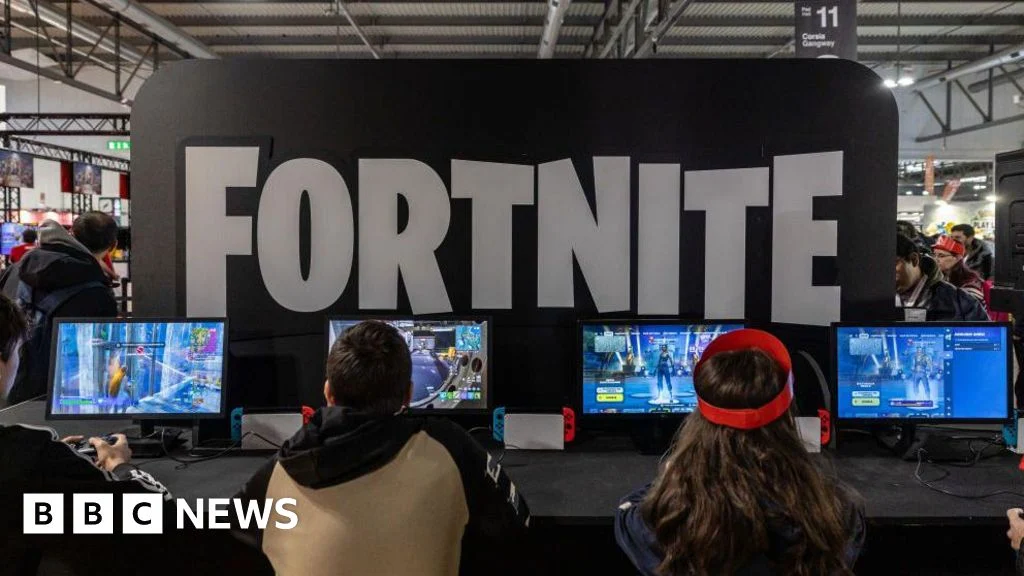
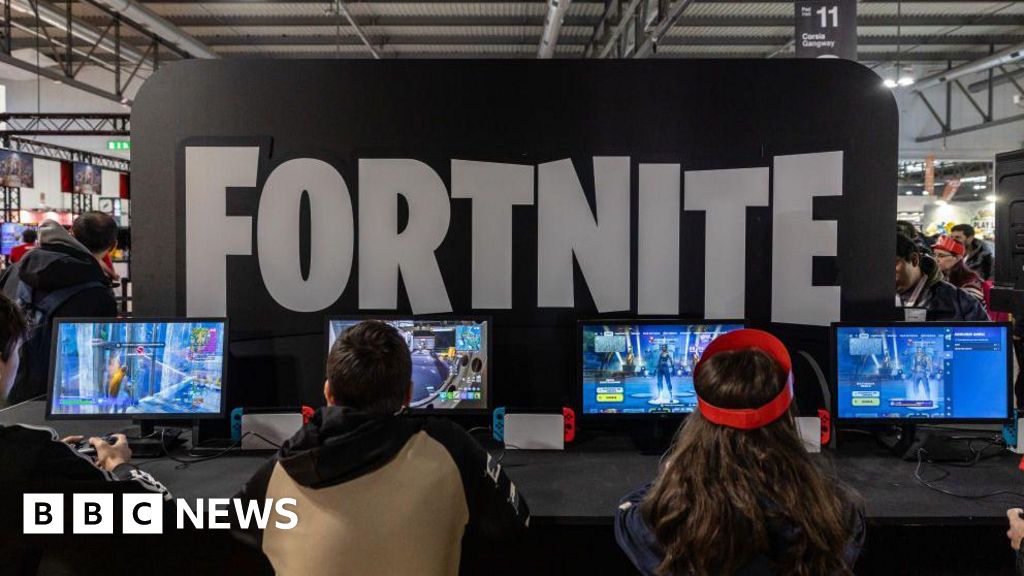
In a significant and concerning development for the gaming industry, Epic Games, the powerhouse behind the globally popular battle royale title Fortnite, has announced a sweeping wave of layoffs, impacting approximately 1,000 employees. This latest round of job cuts, revealed in a candid internal memo from CEO Tim Sweeney, underscores a period of considerable financial strain and strategic recalibration for the company. The announcement, made on a Tuesday, paints a stark picture of a company grappling with shifting player engagement and broader economic headwinds, necessitating drastic measures to ensure long-term financial stability.
The core driver behind these extensive layoffs, as articulated by Sweeney, is a discernible decline in player engagement with Fortnite, a trend that reportedly began to manifest in 2025. This slowdown in user interaction has resulted in the company "spending significantly more than we’re making," a situation that has compelled Epic Games to implement "major cuts to keep the company funded." The memo, which was subsequently published on Epic’s official website, highlighted that these layoffs, coupled with an identified $500 million in cost savings across various operational segments, are intended to steer the company towards a "more stable place." This move signifies a critical juncture for Epic, which has long been a dominant force in the digital entertainment landscape.
Beyond the specific performance of Fortnite, Sweeney acknowledged that Epic Games is navigating a confluence of industry-wide challenges. These include a general slowdown in growth across the gaming sector, a weakening of consumer spending on digital goods and services, and an intensifying battle for user attention against a diverse array of competing media platforms. The gaming industry, once characterized by relentless expansion, is now facing a more mature and competitive environment, where maintaining user loyalty and monetization requires constant innovation and strategic adaptation.
However, Sweeney also pointed to "unique" struggles that are specific to Epic Games, even amidst the enduring popularity of Fortnite. These internal challenges are multifaceted and include the ongoing effort to consistently deliver "Fortnite magic with every season," a task that demands continuous creative output and development resources. Furthermore, the company has been contending with providing a "full mobile experience for smartphone users," a goal that has been complicated by protracted legal battles with tech giants Apple and Google. These disputes, centered on Epic’s attempts to circumvent app store restrictions and offer its games directly on mobile devices, have undoubtedly consumed significant resources and diverted attention from core development. Sweeney framed these legal entanglements as a necessary part of being "the industry’s vanguard," asserting that Epic has "taken a lot of bullets in a battle which is only in the early days of paying off for ourselves and all developers." This suggests a long-term vision for platform independence and a more open digital ecosystem, even at considerable short-term cost.
In a point of clarification aimed at dispelling potential speculation, Sweeney explicitly stated that the recent layoffs are "not related to AI." He emphasized that the company remains committed to embracing artificial intelligence, viewing it as a tool to "improve productivity" and enable "as many awesome developers developing great content and tech as we can." This assertion is significant, given the widespread adoption and discussion of AI technologies across various industries, including gaming, where AI is being explored for content generation, development assistance, and player experience enhancement. Epic’s stance suggests that its current financial woes are rooted in more traditional business challenges rather than a premature pivot away from AI development.
This is not the first instance of significant workforce reductions at Epic Games in recent years. The company had previously undergone layoffs, leading Sweeney to express his regret, stating, "I’m sorry we’re here again." This repetition of substantial job cuts signals a persistent need for cost management and strategic adjustments, even for a company with such a prominent and successful flagship product. The emotional toll of repeated layoffs on employees and company culture is a significant factor, and Sweeney’s apology reflects an awareness of this impact.
The layoffs at Epic Games are occurring within a broader context of widespread workforce reductions across the entire gaming sector. This trend has affected developers at studios of all sizes, from industry titans to independent game makers. The current economic climate, coupled with evolving consumer preferences and the increasing cost of game development, has created a challenging environment for many companies in the industry.
Illustrating this wider trend, Electronic Arts (EA), another major player in the gaming world, announced its own round of cuts in early March. These reductions specifically impacted teams working on EA’s highly anticipated Battlefield game series. In a statement to the BBC, EA explained that these changes were made to "better align our teams around what matters most to our community," a common rationale for restructuring and downsizing in large corporations. The Battlefield series, while having a dedicated fanbase, has faced its own set of challenges in recent years, including evolving player expectations and intense competition within the shooter genre.
The cumulative effect of these layoffs across the gaming industry paints a picture of a sector undergoing significant transformation. Factors such as the increasing expense of AAA game development, the saturation of the market, and the need for continuous content updates to retain player engagement are all contributing to this period of consolidation and cost-cutting. Companies are being forced to make difficult decisions to streamline operations, focus on core revenue streams, and adapt to a rapidly changing technological and economic landscape. The situation at Epic Games, given its immense success with Fortnite, serves as a potent indicator of the pervasive pressures affecting even the most dominant entities in the digital entertainment space. The future trajectory of Epic Games and the wider gaming industry will likely be shaped by how effectively companies can navigate these complex challenges and foster sustainable growth in an increasingly dynamic market.




 George Anjay
 Nakalama John
 Ramos Leo
 Roy Suryo
 Nana Banana