Nana Banana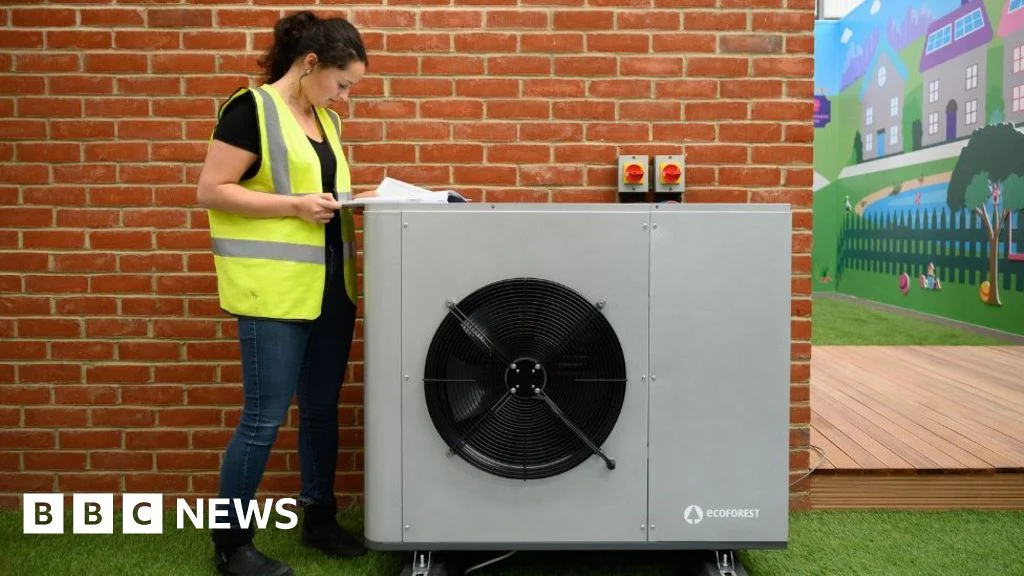
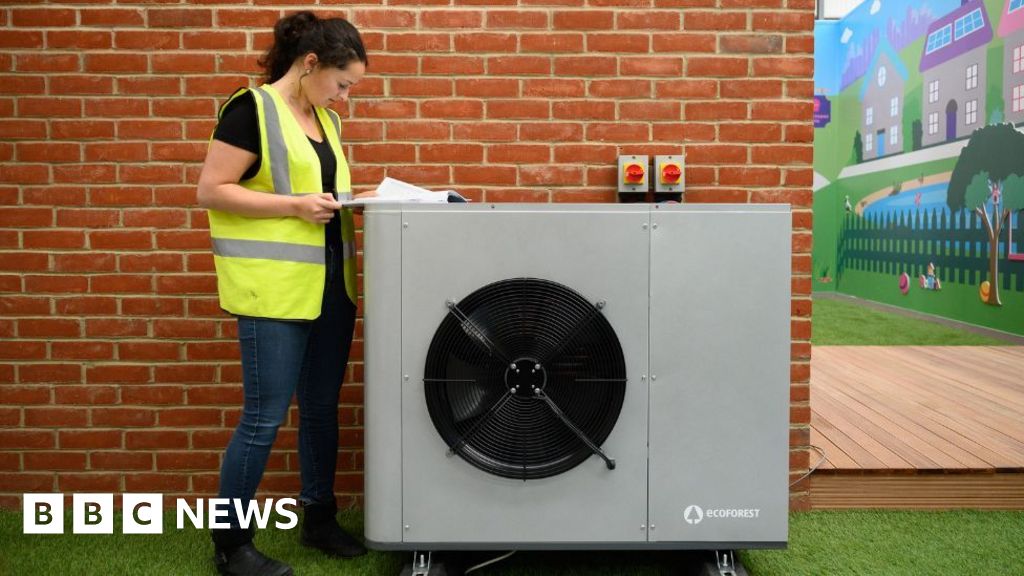
The newly unveiled plan details the Scottish government’s roadmap for replacing conventional gas and oil-fired boilers with more sustainable alternatives, such as heat pumps, across residential and commercial properties. However, the proposed timeline for this crucial shift has been flagged as a point of significant contention. Just last month, the independent Climate Change Committee (CCC), a statutory advisory body, expressed serious reservations about the Scottish government’s proposed pace, branding it "too slow" and warning of "significant risk" to the nation’s overarching climate targets. The CCC’s assessment highlighted concerns that delaying the widespread adoption of heat pump technology could jeopardize Scotland’s ability to meet its interim emissions reduction milestones and ultimately its 2045 net-zero goal.
The government, in defense of its strategy, maintains that its plan is economically sound and environmentally responsible. Ministers assert that the transition will not only lead to the complete decarbonisation of heating by 2045 but will also serve as a catalyst for economic growth, creating new jobs within the green energy sector, reducing household energy bills in the long run, and shielding consumers from the notorious volatility of global fossil fuel prices. Despite these assurances, critics point to the detailed figures within the plan itself, which reveal that the most substantial reductions in heating emissions are not projected to materialize until after 2035, implying a back-loaded approach that leaves little room for error or unforeseen delays.
Environmental campaigners have been vocal in their demands for more immediate and ambitious action. They contend that to remain on track with Scotland’s climate commitments, an estimated 110,000 heat pumps must be installed over the next five years alone. The targets outlined in the newly published climate change plan, however, reportedly fall considerably short of this crucial benchmark, intensifying concerns among advocacy groups about the government’s perceived lack of urgency.
A key structural change underpinning this new climate change plan is the Scottish government’s decision to move away from annual targets for reducing planet-warming greenhouse gas emissions. Instead, the nation will now adopt five-yearly carbon budgets, a methodological shift that aligns Scotland with the approach taken by other UK governments in measuring and managing emissions. This change is intended to provide greater flexibility, allowing for natural annual fluctuations in emissions, such as increased gas demand for home heating during exceptionally cold winters, without derailing long-term climate objectives.
Beyond the contentious heat pump timeline, the Scottish government’s climate change plan projects substantial economic and environmental dividends. It forecasts an impressive £42.3 billion in financial benefits and cost savings between the present day and 2040. These benefits are expected to arise from a combination of technological innovation, reduced reliance on imported fossil fuels, and the burgeoning green economy. The plan outlines a range of additional ambitious actions designed to accelerate Scotland’s decarbonisation journey. These include a firm commitment to phasing out the need for new petrol and diesel cars by 2030, a move that will necessitate significant investment in electric vehicle infrastructure and a shift in consumer behavior. Furthermore, the plan aims to deliver 18,000 hectares of new woodland annually, a crucial measure for enhancing carbon sequestration, alongside an increased focus on peatland restoration, which is vital for preserving these significant natural carbon sinks and protecting biodiversity.
The publication of Scotland’s climate plan followed closely on the heels of similar announcements from the UK government concerning England. The UK government recently confirmed that developers in England would soon be mandated to install solar panels and heat pumps in all new homes, signifying a broader, coordinated push towards sustainable building practices across the UK. In a further move to empower individual homeowners, the UK government also announced that plug-in solar panels, which can be self-installed on balconies or in gardens, are expected to become widely available in supermarkets in the coming months. While these smaller versions of green technology are already common across continental Europe, their widespread adoption in the UK has been hindered by existing safety regulations, which the government is now working to address.
In contrast, Scotland has already demonstrated proactive leadership in certain areas of green infrastructure. The installation of gas and oil-based heating systems in new build homes was effectively banned in Scotland two years ago, placing the nation ahead of much of the rest of the UK. The "New Build Heat Standard" dictates that all new residential properties must incorporate "climate-friendly" heating systems, which can encompass a range of technologies including heat pumps, district heating networks, or even certain types of wood burners. This early policy intervention has contributed to Scotland’s current lead in heat pump adoption, with an encouraging 18% increase in installations recorded between 2023 and 2024, indicating a positive trajectory despite the broader concerns about the pace of future rollout.
Gillian Martin, Scotland’s Climate Action Secretary, passionately defended the climate change plan, describing it as "a routemap to realising economic and social gains for people across Scotland as part of a fair and just transition." She emphasized the plan’s potential to unlock growth in key sectors such as renewables, heat networks, and the circular economy, and reiterated the government’s commitment to increasing investment in areas that promise both decarbonisation and an improved quality of life for Scottish citizens. Her statement underscored the administration’s vision of a transition that benefits all segments of society, ensuring that the move to a greener economy is equitable and inclusive.
However, the plan’s reception from opposition parties and environmental groups was far from universally positive, highlighting the deep divisions and ongoing debate surrounding Scotland’s climate ambitions. Environmental campaigners, while acknowledging some positive elements, largely called for more immediate and aggressive action, urging all political parties to elevate their climate commitments.

Patrick Harvie, the Scottish Greens net zero spokesperson, expressed particular dismay, labeling it "extraordinary" that the government had "made no meaningful change to any actual climate policy, after the draft plan was widely dismissed as lacklustre." His criticism suggested that the final plan failed to incorporate significant revisions or enhanced ambition despite widespread feedback and expert advice, indicating a missed opportunity for stronger climate leadership.
Conversely, Scottish Conservative energy spokesman Douglas Lumsden adopted a different line of attack, dismissing the plan as "another uncosted SNP plan which will make hard-pressed Scots poorer." His comments reflect concerns about the financial implications for households and businesses, questioning the feasibility and economic impact of the proposed measures without clear, detailed costing. This critique often targets the perceived burden on taxpayers and the potential for increased costs to be passed on to consumers.
Meanwhile, Scottish Labour’s net zero and energy spokeswoman, Sarah Boyack, focused on the need for effective governance and execution. She stated, "It is crucial that the next Scottish government has strong leadership and focuses on delivery." Boyack’s remarks subtly critiqued the current administration’s ability to translate policy into tangible results, emphasizing the importance of robust implementation to achieve climate objectives rather than just setting targets.
The debate surrounding Scotland’s climate change plan underscores the complex challenges inherent in transitioning to a low-carbon economy. While the long-term vision of decarbonising heating by 2045 is clear, the pace and method of achieving this, particularly the significant ramping up of heat pump installations, remain a point of intense scrutiny. The government faces the delicate task of balancing ambitious climate targets with economic realities, infrastructure development, public acceptance, and the need for a skilled workforce capable of delivering the necessary changes. The coming years will reveal whether Scotland’s cautious but steady approach will be sufficient to meet its climate obligations, or if the call for faster, more decisive action will gain greater traction.



 George Anjay
 Nakalama John
 atisusanti
 Ramos Leo