
 Nana Banana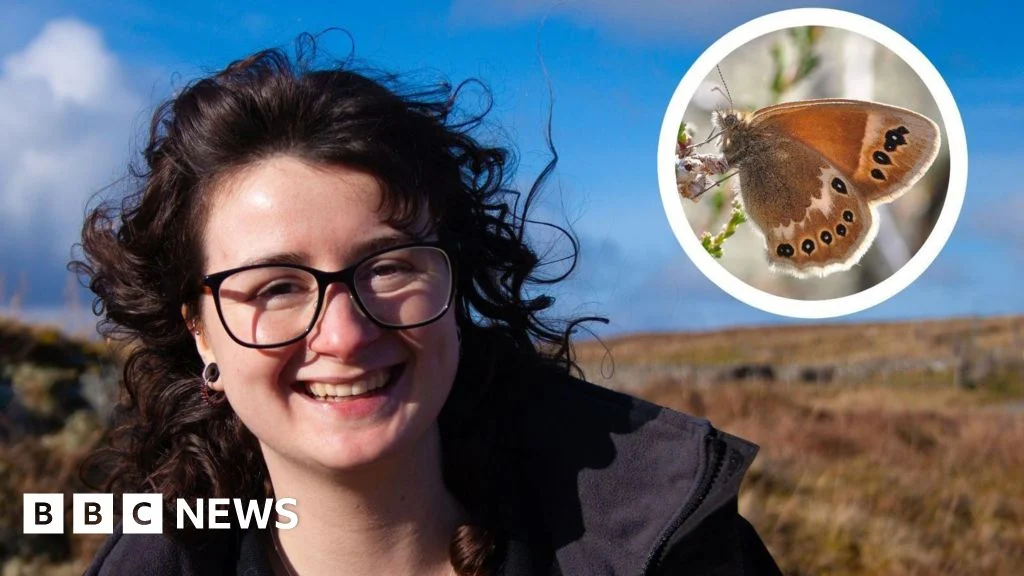
Peat bogs are not merely damp landscapes; they are ancient, intricate ecosystems that play an extraordinarily crucial role in regulating the Earth’s climate. When these vast wetlands remain wet, they function as immense natural carbon sinks, storing more carbon than all other vegetation types combined. Over millennia, partially decomposed organic matter accumulates, effectively locking away atmospheric carbon within their saturated depths. However, this delicate balance is increasingly threatened by rising global temperatures, which can lead to increased evaporation and more frequent or intense droughts. As peat bogs dry out, they begin to oxidize, releasing vast quantities of stored carbon in the form of carbon dioxide and methane – potent greenhouse gases – back into the atmosphere, thereby accelerating the very climate change they once helped to mitigate. The health of these peatlands is therefore directly linked to the stability of our global climate.
Georgina Paul, based near the scenic Blaenau Ffestiniog in Gwynedd, has been tirelessly counting large heath butterfly populations across hundreds of square kilometers of vital peatland habitat since the project commenced last year. Her meticulous work involves traversing challenging terrain, often in remote areas, to gather essential data. This comprehensive study, slated to run until May 2027, meticulously covers all protected areas in Wales where the large heath butterfly is known to thrive. These crucial habitats include the nationally significant Cors Caron near Tregaron in Ceredigion, the ecologically rich Afon Eden in Gwynedd, the rugged and expansive Berwyn Range in north-east Wales, and the unique Fenn’s, Whixall and Bettisfield Mosses National Nature Reserve, which straddles the Wrexham-Shropshire border. Each of these sites represents a vital stronghold for the species and a key area for peatland conservation.
Describing these unique environments, Georgina remarked, "Peat bogs are weird and wonderful places, with fantastic wildlife like carnivorous plants, large heath butterflies and emperor moths, but looking after them well will also help us tackle the global challenge of climate change by keeping carbon in the ground." Her words underscore the dual benefit of peatland conservation: protecting unique biodiversity while simultaneously addressing the urgent climate crisis. The large heath butterfly, with its specific habitat requirements, offers a practical and accessible means to monitor the condition of these often-remote and challenging landscapes.
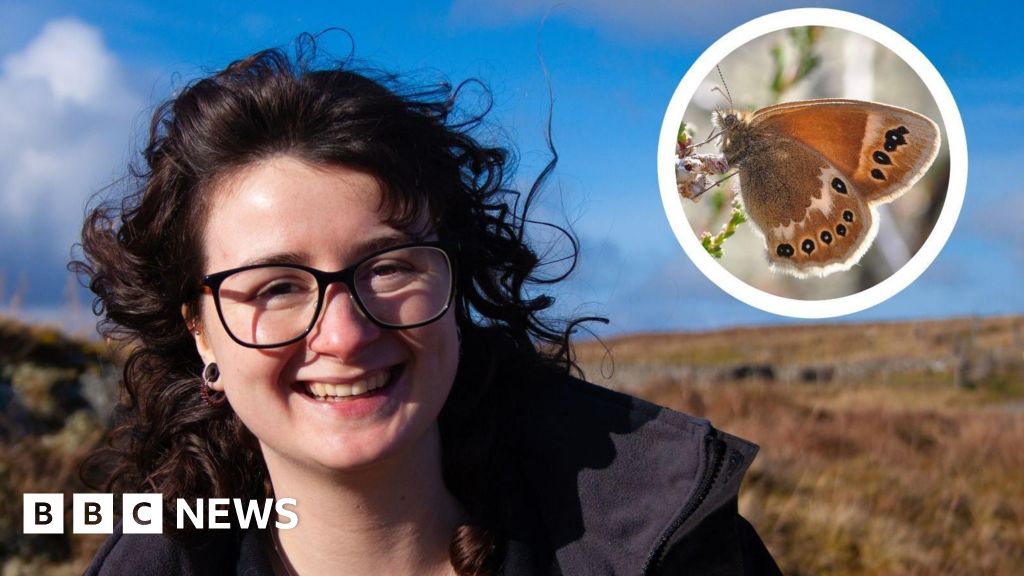
The core premise of the study is to establish a robust correlation between large heath butterfly populations and the overall health of peat bogs. Georgina elaborated on the potential impact of her findings: "If we can show that large heath is a reliable indicator of peat bog health then we can be confident that our volunteers don’t need to be technical experts to make a big impact. Going out to count the butterfly each summer could provide us with invaluable data to monitor the condition of this environment and plan how to protect it." This highlights the significant potential for citizen science, empowering local communities and volunteers to contribute meaningfully to national conservation efforts, transforming complex ecological monitoring into an accessible and engaging activity.
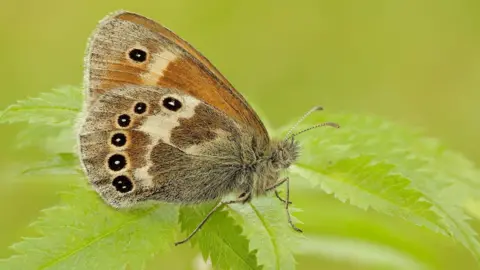
The large heath butterfly (Coenonympha tullia) is a distinctive, medium-sized butterfly characterized by its chestnut-colored wings adorned with striking black eye spots, often ringed with yellow or white. Its distribution in Britain is primarily restricted to wet, boggy habitats in northern Britain, Ireland, and a few isolated, fragmented areas of Wales and central England. A crucial aspect of its life cycle is its highly specialized diet: the caterpillars of the large heath butterfly exclusively feed on one particular plant – hare’s-tail cottongrass (Eriophorum vaginatum) – which itself is a keystone species found almost exclusively in healthy, acidic peat bogs. This obligate relationship makes the butterfly exceptionally vulnerable to any changes in its peatland habitat, particularly those affecting the availability or health of its larval food plant.
Historically, numbers of the large heath butterfly have plummeted significantly across England and Wales throughout the 20th Century. This drastic decline is primarily attributed to extensive habitat damage, including the drainage of peatlands for agriculture, forestry, and peat extraction, as well as changes in land management practices. Consequently, the species is now formally listed as endangered, underscoring the urgency of conservation efforts. The current study aims to reverse this trend by understanding the precise conditions required for its survival and proliferation.
A crucial component of Georgina’s project involves the training and deployment of volunteers to carry out systematic monitoring. This involves weekly walks along fixed routes, known as transects, during the butterfly’s flight season to accurately count individuals. This standardized approach ensures consistency and allows for meaningful data comparison over time and across different sites. Georgina is particularly keen on identifying specific indicators where ongoing peatland restoration work is demonstrably improving the habitat for the large heath. The ultimate goal is that the project’s findings will provide robust evidence to help landowners and conservation bodies manage peat bogs more effectively, fostering environments where the large heath can thrive.
The study is strategically focusing its efforts largely on sites where significant peatland restoration work has already been undertaken. This allows researchers to assess the efficacy of various restoration techniques and understand how quickly and effectively these interventions benefit biodiversity. In a forward-looking approach, the project is also trialing the innovative use of drones. These aerial platforms are being deployed to map vast peat bog habitats and identify key plant species, such as hare’s-tail cottongrass, more quickly and accurately than traditional ground-based surveys. This technological integration promises to enhance the efficiency and scope of ecological monitoring.
The Welsh government has demonstrated its strong commitment to this vital conservation initiative by awarding a substantial sum of £249,000 towards the project, with additional support from lottery funding. This financial backing underscores the national recognition of peatlands’ ecological and climatic importance. The project is also a testament to collaborative conservation, involving key partners such as the Royal Society for the Protection of Birds (RSPB), the National Trust, and Natural Resources Wales. These organizations bring invaluable expertise, resources, and land management experience to the table. However, a significant challenge remains the fact that much of the land within the large heath’s range is privately owned, necessitating extensive engagement and cooperation with individual landowners.
Despite the inherent difficulties and the vastness of the areas being surveyed, Georgina’s dedication remains unwavering. She acknowledges the gaps in current knowledge, stating, "We’ve got huge blanks on the map – for some of these sites we haven’t had records for 25 years." This highlights the critical need for updated data to inform conservation strategies. Her determination is palpable as she adds, "If we get glorious summer weather and I can go out and visit sites five days a week then I will." This personal commitment is a driving force behind the project’s success, ensuring that as much data as possible is collected during the short flight season of the butterfly.
Peatland restoration is a pivotal process aimed at reversing the degradation of these vital ecosystems and returning them to a healthy, naturally waterlogged state. In Wales, peatlands cover approximately 4% of the land area, equating to about 90,000 hectares. Tragically, a significant proportion of these have been historically drained or otherwise degraded, leading to their drying out and a severe reduction in their capacity to store carbon. Restoration efforts primarily focus on rewetting the land, often through blocking drainage ditches, creating bunds, or raising water tables. This rewetting allows the peat to once again become saturated, enabling it to function naturally as a carbon sink and a thriving habitat.
When peatlands are successfully restored, the benefits are multifaceted and far-reaching. They regain their ability to lock away carbon, actively contributing to climate change mitigation. Simultaneously, they provide crucial habitats for rare and specialized plants and wildlife, including the large heath butterfly. Furthermore, healthy peat bogs often sit at the tops of river catchments, playing an indispensable role in the condition and functioning of downstream rivers. They contribute significantly to improving water quality, enhancing drinking water supplies by filtering pollutants, and providing natural flood prevention by slowing the flow of water during heavy rainfall events. Consequently, investing in peatland restoration represents a relatively simple, yet profoundly cost-effective, way to protect both nature and the wider environment, offering a powerful natural solution to some of the most pressing ecological and climatic challenges of our time. The large heath butterfly, through Georgina Paul’s dedicated study, may well become the invaluable indicator that guides these crucial efforts.



 George Anjay
 Nakalama John
 atisusanti
 Ramos Leo
 Roy Suryo