
 Ramos Leo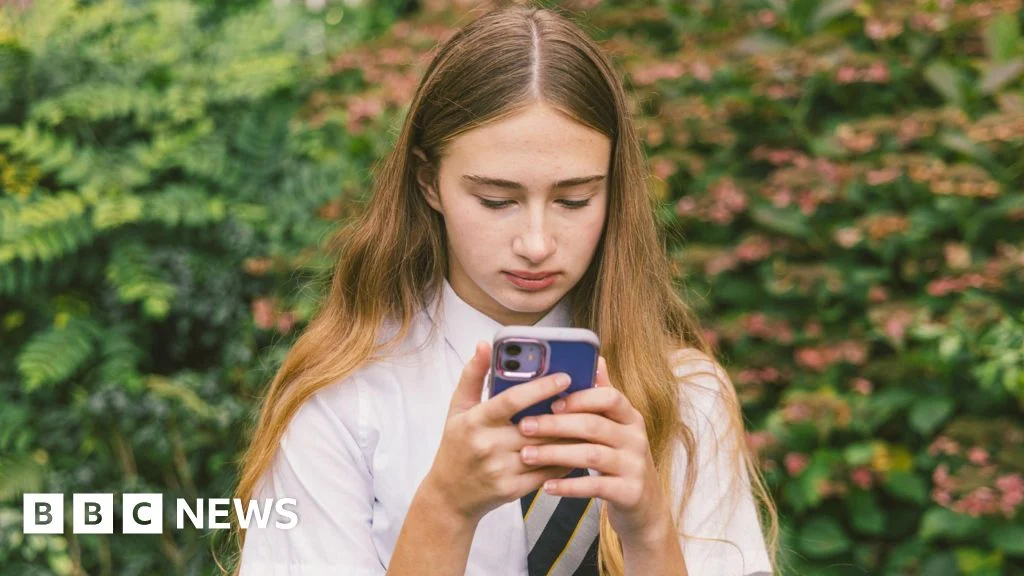
The trial involves approximately 300 teenagers whose digital habits will be meticulously observed and analyzed. Participants will be divided into distinct groups: some will have their social media applications entirely disabled, effectively simulating an outright ban; others will face a digital curfew, rendering apps inaccessible during specific overnight hours; a third group will be limited to just one hour of social media use per day; while a control group will experience no changes to their access, providing a baseline for comparison. This structured approach is designed to provide robust data on the varied impacts of different intervention strategies.
This pilot scheme runs concurrently with a broader government consultation, which is actively seeking public opinion on whether the UK should implement legislation making it illegal for individuals under the age of 16 to access many social media sites. This consultation, open until May 26, reflects a growing global concern, with countries like Australia already having enacted similar bans, and France, Spain, and Indonesia actively considering following suit. Technology Secretary Liz Kendall underscored the purpose of these trials, stating they are about "testing different options in the real world" to gain the necessary evidence, "informed by the experiences of families themselves," before taking decisive next steps.
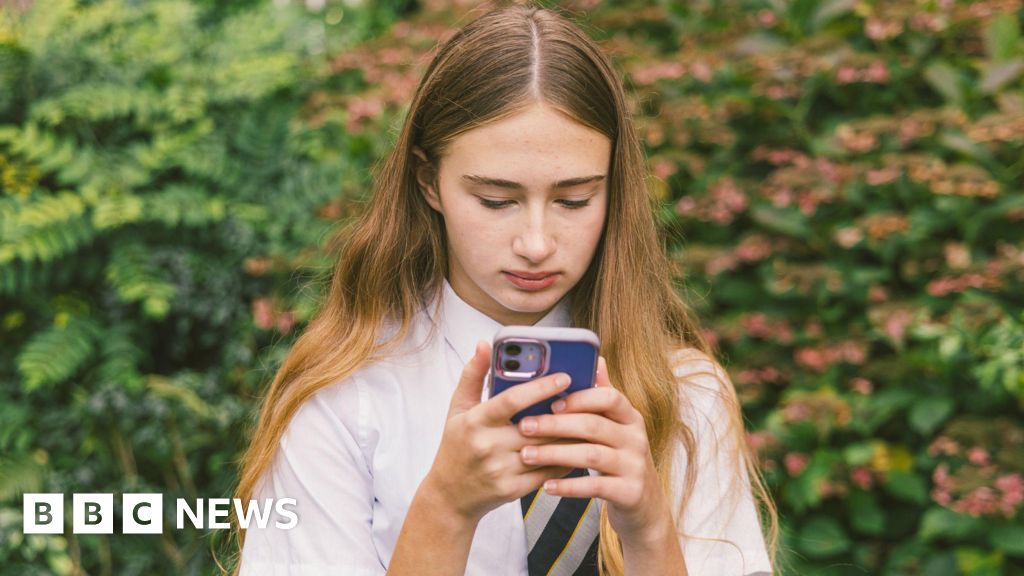
The methodology of the pilot involves comprehensive qualitative and quantitative data collection. Children and their parents participating in the government-led trial will undergo interviews both before and after the intervention period. These interviews will delve into the perceived impact of social media restrictions on various aspects of their lives, including family dynamics, sleep patterns, academic performance, and overall mental well-being. Furthermore, the government is keen to understand the practical challenges encountered during the trial, such as the efficacy of parental controls and, crucially, any "workarounds that the teenagers may find to bypass them." This insight into circumventing measures is vital for developing effective and resilient policies.
The debate surrounding social media restrictions for minors is multifaceted, drawing both strong support and considerable skepticism from experts and campaigners. Advocates, including numerous children’s charities and a broad spectrum of political figures, largely welcome the government’s proactive stance. Rani Govender, Associate Head of Child Safety Online Policy at the NSPCC, articulated the charity’s position, expressing support for the government’s efforts to identify optimal ways to safeguard young people online. However, she stressed the imperative for the government to be prepared for "decisive action" once the pilot and consultation conclude. Govender emphasized that this action must include compelling tech companies to "build safety into every device, platform and AI tool so children do not see harmful or illegal content and can only use age-appropriate services." She added a stark warning: "Failure to deliver on this and a social media ban for under 16s would be better than the status quo," highlighting the perceived inadequacy of current protections.
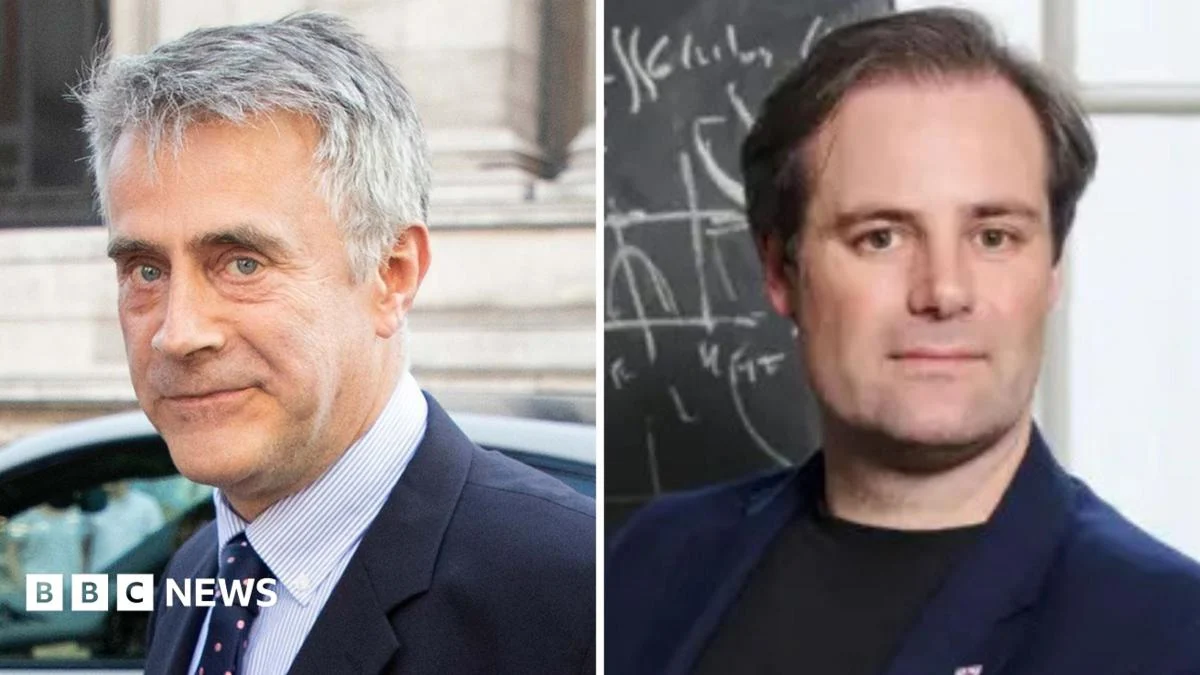
Conversely, some experts voice caution, warning that stringent bans could inadvertently lead to undesirable outcomes. Concerns include the potential for children to easily circumvent restrictions, pushing them towards less regulated, "darker corners of the internet" where they might be exposed to even greater risks without appropriate oversight. There are also arguments that a complete ban could strip young people of positive social connections, opportunities for self-expression, and access to valuable information, potentially impacting their social development and mental health if not managed with careful support. The Molly Rose Foundation, a charity focused on preventing youth suicide linked to online harm, offered a balanced perspective. Its chief executive, Andy Burrows, praised the government for consulting on its next steps rather than "rushing to implement" potentially ineffective bans. He emphasized that "parents want decisive and evidence-based measures to protect children online and these tests will provide welcome insights into the practicality and feasibility of further interventions." This highlights the consensus around the need for empirical data to guide policy.
The government’s pilot schemes will be further bolstered by a parallel, independent initiative described as the "world’s first major scientific trial looking at the effects of reducing social media use among adolescents." This ambitious study, generously funded by the Wellcome Trust, is slated to commence later this year and will be co-led by the distinguished Bradford Institute for Health Research and Professor Amy Orben, a psychologist from the University of Cambridge. Professor Orben expressed immense pride in the UK hosting such a pivotal research endeavor.
This independent study is designed to recruit an extensive cohort of 4,000 students aged between 12 and 15, drawn from ten secondary schools within the Bradford area. Its primary objective is to rigorously assess the impact of reduced social media access on a comprehensive range of wellbeing indicators. These include critical aspects such as sleep quality, anxiety levels, the nature and frequency of social interactions, and school-related metrics like attendance rates and incidents of bullying. Professor Orben articulated that this large-scale scientific trial is specifically engineered to address a significant void in current understanding: the scarcity of high-quality, empirical data regarding both the existing effects of social media on children and the precise difference that various levels of restriction might make. By generating robust, evidence-based insights, this study aims to provide an invaluable foundation for policy-making that is truly informed by scientific understanding rather than speculation.
The convergence of the government’s practical trials and the Wellcome Trust-funded scientific study represents a comprehensive approach to understanding the complex interplay between social media and adolescent well-being. The findings from these initiatives, combined with the nearly 30,000 responses already received from the public consultation, will collectively form a powerful evidence base. This evidence is expected to play a critical role in shaping the UK’s future regulatory landscape for online platforms, potentially setting a precedent for other nations grappling with similar challenges. The ultimate goal is to foster a safer, more supportive digital environment for young people, ensuring that the benefits of connectivity do not come at the expense of their mental health and development.



 Roy Suryo

 Nakalama John
 atisusanti
