
 atisusanti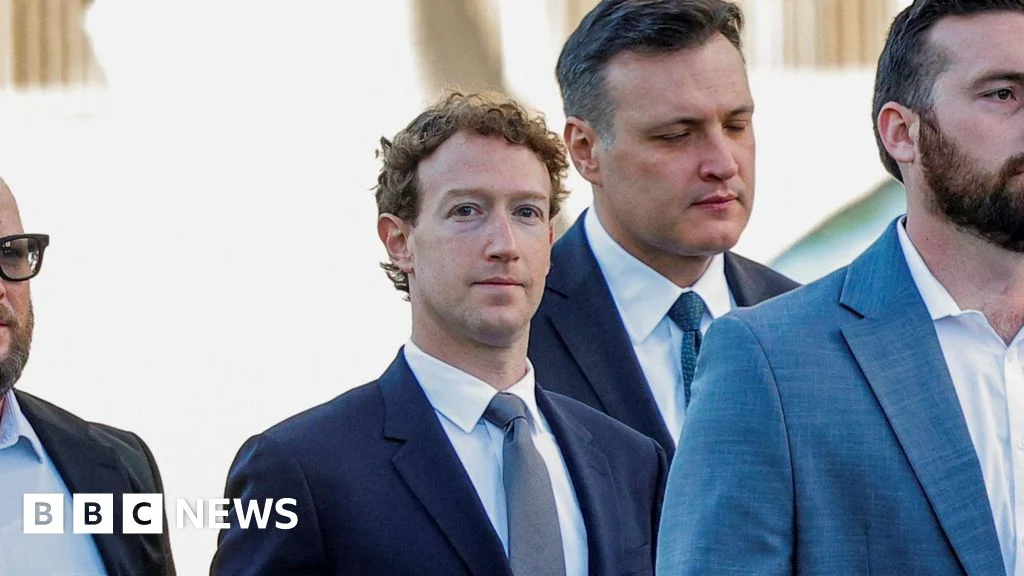
In a landmark ruling that could reshape the digital landscape, a Los Angeles jury has found Meta and Google liable for contributing to the severe social media addiction and subsequent mental health struggles of a young woman, identified as Kaley. The unprecedented verdict, delivered after a five-week trial, marks a significant victory for individuals and families seeking accountability from tech giants for the alleged harms caused by their platforms. Jurors determined that Meta, the parent company of Instagram, Facebook, and WhatsApp, bears 70% responsibility for Kaley’s suffering, while YouTube, owned by Google, is accountable for the remaining 30%.
The case centered on the plaintiff’s assertion that Meta and Google intentionally designed their social media platforms to be addictive, exploiting psychological vulnerabilities to maximize user engagement and, consequently, advertising revenue. Kaley’s legal team presented extensive evidence, including internal company documents and expert testimony, to demonstrate how algorithms, infinite scrolling features, and personalized content delivery systems were engineered to foster compulsive usage patterns, particularly among adolescents and young adults. This sophisticated design, they argued, led to a cascade of negative consequences for Kaley, including severe anxiety, depression, and an inability to function effectively in her daily life.
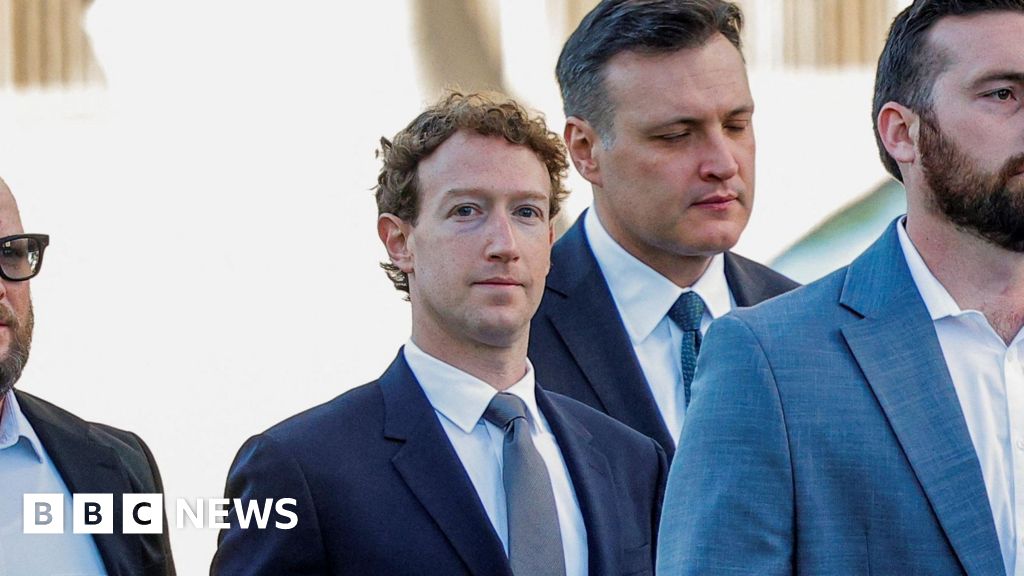
Meta, in its defense, maintained that while Kaley had undoubtedly experienced personal hardships, her use of Instagram was not a direct or significant cause of her struggles. The company’s legal strategy largely relied on its long-standing policy of prohibiting users under the age of 13 from accessing its platforms. However, during his unprecedented testimony before a jury in February, Meta Chairman and Chief Executive Mark Zuckerberg faced pointed questions about internal research that indicated young children were indeed using its services. Zuckerberg acknowledged a desire for faster progress in identifying underage users and asserted that the company had eventually reached a satisfactory point in addressing this issue.
The trial proceedings predominantly focused on the alleged addictive nature of Instagram and Meta’s broader social media ecosystem. While Google, as the owner of YouTube, was also a defendant, the bulk of the evidence and arguments revolved around Meta’s platforms. Notably, Snap and TikTok were initially co-defendants in the lawsuit. However, both companies reached undisclosed settlements with Kaley prior to the commencement of the trial, effectively removing them from the courtroom proceedings.
This verdict is poised to have far-reaching implications, potentially influencing hundreds of similar lawsuits currently making their way through the US court system. Legal experts suggest that the ruling could embolden plaintiffs in other cases to pursue claims against social media companies for alleged harms ranging from body image issues and eating disorders to cyberbullying and sleep deprivation. The jury’s finding of intentional design contributing to addiction may shift the legal burden of proof and encourage more robust scrutiny of the business practices employed by major social media corporations.
In the wake of the verdict, Meta issued a statement expressing its disagreement with the jury’s findings and indicating that it was evaluating its legal recourse. "We respectfully disagree with the verdict and are evaluating our legal options," the company stated, signaling a potential appeal. Google has yet to issue a formal statement regarding the verdict.
The case of Kaley represents a pivotal moment in the ongoing debate surrounding the societal impact of social media. For years, critics have raised concerns about the mental health consequences of excessive platform use, particularly for young people whose brains are still developing. While tech companies have often pointed to user responsibility and the availability of parental controls, this verdict suggests that juries are increasingly willing to hold platforms accountable for the inherent design choices that may contribute to addiction and harm.
The evidence presented during the trial shed light on the sophisticated mechanisms employed by these platforms to keep users engaged. This included discussions of personalized news feeds, push notifications designed to trigger immediate responses, and the use of variable reward schedules, akin to those found in slot machines, to create a sense of anticipation and compulsion. Lawyers for Kaley argued that these features were not accidental but deliberate choices made to maximize engagement and advertising revenue, even at the expense of user well-being.
Mark Zuckerberg’s testimony, which marked his first appearance in front of a jury in such a capacity, underscored the immense pressure faced by tech leaders in these high-stakes legal battles. His attempts to distance Meta from responsibility for underage users, while acknowledging past shortcomings, highlighted the delicate balance between corporate defense and public accountability. The jury’s decision to assign a significant portion of the blame to Meta suggests they were unconvinced by these defenses.
The inclusion of YouTube as a defendant, though less central to the trial’s narrative, also carries weight. Google’s video-sharing platform, with its vast library of content and powerful recommendation algorithms, has also been a subject of scrutiny regarding its potential for fostering addictive behaviors. The 30% liability assigned to YouTube underscores a broader concern about the addictive nature of various social media and online content platforms.
The legal ramifications of this ruling are likely to extend beyond individual lawsuits. It could prompt regulatory bodies to re-examine existing laws and consider new legislation aimed at governing the design and operation of social media platforms. Furthermore, it may force tech companies to re-evaluate their product development strategies, potentially leading to changes in how these platforms are built and marketed in the future. The focus may shift from maximizing engagement at all costs to prioritizing user safety and well-being, a concept that has long been advocated by mental health professionals and child development experts.
As Meta and Google consider their next legal steps, the public and legal communities will be closely watching to see how this landmark verdict will be implemented and what broader impact it will have on the future of social media and its influence on society. The trial of Kaley has undoubtedly opened a new chapter in the ongoing dialogue about the responsibility of technology companies in an increasingly digital world. The question of whether these platforms are designed for connection and information, or for addiction and profit, has been put to a jury, and their verdict has sent a powerful message.




 George Anjay
 Nakalama John
 Ramos Leo
 Roy Suryo
 Nana Banana