Nakalama John
Across Hamilton’s bustling town centre, Larkhall’s community hubs, and the quieter residential streets of Stonehouse, the state of the National Health Service consistently emerged as a primary anxiety. Years of mounting pressure, exacerbated by the lingering effects of the pandemic and persistent underfunding, have left many Scots feeling the strain. Voters spoke of increasingly lengthy waiting lists for crucial diagnostic tests and elective surgeries, with tales of postponed operations and protracted waits for specialist appointments becoming commonplace. "My mother has been waiting over a year for a hip replacement," shared one voter in Larkhall, echoing a sentiment of frustration and concern over delayed care. "The pain is constant, and it affects her quality of life. It feels like the NHS is on its knees."
Staffing shortages were another recurring theme. The exodus of experienced nurses and doctors, coupled with difficulties in recruiting new talent, has led to immense pressure on remaining staff and, consequently, on patient access. General practitioner services, once a bedrock of community healthcare, are particularly feeling the pinch, with many residents reporting struggles to secure timely appointments or even register with a local practice. Mental health services, too, were highlighted as woefully inadequate by many, particularly for younger generations facing growing pressures. The issue of drug deaths, a long-standing and tragic crisis in Scotland, also featured prominently in discussions, with many demanding more decisive action and better resourced support services from the next government. The consensus was clear: voters expect robust pledges from candidates on increasing funding, implementing effective workforce planning, and truly integrating health and social care to alleviate the current pressures.
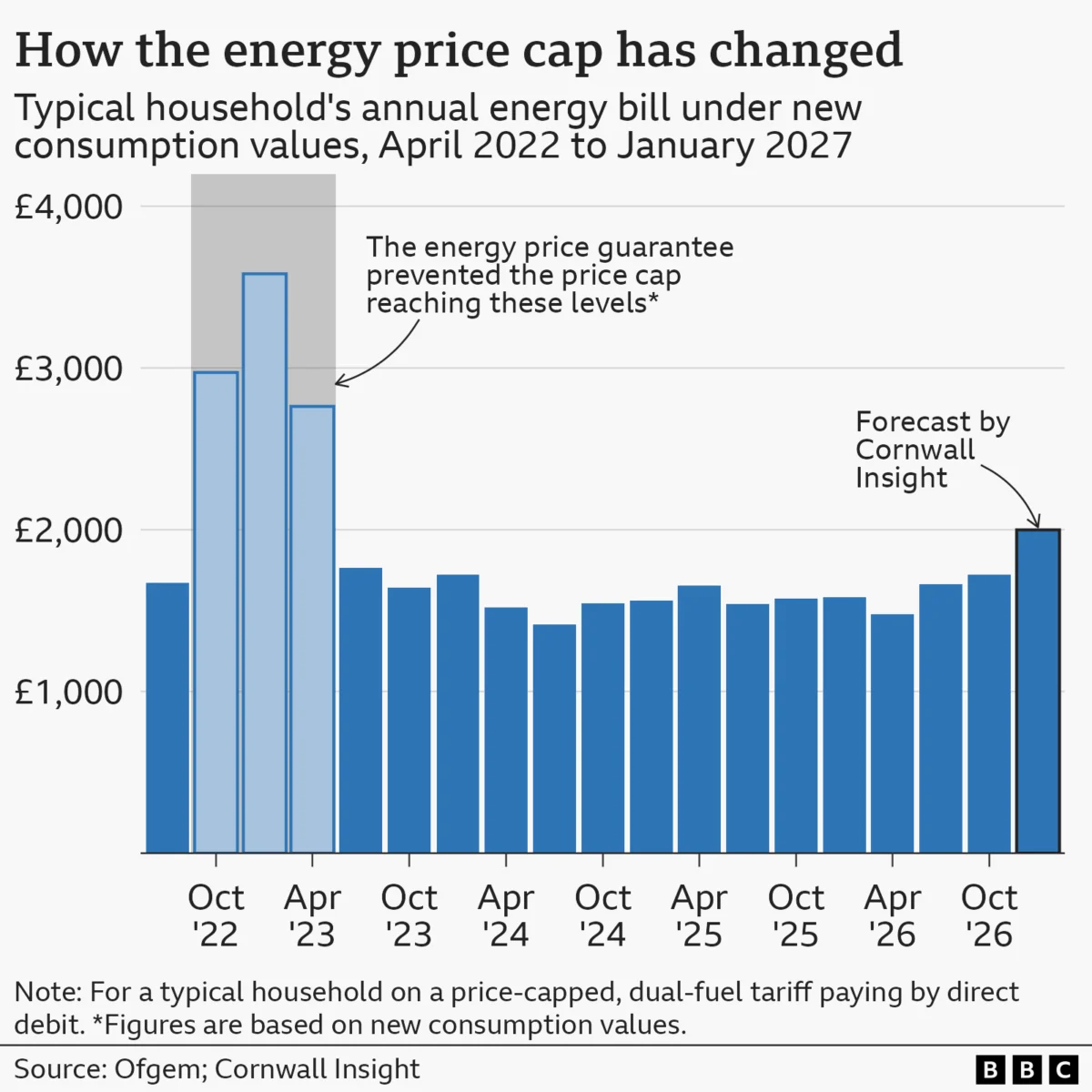
Beyond the vital concerns for health, the relentless squeeze on household finances – colloquially referred to as ‘bills’ – represents another potent force driving voter sentiment. The cost of living crisis, while having seen some easing of inflation, continues to bite deeply into the budgets of families and individuals across the constituency. Energy prices, though having stabilised somewhat, remain significantly higher than pre-crisis levels, forcing many to make difficult choices between heating and eating. Food inflation, despite recent drops, has fundamentally altered shopping habits, with families increasingly reliant on budget brands and cutting back on essentials.
"Every month is a struggle," confided a young mother in Hamilton, articulating the widespread financial precarity. "Council tax keeps going up, the mortgage rates are higher, and I’m constantly worried about unexpected costs. We’ve cut back on everything non-essential, but it feels like we’re just treading water." Small businesses in the high streets of Hamilton and Larkhall also voiced their struggles, battling increased operational costs and a downturn in consumer spending. The proliferation of food banks and community pantries, while a testament to local resilience, serves as a stark reminder of the widespread economic hardship. Voters are keenly scrutinising candidates’ proposals for alleviating these pressures, looking for concrete plans on everything from council tax freezes and energy bill support to boosting local economies and ensuring fair wages. The desire for stability and a sense of financial security is palpable, forming a significant plank of the electoral debate.
The third major talking point, and often the most contentious, was immigration. While national statistics highlight Scotland’s demographic challenges and the need for skilled workers in various sectors, local perceptions can be more complex and varied. In the Hamilton, Larkhall and Stonehouse constituency, discussions around immigration touched upon concerns about its perceived impact on local services, particularly housing and healthcare, which are already under strain. Some residents expressed fears that increased population could exacerbate existing pressures, though these were often balanced with a recognition of the contributions immigrants make to the economy and society.
"We need workers, absolutely, but our infrastructure has to keep up," commented a retired factory worker in Stonehouse, reflecting a common desire for managed immigration that aligns with service provision. Others spoke positively about the cultural enrichment and the vital roles immigrants play in sectors like social care and hospitality, often filling gaps that native-born workers are not available or willing to take. The debate often inadvertently highlighted the divergence between the Scottish Government’s more welcoming stance on immigration – advocating for greater devolved powers to attract and retain talent – and the UK Government’s stricter controls. Voters grappling with this issue are seeking clarity on how future policies might affect their local communities, whether in terms of economic opportunity, service provision, or cultural integration. The conversation often underscored the need for accurate information and nuanced discussion, moving beyond simplistic narratives to address the genuine complexities of immigration in a diverse society.
As Lorna Gordon’s report underscored, these three pillars – the NHS, household finances, and immigration – are not isolated concerns but are deeply interconnected, forming a complex tapestry of voter anxiety and expectation. The challenges facing the health service are inextricably linked to the economic capacity of the nation and the availability of a robust workforce, which immigration can help address. Similarly, the ability of households to cope with rising bills impacts their overall well-being and their reliance on public services. The upcoming election is not merely about party allegiances but about which political vision can most effectively address these interwoven challenges and offer a credible path towards a more secure and prosperous future for the people of Hamilton, Larkhall, and Stonehouse, and indeed, all of Scotland. The significant turnover of MSPs means that new voices will enter the parliamentary chamber, bringing fresh perspectives and, hopefully, innovative solutions to these deeply entrenched issues. The next six weeks will be crucial as parties vie to convince voters that their approach offers the best hope for Scotland’s future.


 Roy Suryo