Roy Suryo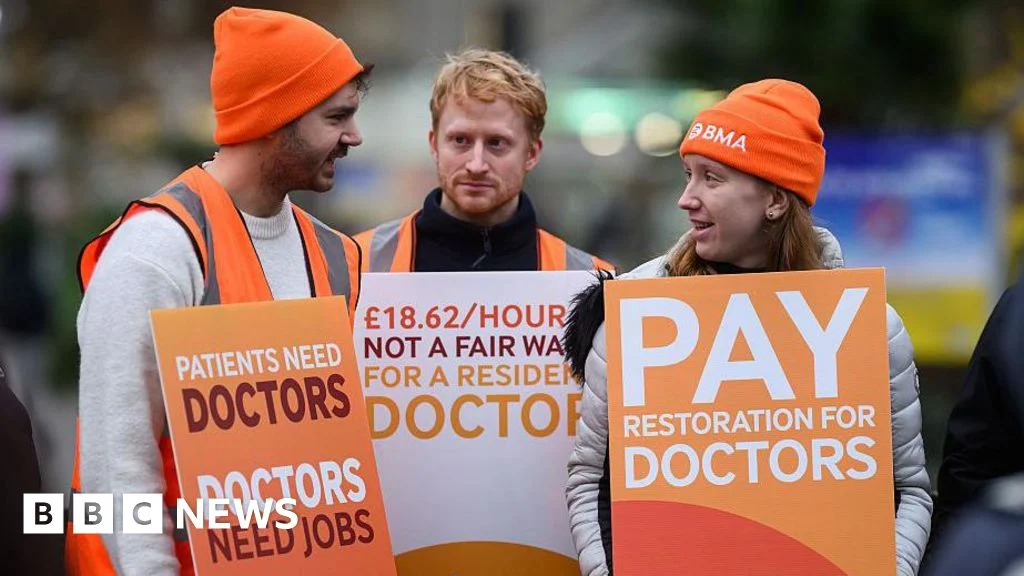
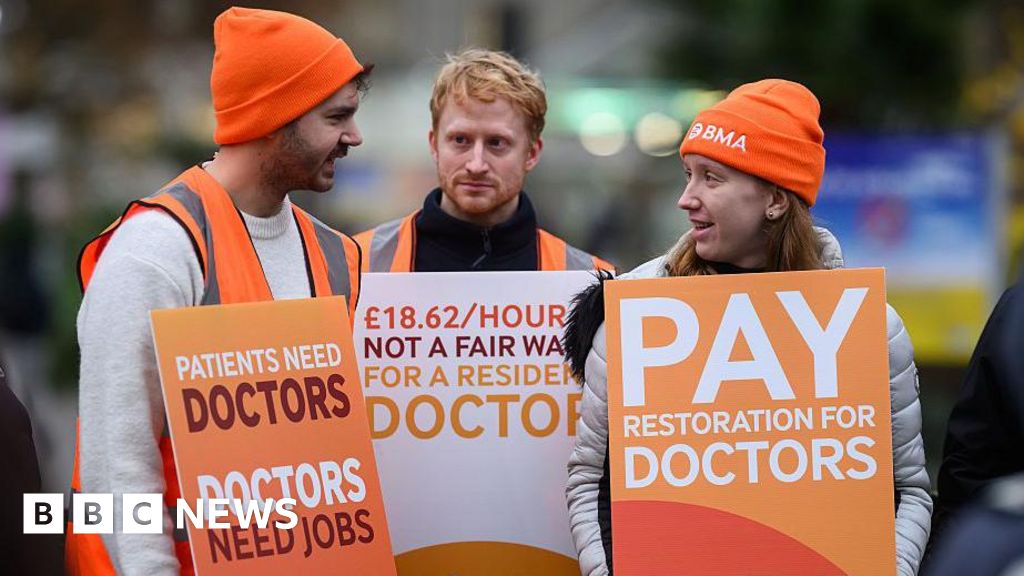
Resident doctors are set to stage a significant six-day strike in England this April, following a breakdown in negotiations between the British Medical Association (BMA) and the government. This industrial action, scheduled to commence after the Easter bank holiday weekend, marks the 15th strike in a protracted dispute that began in March 2023. The BMA asserts that insufficient progress has been made on their pay demands and concerns regarding widespread job shortages within the NHS. Conversely, the government maintains that the doctors’ expectations are unreasonable and unrealistic, leading to this impasse.
Who are Resident Doctors?
Resident doctors, previously known as junior doctors, are fully qualified medical practitioners who have successfully completed their medical degrees. They constitute a substantial portion of the medical workforce in England, making up nearly half of all doctors. Their work spans across various critical areas of the National Health Service (NHS), including emergency departments (A&E) and general practitioner (GP) surgeries. Following their initial medical degree and a mandatory two-year postgraduate foundation training program, many resident doctors embark on further specialization in specific fields of medicine or surgery. This extended training period means that while some resident doctors may have only recently graduated, others could possess over a decade of practical experience and be entrusted with the majority of patient care responsibilities.
Resident Doctor Remuneration Explained
The financial compensation for resident doctors in England begins with a basic salary of £38,831 during their first foundation year after medical school. This figure rises to £44,439 in their second year. It is important to note that these are base salaries, and remuneration is often augmented by additional payments for unsocial hours, including night shifts, weekends, and extended working periods, which are a common expectation within the medical profession. As resident doctors progress in their careers, their salaries can increase substantially. After eight years or more of experience, a resident doctor’s salary can reach approximately £73,000. In recent years, the profession has seen pay increases, with a total of 22% awarded across 2023 and 2024, followed by an additional 5.4% increase in 2025. This progression is illustrated in a chart detailing basic pay at each stage of their eight-year training period.
The Core of the Pay Dispute: Resident Doctors’ Demands
The BMA has been at the forefront of organizing a series of strikes in England since 2023, primarily driven by grievances over pay and working conditions. A central tenet of the BMA’s argument is that, in real terms, resident doctors’ pay has declined by 20% since 2008, even when accounting for the 2025 pay increase. The government typically bases public sector pay adjustments on the Consumer Prices Index (CPI) measure of inflation. However, the BMA contends that many resident doctors are burdened with significant student loans, and the interest on these loans is calculated using the Retail Prices Index (RPI), a measure of inflation that is generally higher than CPI. This disparity, the BMA argues, exacerbates the financial strain on junior doctors. While the government asserts that current pay is fair based on the CPI, independent analysis from the Nuffield Trust think tank suggests a starker reality. Their findings indicate that pay has fallen by approximately 5% since 2008 when using CPI, but this figure escalates to nearly 20% when RPI is considered. This divergence in inflation measures is a critical point of contention in the ongoing dispute.
Government and BMA: A Clash of Perspectives
The government, represented by Health Secretary Wes Streeting, has highlighted that resident doctors have received substantial pay rises, totaling nearly 30% over the past three years, which he claims is the most significant increase among public sector employees. He has firmly stated that the government will not concede to any further pay increases. Instead, the government’s most recent offer focused on accelerating the expansion of specialist training posts, which are crucial for resident doctors transitioning into the next phase of their careers. In 2025, the competition for these coveted positions was intense, with over 30,000 applicants vying for 10,000 available posts, including candidates from overseas. The government has pledged to increase the number of these posts by 4,000 by 2028, with an initial tranche of 1,000 posts becoming available from 2026. The offer also included provisions for emergency legislation to prioritize UK-trained and UK-working doctors for these roles, alongside a reaffirmation of an earlier commitment to cover certain expenses, such as exam fees.
Dr. Jack Fletcher, chairman of the BMA’s resident doctors’ committee, responded to this offer by stating that it "does nothing to restore pay for doctors, which remains well within the government’s power." Prime Minister Sir Keir Starmer expressed his disappointment, deeming the situation "irresponsible" given the escalating pressures on the NHS, particularly with rising flu cases. The BMA’s current mandate for industrial action is set to expire in early January. However, the union has initiated a consultation with its members to gauge their willingness to extend the dispute, indicating the ongoing nature of the conflict.
Navigating Healthcare During the Strike
The impending strike in England is scheduled to run from 07:00 GMT on April 7th to 06:59 on April 13th. In previous industrial actions, NHS leaders have consistently advised patients not to hesitate in seeking care and to attend scheduled appointments unless explicitly informed otherwise. For life-threatening emergencies, the advice remains unchanged: call 999 and proceed to the nearest emergency department. For urgent, but not immediately life-threatening, medical needs, individuals are encouraged to utilize the NHS 111 website or contact the helpline. GP surgeries are expected to operate as normal. While hospitals have historically been instructed to cancel routine appointments only in exceptional circumstances during strikes, there remains a possibility of disruption for thousands of patients, potentially impacting scheduled appointments and planned operations. It is important to note that Scotland, Wales, and Northern Ireland are not affected by this particular planned walk-out.
A Broader Context: Public Sector Pay Rises
The dispute over resident doctors’ pay is often viewed within the wider context of public sector remuneration. While medical degrees typically require five to six years of study, a duration longer than most other university courses, the BMA argues that this extended academic commitment and the associated student debt should be reflected in their pay. Furthermore, resident doctors have limited autonomy over their work locations and schedules, with mandatory placements in different regions of the country potentially incurring significant personal expenses. This highlights the multifaceted nature of the resident doctors’ grievances, extending beyond just the headline salary figures to encompass broader concerns about career progression, financial burdens, and work-life balance.




 George Anjay
 Nakalama John
 Ramos Leo
 Nana Banana