Nana Banana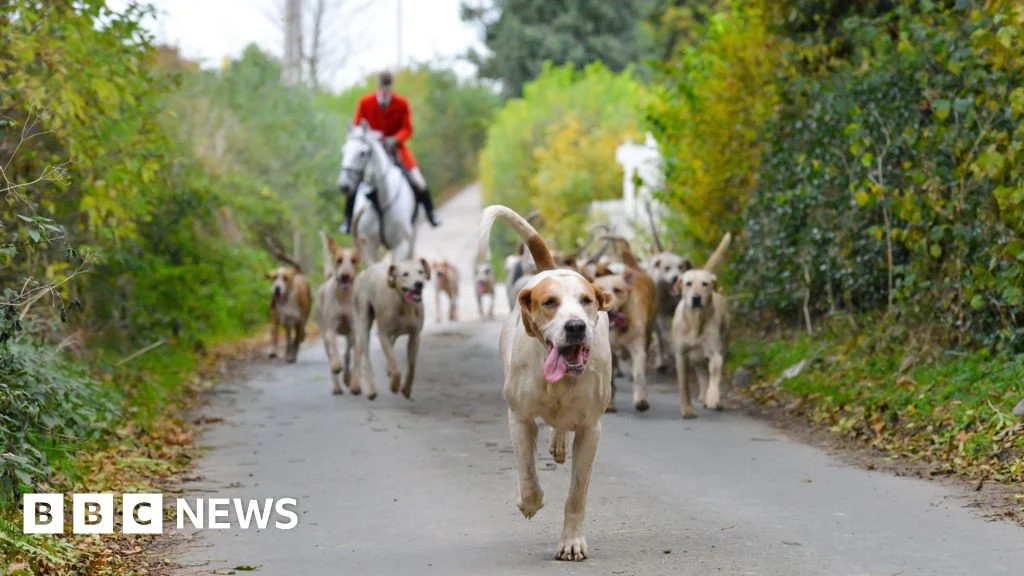
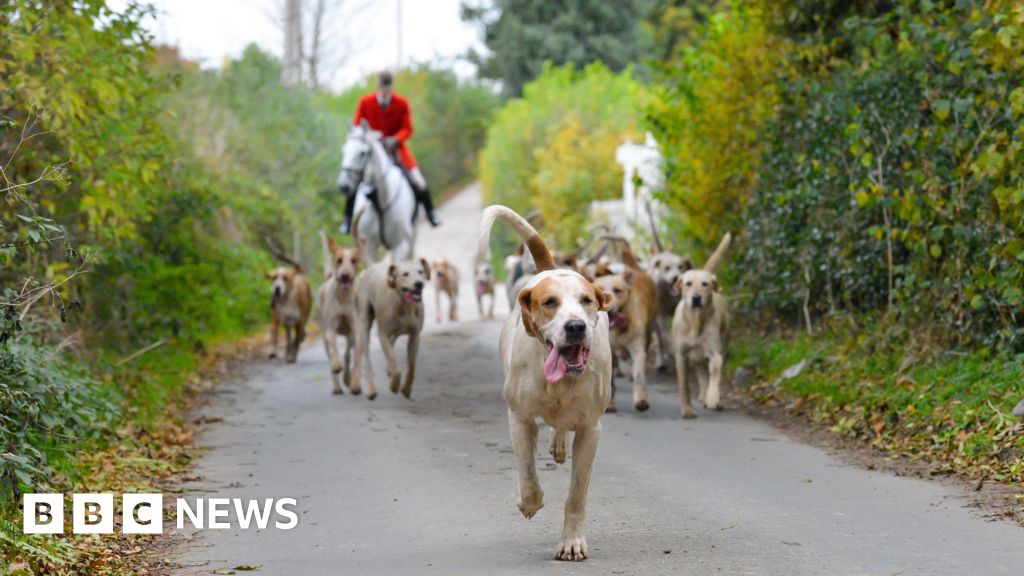
Trail hunting emerged as an alternative to traditional fox hunting following the enactment of the Hunting Act 2004. This legislation prohibited the hunting of wild mammals with dogs, but allowed for exemptions, including trail hunting, which involves hounds following a pre-laid scent, typically from an animal-scented rag, rather than a live animal. The intention was to preserve the spectacle and tradition of the hunt without causing harm to wildlife. However, for years, animal welfare organisations have vehemently argued that trail hunting is frequently exploited as a "smokescreen" – a cunning guise to obscure the illegal hunting of foxes and other wild animals. They contend that hounds, even when purportedly following an artificial trail, often pick up the scent of live animals, leading to illegal chases and kills.
The RSPCA, a prominent voice among animal welfare campaigners, has been vocal in its assertion that there is "mounting evidence" to support the "smokescreen" claim. David Bowles, the organisation’s head of public affairs, highlighted the severe consequences of this alleged practice, stating it "is putting wild animals, pets and livestock at risk, while rural communities face intimidation and anti-social behaviour." This perspective underscores a broader concern that the current legal framework is insufficient to prevent cruelty and maintain public order in rural areas.
Conversely, the Countryside Alliance, a powerful lobbying group advocating for rural issues, has vehemently opposed the proposed ban, characterising it as "unnecessary, unjustified and unfair." Tim Bonner, the Alliance’s chief executive, articulated a strong sense of grievance, asserting that the government is launching "another assault on rural life." He warned that if the government proceeds with the ban, it would only serve to "confirm to rural people that Labour has warped priorities and a fundamental dislike of the countryside." This sentiment reflects a deep-seated distrust among some rural communities towards policies perceived as being imposed by urban-centric governments, threatening their traditions and livelihoods.
The economic implications of a ban are a significant point of contention for the Countryside Alliance. They estimate that countryside hunts contribute a substantial £100m to the rural economy each year. This figure encompasses a wide array of associated activities and services, including the employment of stable hands, farriers, veterinarians, feed suppliers, and the support of local businesses such as pubs, hotels, and tack shops that benefit from hunting events. The Alliance argues that a ban would jeopardise these jobs and businesses, creating financial hardship in already vulnerable rural areas.
Mary Perry, joint master of the Cotley Harriers hunt, provides a firsthand perspective on the impact of such a ban. Her hunt, near Chard in Somerset, boasts a rich history dating back to 1797, and currently involves around 70 riders and over 50 hounds. Perry, a former youth worker who has dedicated 17 years to the hunt, expressed profound frustration at the criticisms levelled against legitimate trail hunting. She emphasised the community-building aspect of these events, stating that they "bring people together." For Perry and many others involved in hunting, their activities are conducted within legal guidelines, and the suggestion of a ban feels like an unjust attack. "Up and down the country, there will be people saying ‘Why – when we do our best, we follow all the guidelines – why do they think a ban is a good idea?’" she questioned, reflecting the bewilderment and indignation felt by many participants.
The League Against Cruel Sports, a long-standing advocate for a complete ban on hunting with dogs, warmly welcomed the consultation launch. Its chief executive, Emma Slawinski, hailed it as a "pivotal moment for animal welfare." She underscored the perceived failure of the original Hunting Act, stating, "For more than 20 years, hunts have carried on breaking the law and ignoring the ban on chasing and killing wild animals with dogs." Slawinski stressed the need for new, robust legislation that would empower "the courts and police to tackle persistent and prolific illegal hunting," ensuring that "this time around we need to get it right with stronger measures to stop the cruelty and killing." This perspective highlights the view that the existing law has been a legislative failure, riddled with loopholes that have allowed illegal activities to persist.
The government’s consultation, set to run for 12 weeks, is designed to gather comprehensive views from a diverse range of stakeholders. This includes the general public, landowners, animal welfare organisations, hunt groups, and other rural communities. Key areas for discussion and input will include how trail hunting should be legally defined in any new legislation, the controversial use of animal-based scents in the training of dogs, the potential impact of a ban on other legitimate equestrian activities, and how the welfare of dogs currently used for trail hunting might be affected by such a prohibition.
A spokesman for the Department for Environment, Food and Rural Affairs (Defra) clarified the government’s stance, indicating a desire for other alternative hunt activities to "continue to thrive." This includes "drag hunting," where hounds follow a pre-laid, often synthetic, scent along a fixed course, and "clean-boot hunting," which involves bloodhounds chasing the scent of human runners who mingle with the hunt participants before setting off. These alternatives are seen as ways to maintain the social and recreational aspects of hunting without involving live animal quarry. Defra acknowledged the positive contributions of hunts, stating that they "can support jobs and local businesses, and bring people together across the countryside," thereby attempting to strike a balance between rural concerns and animal welfare.
Baroness Sue Hayman, the animal welfare minister, further articulated the government’s motivation for the proposed ban. She stated that "the nature of trail hunting makes it difficult to ensure wild and domestic animals are not put at risk of being killed or injured. That is clearly unacceptable." This statement underlines the government’s primary concern: the inherent difficulty in regulating trail hunting to prevent unintended harm to animals, regardless of intent. The consultation aims to find a legislative solution that closes this perceived loophole effectively.
The original Hunting Act 2004, passed after years of passionate and often acrimonious debate, was intended to resolve the ethical dilemma of hunting with dogs. However, its implementation has been fraught with challenges, with accusations from both sides of the divide. For animal welfare groups, the Act failed to deliver a complete ban on cruel practices, while for hunting proponents, it represented an infringement on traditional rural liberties. This new consultation represents a renewed effort to address these long-standing issues, acknowledging that the current situation is not satisfactory for all parties.
The debate surrounding trail hunting is deeply entwined with broader cultural and ethical considerations in the UK. For many, hunting is a cherished part of their heritage and a way of life that connects them to the land and their community. For others, it is an anachronistic and barbaric practice that has no place in modern society. The government’s decision to launch this consultation highlights the political sensitivity of the issue and the significant public interest it commands. The 12-week period will undoubtedly be a period of intense lobbying and public discourse, as both sides present their arguments with vigour. The outcome of this consultation will be crucial in shaping the future of hunting in England and Wales, potentially ushering in an era of stronger animal welfare protections and a definitive end to an activity that has remained controversial for decades. The path to a final decision will be complex, navigating deeply entrenched traditions, economic concerns, and evolving ethical standards regarding animal welfare.


 George Anjay
 Nakalama John
 atisusanti
 Ramos Leo