
 Ramos Leo
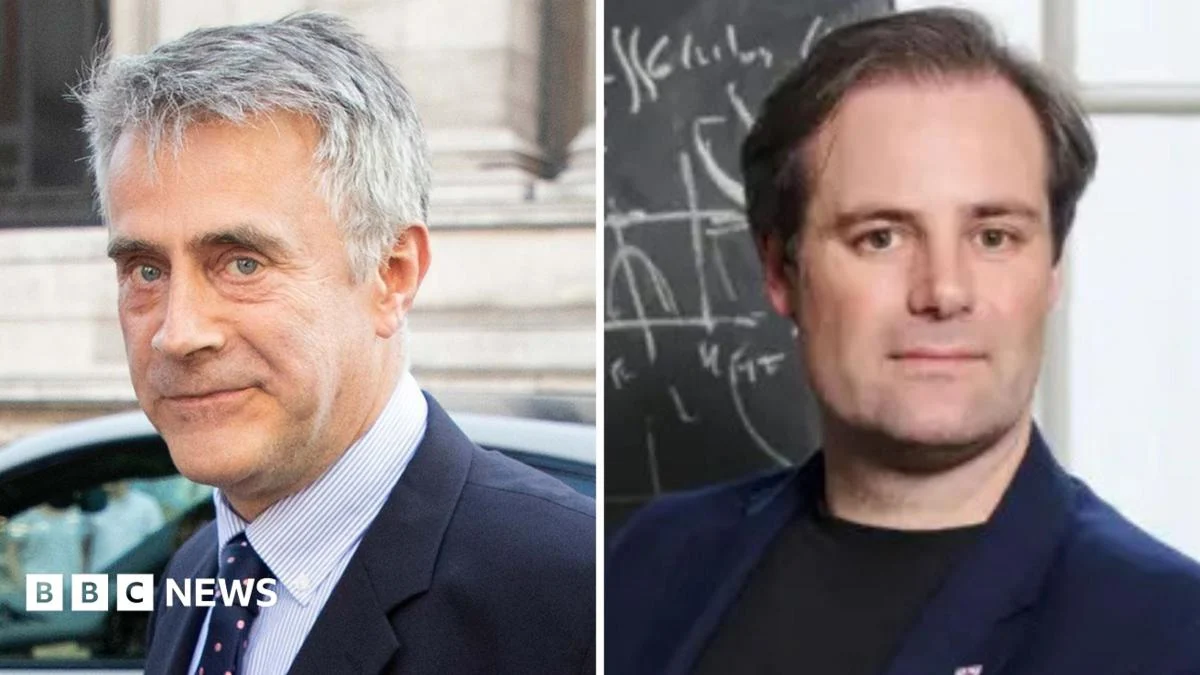
The individuals at the heart of this unique exemption are Edward Fitzalan-Howard, the 18th Duke of Norfolk, who holds the inherited royal title of Earl Marshal, and Lord Carrington, the current Lord Great Chamberlain. Both are pivotal figures in the choreography of events involving the monarch within the Palace of Westminster, roles that stretch back centuries and are inextricably linked to the fabric of British pageantry and statehood. Their continued involvement ensures the seamless execution of crucial royal and parliamentary ceremonies, from coronations to the State Opening of Parliament.
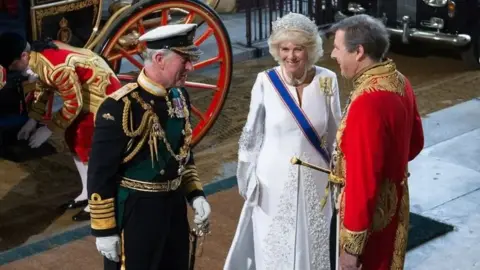
The Duke of Norfolk, as Earl Marshal, presides over an office dating back to medieval times, with responsibilities for arranging and overseeing all major state ceremonies. This includes the momentous planning of royal coronations, state funerals, and the highly symbolic State Opening of Parliament. The position has been held by hereditary right by the illustrious Howard family since 1672, making the current Duke the latest in a long line of custodians of these grand traditions. His role was particularly prominent during the coronation of King Charles III, where his meticulous planning and execution were widely praised. It is a demanding position that requires extensive historical knowledge, logistical acumen, and a deep understanding of royal protocol.
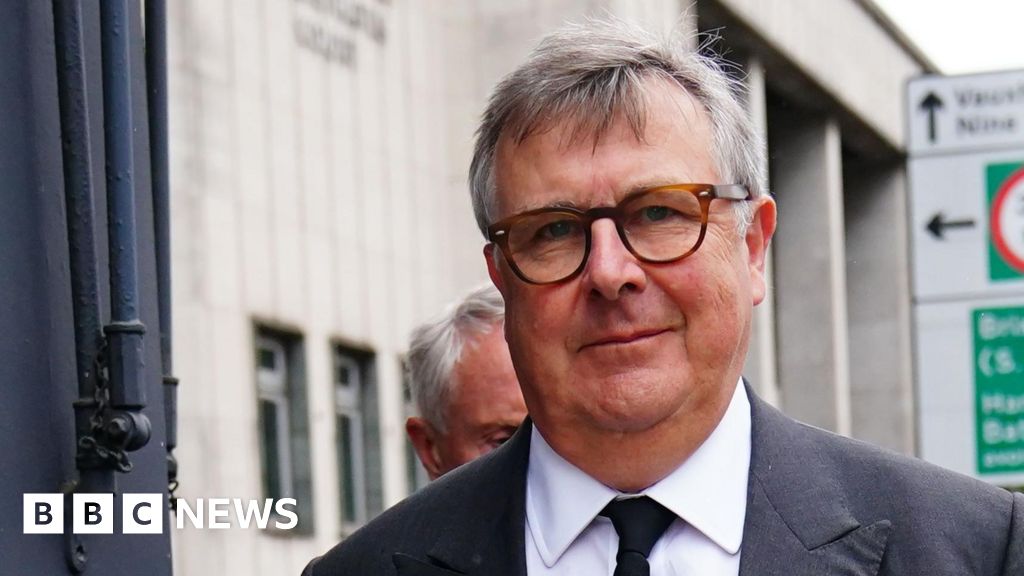
Lord Carrington, as the Lord Great Chamberlain, holds an office first created in the 12th century. His duties involve controlling the parts of the Palace of Westminster reserved for the monarchy and managing the royal family’s interests within Parliament. This includes ensuring the monarch’s comfort and security during visits and overseeing the intricate preparations for events like the State Opening. Lord Carrington, whose father was a former Conservative cabinet minister, ascended to this office upon King Charles’s accession to the throne in 2022. He previously became a hereditary member of the Lords in 2018, having won a by-election to fill a vacant hereditary peerage, a peculiar mechanism that will soon be abolished.
The concession for these two peers comes as a direct consequence of the Labour government’s proposed reforms of the House of Lords. The "House of Lords (Hereditary Peers) Bill" aims to abolish the remaining 92 hereditary seats, a move that would complete the process initiated by the Labour government under Tony Blair in 1999. The 1999 reforms, famously known as the "Weatherill Amendment," significantly reduced the number of hereditary peers from over 700 to 92, but retained a small contingent as an interim measure, promising further reform that never fully materialised until now. Crucially, the Earl Marshal and the Lord Great Chamberlain were among those 92 peers who were exempted from the initial cull, allowing them to keep their right to sit and vote in the Lords due to the perceived necessity of their ceremonial functions.
When the current bill to fully remove hereditary peers began its legislative journey about a year ago, both the Duke of Norfolk and Lord Carrington privately conveyed their concerns to Baroness Smith, Labour’s leader in the Lords. Their primary worry was not the loss of their voting rights or legislative influence, but the potential impediment to their ability to carry out their inherited ceremonial duties if they were completely cut off from parliamentary access and status. Given the unique, non-political nature of their roles and their direct connection to the Crown and state protocol, the government ultimately provided assurances that their ceremonial functions would be preserved.
This means that while they will no longer participate in parliamentary debates or votes, they will retain their parliamentary passes and the necessary access to Westminster to perform their roles. This arrangement ensures continuity for upcoming significant events, such as the State Opening of Parliament expected in May. A Buckingham Palace spokesperson affirmed this, stating: "The ceremonial roles of the Earl Marshal and the Lord Great Chamberlain, as great officers of state, are preserved, and they will continue to undertake their ceremonial function in the House of Lords." Similarly, a House of Lords spokesperson confirmed: "It is expected that access will be facilitated for the Lord Great Chamberlain and Earl Marshal to continue to fulfil their ceremonial duties within Parliament after the House of Lords (Hereditary Peers) Bill comes into force."
Both peers appear to accept the broader legislative changes. The BBC understands that the Duke of Norfolk, while appreciating the will of Parliament to eliminate hereditary peers, firmly believes it is right that the ceremonial roles should endure. A spokesperson for Lord Carrington articulated his position clearly: "The position of Lord Carrington as Lord Great Chamberlain of England is unaffected by the passage of the Hereditary Peers Bill with the exception that he will no longer be able to speak in the chamber nor vote." This nuanced outcome reflects a pragmatic attempt to modernise Parliament while respecting historical continuity in key state functions.
However, not everyone views this concession favourably. Republic, a pressure group vehemently campaigning for the abolition of the monarchy, has voiced strong objections. Graham Smith, the CEO of Republic, sharply criticised the decision, asserting that these two royal offices should be "cast off and Parliament moved into the 21st century." He lambasted the positions as "a nonsense," arguing that they "confer status and access to two men who have done nothing but be born into the right families." Smith further contended that "Parliament belongs to the British people, it should reflect the British people, our interests, values and culture. Not some facsimile of medieval pageantry that hasn’t played a serious role for centuries." His comments underscore the fundamental tension between inherited privilege and modern democratic ideals that continues to define debates about the UK’s unwritten constitution.
Conversely, prominent voices within Parliament and academia have argued for the preservation of these specific hereditary roles, or even their full parliamentary seats. Lord Roberts, a distinguished historian, previously advocated for the Earl Marshal and the Lord Great Chamberlain to retain their hereditary seats in the Lords. During a debate, Lord Roberts highlighted that "these two noble Lords undertake totally different roles on behalf of the Crown and state from any other of the hereditary peers." He praised their dual capacity as "both dignified and efficient," suggesting that their continued membership in the House would facilitate the necessary contacts for them to perform their duties effectively. His argument speaks to a recognition of the functional value these historical roles bring to the machinery of state, beyond mere symbolism.
The broader context of these reforms signals a significant, though incremental, shift in the composition of the House of Lords. The removal of the remaining 92 hereditary peers, expected at the end of the current parliamentary session in April or May, will leave the Lords comprised almost entirely of life peers (appointed by the monarch on the advice of the Prime Minister) and the 26 Lords Spiritual (senior bishops of the Church of England). This change further fuels the ongoing debate about the future of the upper chamber, with calls for more radical reform, including a fully elected house, a smaller, more effective chamber, or even a different appointment mechanism.
The decision to allow the Duke of Norfolk and Lord Carrington to maintain their ceremonial roles, while stripped of their legislative powers, represents a delicate compromise. It acknowledges the deeply entrenched historical significance of these offices and their practical necessity for the smooth running of state occasions, particularly those involving the monarch. At the same time, it aligns with the broader democratic imperative to remove inherited privilege from the legislative process. It is a testament to the British approach to constitutional evolution, often characterised by gradual adjustments rather than abrupt ruptures, seeking to balance the weight of tradition with the demands of contemporary governance. As Parliament moves further into the 21st century, the continued presence of these two ancient, hereditary offices, albeit in a purely ceremonial capacity, will remain a distinctive feature of the UK’s unique political landscape.



 Roy Suryo

 Nakalama John
 atisusanti
