
 Ramos Leo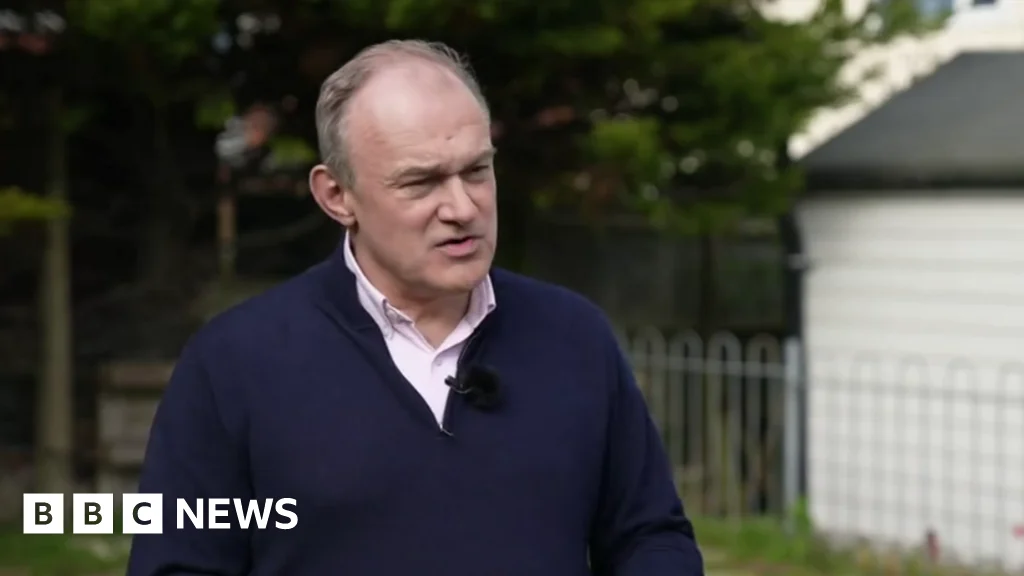
Sir Ed highlighted the relentless upward trajectory of household expenses as the primary concern he was hearing from the public. He specifically cited soaring petrol and diesel prices, spiralling energy bills, and rising mortgage costs as the most significant financial burdens impacting families and individuals. In an unexpected but telling connection, he attributed one of the biggest drivers of these inflationary pressures to geopolitical tensions, specifically mentioning the conflict between US-Israel and Iran. This broader global instability, he argued, has direct economic repercussions that cascade down to local economies and household budgets, making local council decisions all the more challenging.
The economic ripple effect of Middle Eastern geopolitical events, particularly those involving major oil-producing regions, is profound. Any perceived threat to oil supply routes or production capacity can send global crude oil prices soaring. This directly translates into higher costs at the pump for petrol and diesel, impacting commuters, businesses reliant on transport, and the supply chain for goods. Energy bills also become more expensive as wholesale gas and electricity prices often track oil prices, exacerbated by the UK’s reliance on international markets. Furthermore, general inflationary pressures stemming from higher energy and transport costs can influence the Bank of England’s interest rate decisions, directly affecting mortgage rates for homeowners and potential homebuyers. Thus, Sir Ed’s linking of an international conflict to local council tax rises underscores the interconnectedness of global economics and everyday British finances.
Councils across the South East, regardless of their political affiliation, are grappling with significant financial pressures, leading many to implement increases in charges and council tax. These pressures stem from a confluence of factors, including reduced central government funding over the past decade, persistent high inflation driving up the cost of services, and increasing demand for statutory services, particularly in adult social care and special educational needs and disabilities (SEND). While the precise figures vary, many councils are choosing to raise council tax by the maximum allowable without triggering a local referendum, which typically stands at 2.99% for district and borough councils and 4.99% for those with social care responsibilities.
The issue of rising local taxation has also been seized upon by other political figures. Nigel Farage, leader of Reform UK, echoed a sentiment shared by many when he stated earlier in the week that "council tax has to rise" due to the "massive debt" accumulated by local authorities. This perspective highlights the severe financial constraints faced by councils nationwide, suggesting that increases are often a reluctant necessity rather than a political choice. The Liberal Democrats, while defending their councils’ decisions, frame the cost of living as a central plank of their campaign for the upcoming local elections, promising to advocate for policies that alleviate financial strain on households.
Sir Ed Davey asserted that many Liberal Democrat-controlled councils are actively pursuing measures to mitigate financial pressure on their residents despite the necessity of some tax increases. These measures might include seeking efficiency savings, carefully prioritising spending, and lobbying central government for more adequate funding. He explained that a significant portion of the financial burden on local authorities comes from their statutory obligations to provide essential services, such as adult social care and special educational needs and disabilities (SEND) provision. "We do want to look after elderly people. We do want to look after disabled people," Sir Ed stated, emphasising the moral and legal imperatives. "They’ve got to deal with special education needs. I think it would be wrong to take support away from disabled children."
The costs associated with adult social care have been a long-standing crisis for local government. An aging population, coupled with increasing complexity of care needs, has led to soaring demand. Simultaneously, the costs of providing this care – from staffing wages to specialist equipment – have escalated due to inflation and a competitive labour market. Similarly, SEND provision has seen a dramatic rise in demand and complexity, with councils facing increasing legal obligations and often prohibitive costs associated with specialist placements and support. These pressures mean that a significant proportion of local authority budgets is ring-fenced for these vital services, leaving less flexibility for other areas and often necessitating higher council tax to cover the shortfall.
While Sir Ed Davey spoke broadly about the challenges posed by social care and SEND responsibilities, it is worth noting that the Liberal Democrats do not currently administer any county councils (which typically hold these primary responsibilities) in Kent, Sussex, or Surrey. The councils specifically mentioned in the article – Eastbourne, Chichester, Tunbridge Wells, Mid Sussex, and Horsham – are all district or borough councils. These councils are primarily responsible for services such as waste collection, planning, housing, environmental health, and leisure facilities, with county councils handling larger responsibilities like education, adult social care, and major roads. However, as a national party leader, Sir Ed speaks to the broader challenges facing local government as a whole, and the financial pressures on county councils inevitably impact the overall local government funding landscape and the national economy. Moreover, district councils often contribute indirectly to the welfare of vulnerable residents through housing support and community initiatives, making the broader social care and SEND crisis a relevant concern.
Beyond local taxation, Sir Ed’s visit to Eastbourne also served as a platform to unveil the Liberal Democrats’ ambitious plans for reforming maternity care across the country. He outlined a comprehensive package of proposals designed to address long-standing issues within the NHS maternity services, pledging to significantly improve safety and support for expectant mothers. A cornerstone of these reforms is the commitment to ensuring "one-to-one midwife care for women in labour," a standard widely recognised as crucial for positive birth outcomes but often not met due to staffing shortages. Additionally, the party proposes that "every maternity unit has a consultant obstetrician, a specialist doctor 24/7," aiming to guarantee immediate expert medical attention for complex cases and emergencies.
The rationale behind these proposed reforms is rooted in addressing systemic issues that have plagued maternity care in recent years, highlighted by various damning reports, such as the Ockenden Review into Shrewsbury and Telford Hospital Trust. These reports have exposed tragic failings, including inadequate staffing, poor training, and a lack of consistent senior oversight, leading to preventable deaths and injuries for mothers and babies. Sir Ed argued that while implementing these changes would undoubtedly be "challenging," the long-term benefits far outweigh the initial investment. "It would be better to invest money into the system rather than paying for mistakes," he asserted. The "mistakes" he referred to encompass not only the immeasurable human cost of avoidable tragedies but also the significant financial burden of legal settlements and compensation claims against NHS trusts. Investing proactively in staffing, training, and infrastructure, he argued, would not only save lives and improve outcomes but also reduce litigation costs, enhance staff morale, and rebuild public trust in maternity services.
Looking at specific examples within the South East, several Liberal Democrat-controlled councils have indeed opted for council tax increases close to the maximum allowable thresholds. Eastbourne Borough Council and Chichester District Council, both under Liberal Democrat leadership, are set to raise council tax by the maximum permitted 2.99% for the 2026/27 financial year. Similarly, Tunbridge Wells Borough Council, also Liberal Democrat-run, has implemented a 2.9% increase. In Mid Sussex, residents will see a rise of 2.95%, and Horsham has opted for an increase of 2.94%. These figures demonstrate the consistent pressure on local authority finances, where even councils of the same political persuasion are compelled to make similar decisions to balance their budgets and maintain essential services. The slight variations in percentages often reflect the specific financial health and service priorities of each individual council, but the overall trend of near-maximum increases underscores a sector struggling with chronic underfunding and escalating costs. The Liberal Democrats contend that these difficult decisions are a direct consequence of central government austerity and a failure to adequately fund local services, forcing councils to choose between cutting vital provisions or asking residents for more.



 Roy Suryo

 Nakalama John
 atisusanti
