
 Ramos Leo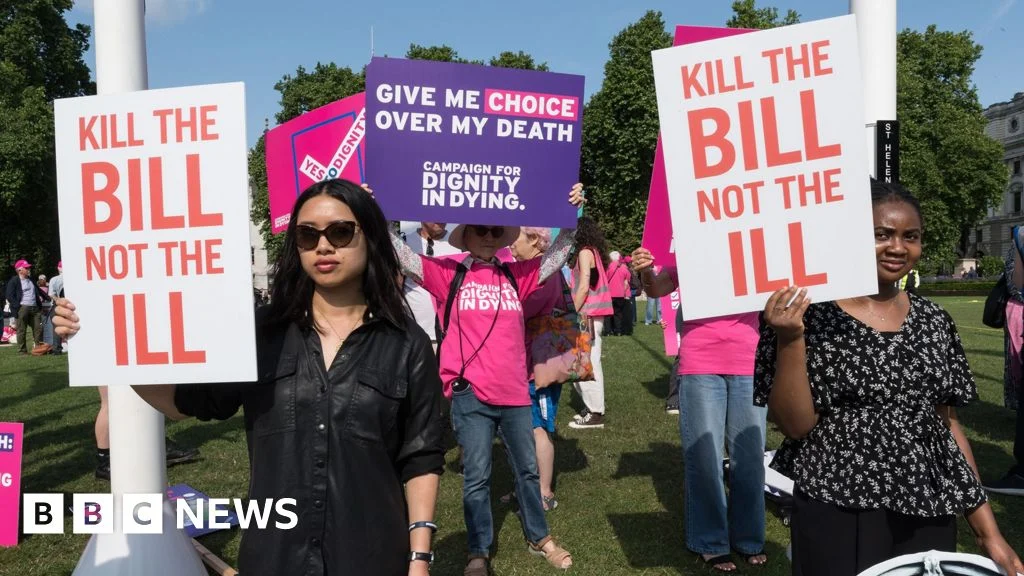
The journey of the Assisted Dying Bill through Westminster has been a contentious one, highlighting the profound ethical, moral, and practical complexities inherent in such a proposal. Initially introduced by Labour backbencher Kim Leadbeater, the bill successfully navigated its passage through the House of Commons last June, a testament to the growing momentum and public support for reforming existing laws. However, its true test came in the House of Lords, where legislative processes differ significantly from the lower chamber. Unlike the Commons, where government whips can often ensure the smooth progression of bills, the Lords operates with less stringent timetables, allowing peers greater latitude to scrutinize and debate every proposed amendment. This procedural difference ultimately proved to be the bill’s undoing.
Opponents of the legislation in the House of Lords mounted a formidable challenge, tabling an unprecedented number of amendments – exceeding 1,200. This figure is believed to be a record high for a backbencher’s bill, a clear indication of the organized and determined effort to slow its progress to a halt. While supporters decried this as deliberate obstruction, a form of filibustering by an unelected chamber, critics maintained that such extensive scrutiny was not only necessary but crucial for legislation of this magnitude and sensitivity. They argued that the sheer volume of amendments reflected deep-seated concerns about the bill’s provisions and potential ramifications.
A central tenet of the opposition’s argument revolved around the perceived lack of robust safeguards within the bill. Critics contended that the proposed framework, which would allow terminally ill individuals with a prognosis of six months or less to seek medical assistance to end their lives, did not adequately protect vulnerable people from coercion or undue influence. Concerns were raised about the potential for individuals, particularly those with disabilities, mental health issues, or those experiencing financial or emotional pressures, to feel compelled to choose assisted dying. Prominent figures among the opponents, such as paralympian Baroness Grey-Thompson, articulated fears that the legislation could inadvertently devalue the lives of the most vulnerable in society, shifting societal attitudes towards those deemed a "burden." They argued that the debates in the Lords had "exposed further problems," revealing fundamental flaws that needed far more comprehensive addressing than a backbench bill could accommodate.
Furthermore, opponents strongly asserted that a backbencher’s bill was the "wrong vehicle for a change of this scale and sensitivity." They argued that a matter with such profound societal and ethical implications, affecting healthcare, human rights, and the very definition of life and death, deserved the full attention and resources of a government-backed initiative. A Private Member’s Bill, by its nature, is limited in parliamentary time and often lacks the extensive preparatory work, impact assessments, and cross-departmental consultation that a government bill would typically entail. This, they claimed, made it inherently unsuitable for such a complex and contentious reform. Luciana Berger, a Labour peer and vocal critic, encapsulated this sentiment by stating, "The assisted dying bill will fall because supporters have refused to engage with its massive flaws – the bill is unsafe and unworkable."
Conversely, supporters of the bill expressed profound disappointment and frustration at its failure to progress. Groups like Dignity in Dying, a leading campaign organization advocating for law reform, condemned the tactics employed by opponents as "fundamentally undemocratic." They argued that a small, unelected group of peers had effectively overridden the will of the elected House of Commons and, by extension, the significant public support for assisted dying. Polling data has consistently shown a majority of the British public in favour of legalizing assisted dying under strict conditions, a point frequently emphasized by proponents.
For supporters, the core of the debate is about individual autonomy, compassion, and preventing unnecessary suffering. They argue that terminally ill individuals, facing excruciating pain and a loss of dignity in their final months, should have the choice to control the timing and manner of their death. The existing law, which criminalizes assisted dying, forces many to endure prolonged suffering or, in some cases, travel abroad to jurisdictions where such practices are legal, often without the necessary medical oversight or support. Lord Falconer, a Labour peer who spearheaded support for the bill in the Lords, had previously hinted at the possibility of invoking the Parliament Acts – rarely-used powers that allow the Commons to override the Lords’ obstruction of an identical bill in a subsequent session. This suggestion underscored the depth of frustration felt by proponents regarding the perceived deliberate obstruction.
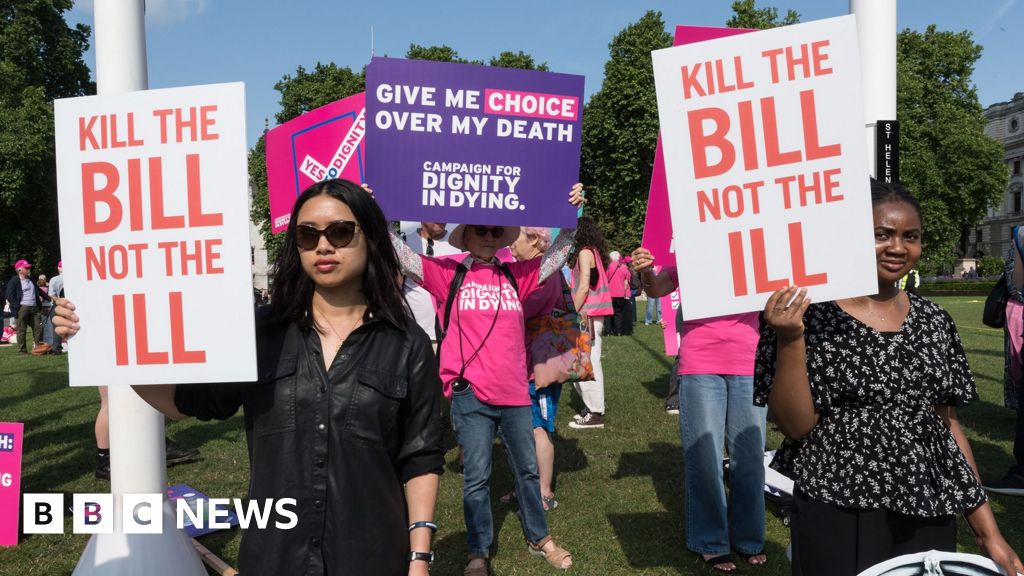
Dignity in Dying highlighted what they termed the "real human cost" of the delay. "One that is measured in the continued suffering of dying people and bereaved families who are being denied the choice, compassion and protection they want and need," their statement read. They maintain that the extensive amendments were not genuine attempts to improve the bill but rather a cynical strategy to exhaust parliamentary time and prevent a vote on the substance of the legislation.
The government’s position throughout this process has been one of declared neutrality. While it granted additional time for scrutiny in the House of Lords, it refrained from offering direct backing or intervention, maintaining that assisted dying is a "matter of conscience" for individual parliamentarians. This neutrality, while upholding the principle of a free vote on such ethical issues, also meant the bill lacked the crucial government resources and dedicated parliamentary timetable that often ensure the passage of significant legislation. Over 100 Labour MPs had written to the Prime Minister earlier this month, urging the government to allocate more time for the bill’s debate, warning that its failure to pass would undermine public trust in politics. However, the government remained steadfast in its neutral stance.
Looking ahead, the path for assisted dying legislation remains uncertain but not closed. A government source, reflecting on the current impasse, suggested that a Royal Commission – an independent public inquiry – could be a more appropriate mechanism to examine the complex proposals contained within Leadbeater’s bill. Such a commission would allow for extensive evidence gathering, expert testimony, and public consultation, potentially building a broader consensus before any new legislative attempt. However, this option would also entail significant delays, potentially pushing any new bill years into the future.
The most immediate route for a proposal to legalize assisted dying to return to Parliament in the next session lies with backbench MPs. They can enter a ballot, and the first 20 names drawn are granted priority time for their Private Member’s Bills. This mechanism, however, is a lottery, offering no guarantee that a bill on assisted dying would be selected, let alone progress further than this one. While the government could, theoretically, introduce its own bill, it has given no indication of any such intention, particularly given its stated neutrality and the deeply divided opinions within its own ranks.
The debate surrounding assisted dying is not unique to the UK. Countries such as Canada, several US states, the Netherlands, Belgium, and New Zealand have already legalized some form of assisted dying or euthanasia, each with its own set of safeguards and eligibility criteria. These international examples often serve as both inspiration and cautionary tales for those on either side of the debate in the UK, highlighting the practical challenges and ethical considerations involved in implementation.
As this parliamentary session draws to a close, the Assisted Dying Bill’s failure to become law represents a pause, not an end, to the conversation. The deeply personal and emotionally charged nature of end-of-life choices ensures that this issue will continue to resonate with the public and parliamentarians alike. While both sides now acknowledge the bill’s immediate fate, the underlying arguments and the human stories driving this debate will undoubtedly fuel renewed efforts in future parliamentary sessions, ensuring that the question of choice at the end of life remains a prominent and pressing concern in British politics.




 Roy Suryo

 Nakalama John
 atisusanti
