Nakalama John
Written by Osmond Chia and Peter Hoskins, the initial reports highlighted the immediate market reaction, with Brent crude, the international benchmark, briefly surging past $109 (£82) a barrel. This dramatic increase followed Trump’s uncompromising rhetoric, which saw him declare the US would achieve its strategic objectives "very shortly" and promised to spend the next "two to three weeks bombing Iran ‘back to the Stone Ages’." Such bellicose language amplified existing anxieties about global energy security and regional stability.
The market’s knee-jerk reaction underscored the fragile sentiment prevailing amidst the Iran war. Earlier on Wednesday, oil prices had actually dipped below $100 a barrel, buoyed by cautious optimism that Trump’s much-anticipated speech would outline a clear strategy for the US to exit the conflict and restore stability. However, the President’s address merely repeated previous warnings and threats, failing to provide any concrete details on de-escalation or a timeline for the reopening of critical shipping lanes, thereby extinguishing any nascent hopes for a swift resolution.
The ongoing conflict has profoundly disrupted global oil and gas supplies, with the most significant impact stemming from the severe curtailment of oil shipments through the Strait of Hormuz. This vital waterway, a narrow choke point between the Persian Gulf and the Arabian Sea, is crucial for global energy trade, typically facilitating the passage of about one-fifth of the world’s total oil consumption and a significant portion of liquefied natural gas (LNG). Following the commencement of US-Israeli strikes on February 28, Iran retaliated by threatening to attack any tankers attempting to cross the Strait, effectively bringing maritime traffic to a near standstill.
In his speech, President Trump controversially asserted that the US no longer needed the Middle East’s energy resources, urging other nations to intervene directly to free up the disrupted shipments from the Gulf. He declared, "To those countries that can’t get fuel, many of which refuse to get involved in the decapitation of Iran… build up some delayed courage, go to the Strait and just take it." This provocative statement was widely interpreted as an abdication of responsibility for securing global energy flows and an incitement for other nations to engage in potentially dangerous unilateral actions, further exacerbating geopolitical tensions.
Moments after the televised speech, oil prices, which had been fluctuating incrementally, shot upwards. Brent crude, the global benchmark, saw an increase of more than 8% on Thursday before settling slightly lower. Similarly, the US benchmark, West Texas Intermediate (WTI), which had shown some resilience earlier in the conflict compared to Brent, also experienced a significant surge, briefly trading above $110 a barrel in Thursday morning trade in New York before retreating marginally. This rapid price escalation signaled a "clear market reality check following the earlier optimism for an imminent ceasefire," according to Alberto Bellorin, founder and managing director at InterCapital Energy, an oil and gas consultancy.
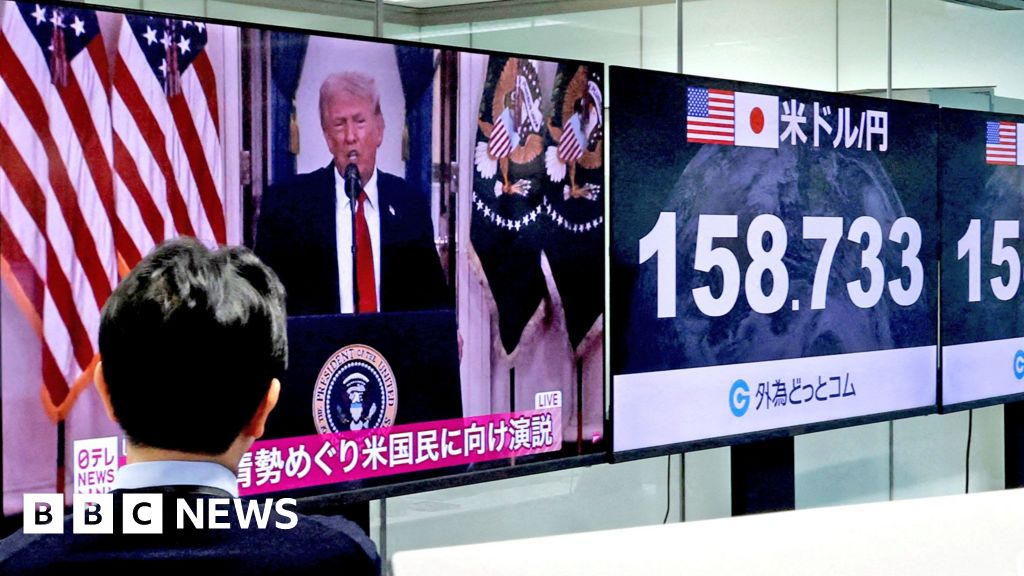
Bellorin emphasized that Trump’s speech critically lacked a "concrete timeline" for the reopening of the Strait of Hormuz, pushing the prospect of a return to normal shipping operations "months away rather than weeks." He further argued that by explicitly urging other nations to take responsibility for securing the Strait, Trump had effectively removed any remaining hope for a swift, US-led resolution to the disruptions in global energy supplies. The President’s assertion that "When this conflict is over, the strait will open up naturally. It will just open up naturally," offered little reassurance to a market craving tangible plans for de-escalation.
However, Anne-Sophie Corbeau, former head of gas analysis at oil giant BP and now at the Center on Global Energy Policy at Columbia University, presented a far more sobering outlook. Speaking on the BBC’s Today programme, Corbeau suggested that even after the cessation of hostilities, a full return to normal flows could take considerably longer than anticipated. She highlighted that the Gulf’s energy infrastructure has sustained significant damage from the strikes by Iran, Israel, and the US, estimating that comprehensive repairs could take between three and five years. This prolonged recovery period implies that disruptions to traffic through the Strait of Hormuz are likely to persist, not just in terms of security but also capacity.
Corbeau also warned of "quite substantial" additional costs in the form of fees to use the Strait. She indicated that ships were currently subject to a charge in the region of $2 million for using the waterway, a fee which, if made permanent, would represent "the worst-case solution" for users. Such charges would inevitably translate into higher shipping costs, which would then be passed on to consumers globally, contributing to inflationary pressures and further dampening economic growth. The combination of physical damage, ongoing security risks, and potential new transit fees paints a grim picture for the future of energy trade through the region.
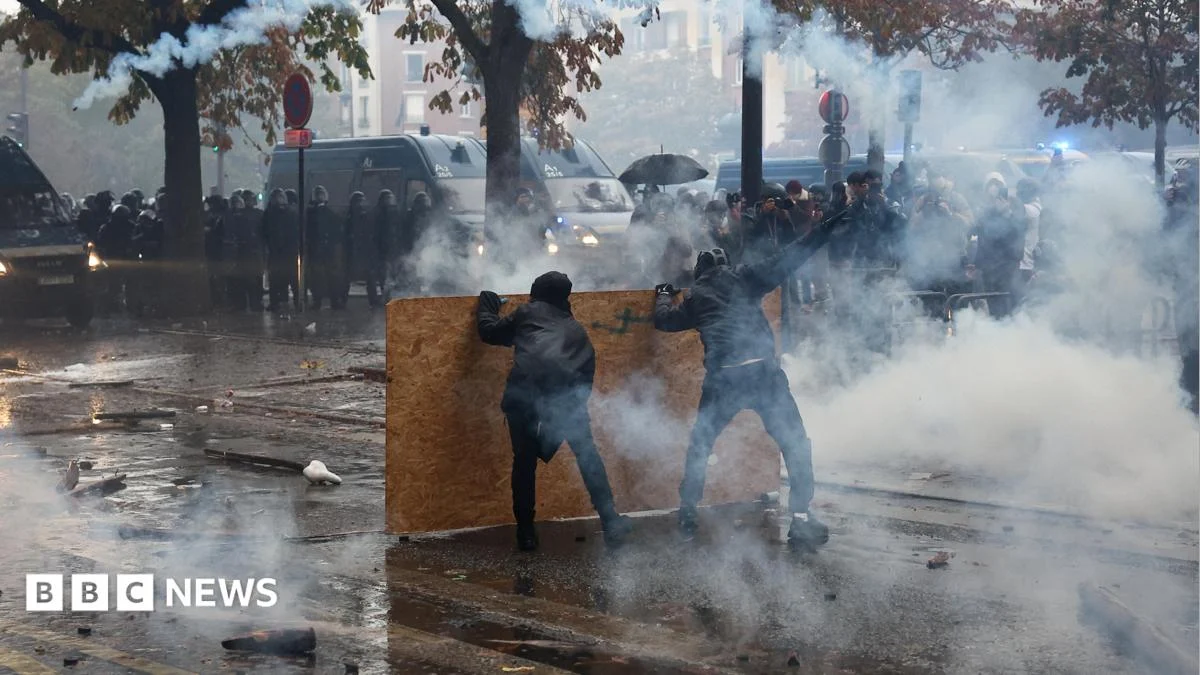
The negative market sentiment was palpable across global stock exchanges. In the United States, the Dow Jones Industrial Average, the S&P 500, and Nasdaq all registered declines of more than 1% in early morning trading, reflecting investor anxiety over escalating geopolitical risks and the potential for a sustained period of high energy prices. European markets also experienced significant volatility. While the UK’s FTSE 100 index initially fell in early afternoon trade, it managed to close 0.69% higher, indicating some late recovery. However, France’s Cac index closed down 0.24%, and Germany’s Dax closed down 0.79%, both having regained some earlier, steeper falls.
Asia’s major stock indexes were particularly hard hit, reversing earlier gains following Trump’s address. Japan’s Nikkei 225 closed down 2.4%, and South Korea’s Kospi ended 4.5% lower. The region’s stock markets have been exceptionally volatile since the Iran war began, a vulnerability stemming from Asia’s heavy reliance on the Middle East for its energy supplies. Any disruption in this critical supply chain has immediate and severe repercussions for Asian economies, impacting everything from manufacturing costs to consumer prices and overall economic stability. The uncertainty surrounding the conflict’s duration and the lack of a clear exit strategy continue to fuel investor apprehension and underscore the profound economic consequences of escalating tensions in the Middle East.



 George Anjay
 atisusanti
 Ramos Leo