Nakalama John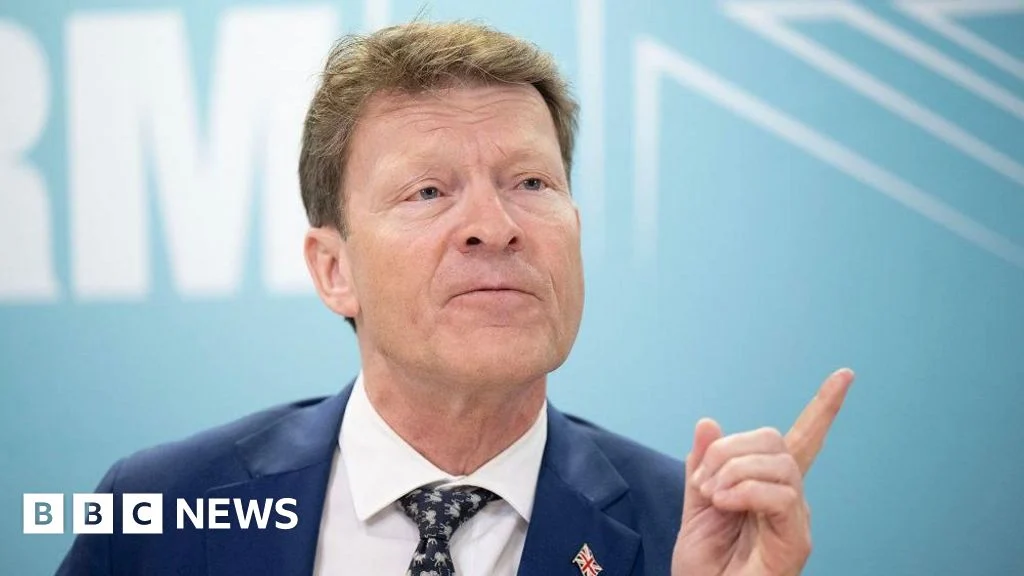
A significant dispute surrounding tax payments made by Reform UK deputy leader Richard Tice’s property company has been dismissed by his party as merely a "minor administrative error." The controversy centers on allegations that Quidnet REIT Limited, a company founded and owned by Tice, failed to remit approximately £91,000 in tax before distributing dividends to Tice himself and to an offshore trust registered in Jersey. These revelations, first reported by The Sunday Times, have ignited a fresh round of political scrutiny into Tice’s financial affairs, following previous claims of tax avoidance.
Reform UK, however, staunchly defends its deputy leader, characterizing the alleged oversight as a "technicality." Tice himself, along with other party spokespeople, has asserted that "overall HMRC received the correct amount of tax due," arguing that any underpayment by the company was effectively offset by an overpayment of income tax on his part. This explanation, while attempting to mitigate the damage, has done little to quell the outrage from opposition parties, who view the matter as a serious challenge to Tice’s integrity and credibility.
Quidnet REIT Limited, the company at the heart of the controversy, is a property investment firm specializing in real estate. The Sunday Times exposé detailed how the company allegedly "did not pay a required 20 per cent levy on [its] dividends" before the profits were channelled to Tice and his Jersey-registered trust. This specific levy, a crucial component of corporate tax obligations, is designed to ensure that a portion of profits is taxed at the company level before individual shareholders receive their distributions. The alleged failure to pay this corporate-level tax has raised questions about adherence to UK tax regulations.
Zia Yusuf, Reform UK’s home affairs spokesperson, acknowledged that there might have been a "minor administrative error" in the company’s tax filings but was quick to dismiss the entire affair as a "non-story" during an interview with Sky News. Yusuf elaborated on the party’s defense, stating: "Any tax that would have not been paid or underpaid by the company paying the dividend… would then have been overpaid by Richard himself in the form of income tax." He concluded, "So it does look like HMRC netted off in the same way." This argument posits a compensatory mechanism, suggesting that even if the company’s tax obligation was initially mismanaged, the ultimate tax burden on Tice as an individual shareholder effectively balanced the scales, ensuring no net loss to the Exchequer.
Richard Tice himself took to X (formerly Twitter) to address the accusations directly. In a post, he reiterated that The Sunday Times‘s reporting, despite its critical tone, "effectively revealed that overall HMRC received the correct amount of tax due." He went on to suggest that the newspaper was "effectively complaining I paid too much tax rather than [my] company pay some tax on my behalf." Tice’s stance implies that the issue is one of who paid the tax – the company or the individual – rather than whether the tax was paid at all, maintaining that the total amount reaching HMRC was correct.
The political fallout from these allegations has been immediate and severe. A Labour Party spokesperson condemned the situation as "a major scandal which goes to the heart of Richard Tice’s integrity and credibility." They emphasized that "Reform cannot ignore it" and demanded that "Richard Tice urgently needs to explain whether his business followed the law and paid the full tax it owed." Labour’s strong reaction underscores the potent political weapon that tax affairs can become, particularly for a party like Reform UK, which often campaigns on platforms of fiscal responsibility and government efficiency. The integrity of a leading figure’s financial conduct is seen as directly relevant to their fitness for public office.
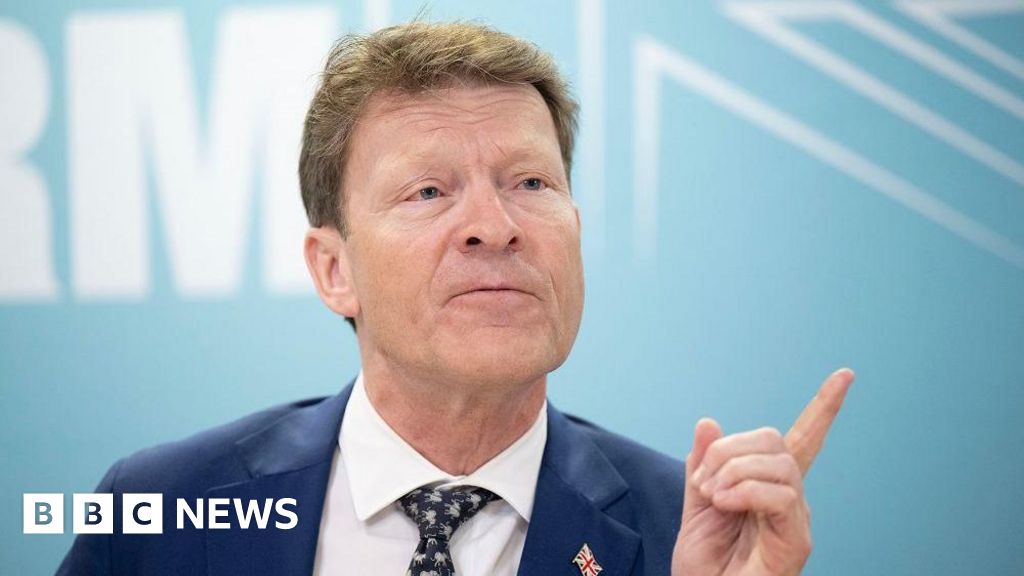
Adding to the chorus of condemnation, Liberal Democrats leader Sir Ed Davey called for Tice’s immediate dismissal from his role as deputy leader. Sir Ed tweeted, labelling the situation as "Morally completely indefensible" and urging, "Farage should sack Richard Tice immediately." This call for a swift removal highlights the moral dimension that opposition parties are attempting to attach to the tax row, suggesting that even if the legal technicalities are debated, the perception of avoidance or improper conduct is damaging enough to warrant severe political consequences.
The current row is not an isolated incident but rather the latest in a series of questions raised about Tice’s tax affairs. Just last month, the Labour Party formally requested HM Revenue and Customs (HMRC) to investigate Tice’s tax arrangements. Labour’s chair, Anna Turley, wrote to the tax authority after a previous Sunday Times report alleged that Tice had "avoided nearly £600,000 in corporation tax" through his property company, Quidnet Reit Ltd. This earlier report focused on different mechanisms but painted a picture of aggressive tax planning, setting a precedent for the current scrutiny.
In response to those earlier allegations, Tice held a press conference in Westminster, where he vigorously defended his company’s practices. He asserted that Quidnet Reit Ltd was "a UK company paying UK tax in accordance with UK laws," firmly rejecting any insinuation of wrongdoing. Crucially, Tice also articulated his philosophy on tax obligations, stating there was no "obligation" to pay the maximum tax required and implying that few individuals or businesses would voluntarily choose to do so.
During that press conference, Tice challenged journalists with a rhetorical question that encapsulated his viewpoint: "How many friends of yours would voluntarily choose to pay more tax than they are legally obliged to do?" He further elaborated on this principle, stating, "The idea that morally, we have got to pay the maximum tax we possibly can – therein lies the road to ruin for the UK as an economy." This argument suggests that optimizing tax payments within legal frameworks is not only permissible but, in his view, a rational economic decision, contrasting sharply with the "moral indefensibility" claims from opposition parties.
HMRC, adhering to its strict protocols, has maintained a neutral stance throughout the unfolding saga. A spokesperson for the tax authority stated, "We neither confirm nor deny investigations and we cannot comment on identifiable individuals." This standard response reflects HMRC’s commitment to taxpayer confidentiality and the integrity of any potential investigations, preventing them from either validating or refuting the claims made by political parties or media outlets. However, the fact that a formal request for investigation has been lodged by a major political party adds a layer of official concern to the ongoing public debate.
The recurring nature of these tax allegations poses a significant challenge for Richard Tice and Reform UK, particularly as the political landscape gears up for future elections, including the upcoming Holyrood election mentioned in the image context, but more broadly, national contests. Reform UK has often positioned itself as a party committed to economic efficiency, lower taxes, and responsible financial management. Allegations of a senior figure’s company failing to meet its tax obligations, or engaging in aggressive tax planning, can undermine this core message and erode public trust. The distinction between legitimate tax planning, avoidance, and evasion often becomes blurred in public discourse, and the political cost can be substantial regardless of the legal outcome. The dispute highlights the ongoing tension between individual and corporate financial strategies and the broader societal expectation of fair tax contributions, a debate that is likely to continue to define Tice’s public image and Reform UK’s credibility in the coming months.




 George Anjay
 atisusanti
 Ramos Leo