Nakalama John
"The best economic policy now, not just for the UK, but globally, is to de-escalate," the Chancellor asserted, emphasizing the urgent need for a diplomatic off-ramp rather than continued military engagement. This statement highlights a core belief within the current UK government that sustained conflict, particularly in a region as volatile and economically critical as the Middle East, is inherently detrimental to global prosperity and stability. The UK’s stance is further reinforced by its explicit refusal to participate in the US military blockade of the strategically vital Strait of Hormuz, a key maritime choke point designed to intensify pressure on Iran by disrupting its oil and gas exports. This refusal is a clear signal that while the UK remains a steadfast ally, it is unwilling to lend its military might to an operation it views as counterproductive and economically damaging.
Addressing the inevitable question of whether these growing differences over the conflict have strained the "special relationship" between the UK and the US, Reeves offered a nuanced reply. While she maintained that the foundational bond between the two nations remained strong, she added pointedly, "Friends are allowed to disagree." This diplomatic framing belies the very real and significant policy chasm that has emerged, suggesting that the disagreements are not merely superficial but touch upon fundamental strategic approaches to international security and economic stability. The UK’s Labour government, led by Prime Minister Sir Keir Starmer, appears determined to carve out an independent foreign policy position, prioritizing de-escalation and economic prudence over alignment with a US strategy it clearly views as flawed.
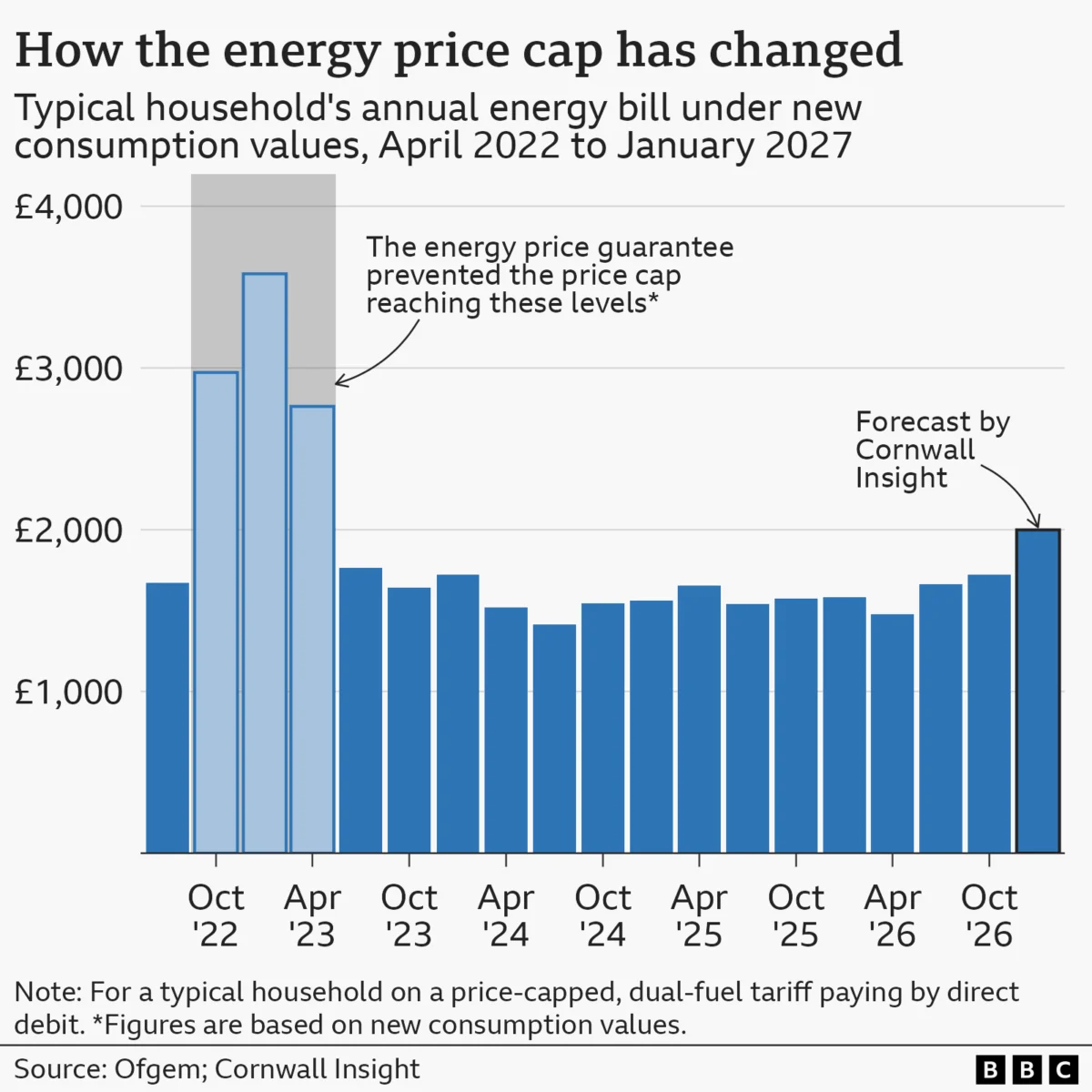
Reeves minced no words in expressing her skepticism about the efficacy of the US’s actions. She stated unequivocally that she was "not convinced that this conflict [had] made the world a safer place." Beyond the immediate human cost and regional instability, the Chancellor painted a grim picture of the long-term economic repercussions. She highlighted the extensive damage inflicted upon critical oil and gas facilities in the Middle East, an outcome that promises enduring global economic pain. The past six weeks of conflict have already seen energy prices soar dramatically, directly impacting consumers and businesses worldwide. Furthermore, the disruption to traffic through the Strait of Hormuz has severely hampered global shipping, causing ripple effects across international supply chains and commodity markets.
During her address at the Invest in America Forum, Reeves acknowledged sharing the Trump administration’s "strong dislike of the Iranian regime." However, she quickly pivoted to underscore that the critical question was not one of shared antipathy, but "how best to achieve change." This distinction is crucial, revealing a fundamental difference in strategic thinking: while the US opted for military confrontation, the UK appears to advocate for continued diplomatic pressure, sanctions, and negotiation, even in the face of a challenging adversary.
A significant point of contention for the Chancellor was the perceived lack of a coherent and consistent strategy from the US throughout the conflict. She lamented the absence of clarity over the last six weeks regarding the US’s ultimate objective. Was it to instigate regime change in Iran? To dismantle any potential Iranian nuclear weapons programme? Or to force a return to diplomatic negotiations, which, as Reeves pointed out, "were already taking place before the conflict" even began? This ambiguity, in the UK’s view, has contributed to the conflict’s escalation and made a resolution far more elusive.
The US has recently shifted its rhetoric, focusing heavily on the imperative of reopening the Strait of Hormuz to shipping, thereby allowing critical oil and gas exports to resume unhindered. Reeves, ever the pragmatist, responded with a cutting observation: "If that’s the aim, well it was open a few weeks ago." This pointed remark highlights the irony of the situation, suggesting that the military action has inadvertently created the very problem it now seeks to solve, all while incurring immense economic and geopolitical costs.
In a concerted effort to find a path toward de-escalation and stability, the UK is taking proactive steps. Reeves announced that UK Prime Minister Sir Keir Starmer and French President Emmanuel Macron would be co-hosting crucial talks on Friday. The objective of these discussions would be to explore strategies for facilitating safe navigation through the Strait of Hormuz, specifically in the event of a "proper ceasefire." "We are ready to play our part," Reeves affirmed, reiterating the UK’s commitment to finding practical solutions to the crisis. Yet, she underscored the original state of affairs: "But the Strait of Hormuz was open, there was no tolling, a few weeks ago," a poignant reminder of the avoidable nature of the current predicament.
Despite her outspoken criticism of US policy, the Chancellor was keen to emphasize that she still believed the US and the UK shared "a very good relationship." As a testament to this enduring bond, she pointed to the upcoming visit of the King, a symbolic gesture designed to underscore the strength of the alliance despite the current diplomatic friction. Such high-level engagements are often utilized to project unity and continuity, even when policy differences are stark.
The economic fallout from the conflict is already being quantified by international bodies. In its latest World Economic Outlook, the International Monetary Fund (IMF) has significantly downgraded its forecast for UK growth this year to a mere 0.8%. This represents a substantial reduction from its January projection of 1.3%, a forecast made before the outbreak of hostilities. Reeves openly acknowledged the profound impact of the conflict on the UK, a nation heavily reliant on gas imports. "Our growth will be higher and inflation will be lower if the conflict comes to an end," she stated, linking the nation’s economic health directly to a resolution of the Middle East crisis. However, ever the optimist, she added a note of defiance, declaring, "We beat the forecasts for the UK economy last year. I’m confident we’ll beat them again," implying a resilience within the British economy and perhaps a hope for swift de-escalation.
The Chancellor’s sentiments regarding the conflict are not confined to official forums. On Tuesday, in a more direct interview with the Mirror newspaper, Reeves revealed her personal feelings on the matter, expressing that she was feeling "very frustrated and angry that the US went into this war without a clear exit plan, without a clear idea of what they were trying to achieve." When pressed on the reasons for her strong emotional response, she told the paper it was primarily because of the severe economic impact on UK families and businesses, underscoring the tangible, everyday consequences of distant geopolitical decisions.
In stark contrast to Reeves’ position, US Treasury Secretary Scott Bessent had earlier presented a different perspective to the BBC. Bessent argued that a "small bit of economic pain" was a worthwhile price to pay for long-term international security. He conveyed less concern about the immediate economic hit and more about the existential risk posed by Iran to global stability. Bessent asserted that the combined actions of the US and Israel had effectively eliminated the "tail risk" of Iranian nuclear strikes against Western nations, framing the military intervention as a necessary evil to ensure greater security in the long run.
However, the UK government’s assessment diverges significantly on this specific point of threat perception. Official statements from London indicate that there is "no assessment" to suggest that Iran is actively trying to target Europe with missiles. This discrepancy in intelligence assessment further underscores the fundamental differences in rationale and strategy between Washington and London, highlighting how differing interpretations of threat levels can lead to profoundly different policy choices. The ongoing dialogue between these traditional allies, marked by both shared values and significant policy disagreements, will continue to shape the geopolitical landscape as the world grapples with the fallout of the war on Iran.


 Roy Suryo