
 Roy Suryo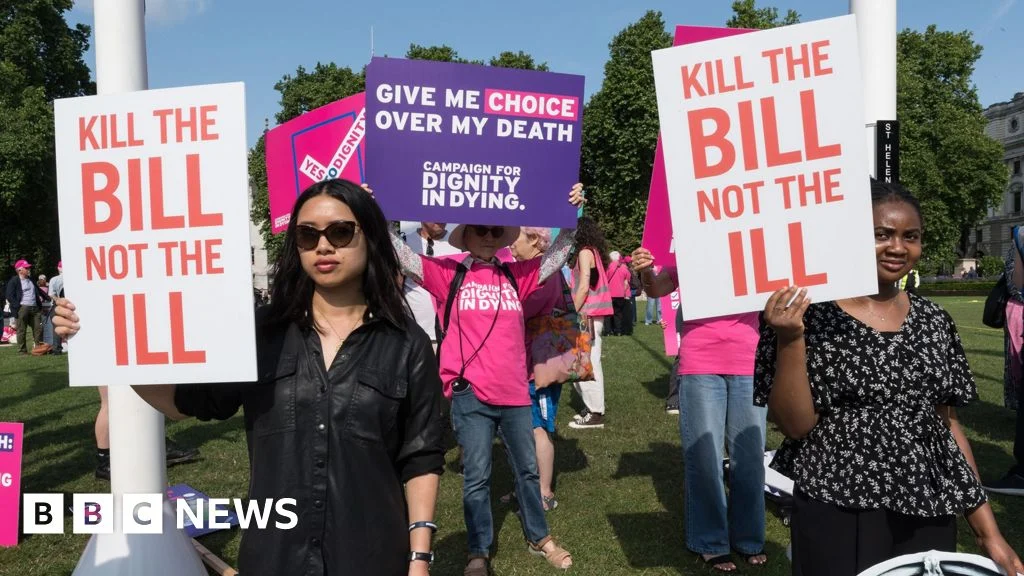
A landmark bill to legalise assisted dying in England and Wales has dramatically run out of parliamentary time, a mere 17 months after it first secured a crucial vote in the House of Commons. The proposed legislation, which aimed to allow terminally ill adults with a prognosis of six months or less to seek medical assistance to end their lives under strict safeguards, has been stalled in the House of Lords. Despite the setback, ardent supporters of the bill have pledged to resurrect the cause, expressing firm confidence that the legislation will be reintroduced in the next parliamentary session, scheduled to commence on May 13th.
The bill’s demise in the Lords has been attributed by proponents to what they describe as "delaying tactics" employed by some peers, who they argue have deliberately obstructed its progress. Conversely, critics have voiced significant concerns, asserting that the bill lacks adequate safeguards to protect vulnerable individuals. The extent of the opposition became starkly evident with the tabling of over 1,200 amendments in the House of Lords, a figure believed to be a record for a bill initiated by a backbench Member of Parliament.
The legislative journey of the bill reached its conclusion on Friday, which marked the 14th and final day allocated for the committee stage in the Lords. This critical phase is designed for detailed scrutiny of the bill, allowing for line-by-line assessment and consideration of potential amendments. The failure to progress beyond this stage means the bill will not become law in the current parliamentary session.
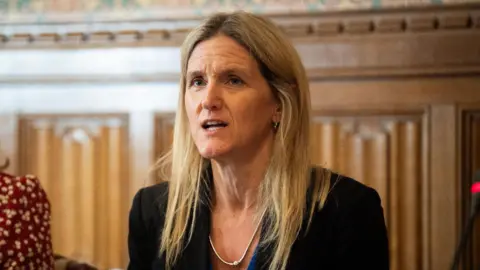
Labour MP Kim Leadbeater, who championed the bill in the House of Commons, conveyed a profound "sense of sadness and sorrow" at its inability to pass. Nevertheless, she remained resolute, emphasising the persistent "appetite" for such legislation and expressing her "confidence" in its future reintroduction. Speaking at a press conference following the bill’s collapse, Leadbeater directly criticised members of the House of Lords, accusing them of holding up the democratic process and stating, "This isn’t what democracy looks like."
Leadbeater further revealed that a considerable number of MPs are prepared to reintroduce the same bill in the upcoming parliamentary session, contingent on their success in the Private Members’ Bill ballot. This ballot offers MPs an opportunity to propose legislation and secures them debating time during Friday sittings. The conviction among supporters is palpable, with one source indicating to the BBC that over 100 MPs are ready to back the bill, and an additional 100 could be persuaded to support it. Leadbeater expressed her hope that the bill would once again successfully navigate the House of Commons and that an agreement could be reached with peers regarding any necessary amendments.
In a significant development, Leadbeater also alluded to the potential utilisation of the Parliament Acts, a rarely invoked legislative mechanism designed to overcome opposition from the House of Lords. Under these provisions, if an identical bill passes the House of Commons for a second time, the Lords are precluded from preventing its progression, and it can become law at the conclusion of that second session, even without their assent. This offers a powerful constitutional avenue for advocates of assisted dying to ensure their cause is not indefinitely blocked.
Baroness Grey-Thompson, who opposed the bill, articulated her reasons for its failure, stating that it contained "tonnes of holes in it" and that it arrived in the Lords with a "very clear message" from MPs to implement improvements. The independent crossbench peer, also a distinguished 11-time Paralympic gold medallist, shared her perspective with the BBC, expressing no satisfaction in the bill’s failure, as it did not address the core problem it aimed to solve. She highlighted the recurring emphasis on the voices of terminally ill individuals, while also underscoring the importance of considering those who "feel they have no choice." Baroness Grey-Thompson revealed she had received thousands of emails, many from disabled people expressing gratitude for the protection of their rights.
Joining Leadbeater after the Lords debate were Sophie Blake, who is living with stage four secondary breast cancer, and Rebecca Wilcox, daughter of broadcaster Esther Rantzen, who is battling lung cancer. Blake expressed a profound sense of disappointment, feeling that the "hope" she and other supporters had experienced when the bill was initially backed by MPs had been "taken away" by an "unelected and unaccountable group of individuals." Wilcox, while expressing optimism for the bill’s future success, told reporters, "We’ve got the stamina, we’ve got the energy, we will do it." However, she admitted uncertainty about whether her mother would live to see the bill become law, adding, "I’m a bit furious about that."
Lord Falconer, who was spearheading the bill’s passage through the House of Lords, commenced the final day of debate with a declaration of feeling "despondent." He argued that the bill’s demise was not due to its inherent merits but rather a consequence of "procedural wrangling." Baroness Coffey, a former Conservative minister who had tabled several amendments, stated that her aim was to "draw out how the bill would work in practice – whether the safeguards claimed would really provide safeguards in practice." She voiced her apprehension that "many peers and many MPs are putting choice for some, ahead of concern on coercion for others."
Baroness Campbell of Surbiton, a former commissioner at the Equality and Human Rights Commission (EHRC), echoed these concerns, asserting that the bill "frightens" disabled people and that their concerns were "real and repeated." She clarified that the amendments she contributed to were intended to "strengthen safeguards," labelling this as a "duty" rather than obstruction.
Throughout the debate, several peers echoed Lord Falconer’s criticism that opponents had deliberately prolonged the bill’s progress. Crossbench peer Lord Pannick declared that the Lords’ "failure" to reach a vote on the bill was "a stain on the reputation of this House," while Conservative Lord Baker described the situation as a "constitutional farrago." The intense debate and the significant number of amendments underscore the deeply divided opinions surrounding assisted dying, setting the stage for a renewed and potentially even more contentious battle in the next parliamentary session. The commitment of its supporters, coupled with the constitutional mechanisms available, suggests this legislative fight is far from over.




 George Anjay
 Nakalama John
 atisusanti
 Ramos Leo
 Nana Banana