Nana Banana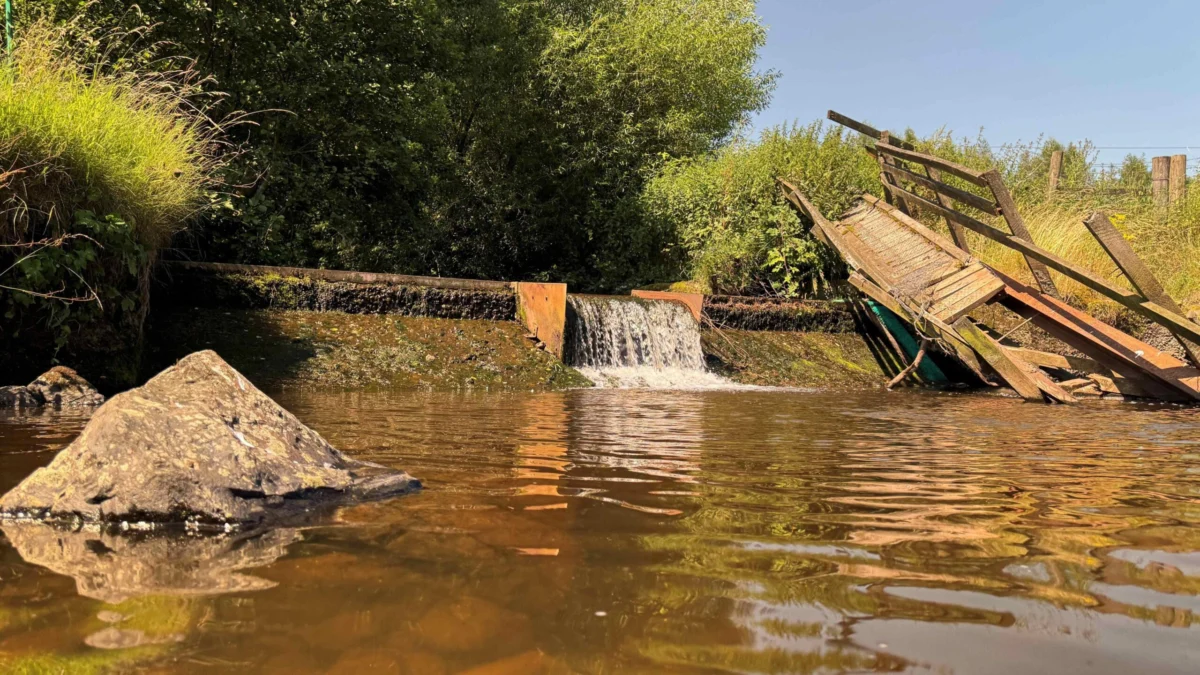
A vital £50,000 conservation initiative is actively underway at Glinger Burn, near Longtown, in a concerted effort to reverse the fortunes of the critically endangered European eel and foster a healthier river ecosystem. Spearheaded by the West Cumbria Rivers Trust (WCRT) and generously funded by the Environment Agency, this ambitious project involves the systematic dismantling of a redundant weir, a man-made barrier that has long impeded the natural migration patterns of aquatic life. The removal of this obstacle is a significant step towards restoring critical river connectivity, crucial for the survival of the European eel and a host of other fish species.
The European eel (Anguilla anguilla) faces a dire predicament, with its population plummeting by a staggering 90% over the past three decades. This dramatic decline has earned it a "critically endangered" status on the IUCN Red List, highlighting an urgent need for intervention. The complex life cycle of the European eel, which begins in the Sargasso Sea, involves an epic transatlantic migration as larvae, developing into "glass eels" and then "elvers" as they enter European freshwater systems, where they mature for many years before undertaking the arduous return journey to spawn. Barriers like the Glinger Burn weir represent formidable challenges to this extraordinary migration, trapping eels and preventing them from accessing essential feeding grounds upstream or safely returning to the sea to reproduce.
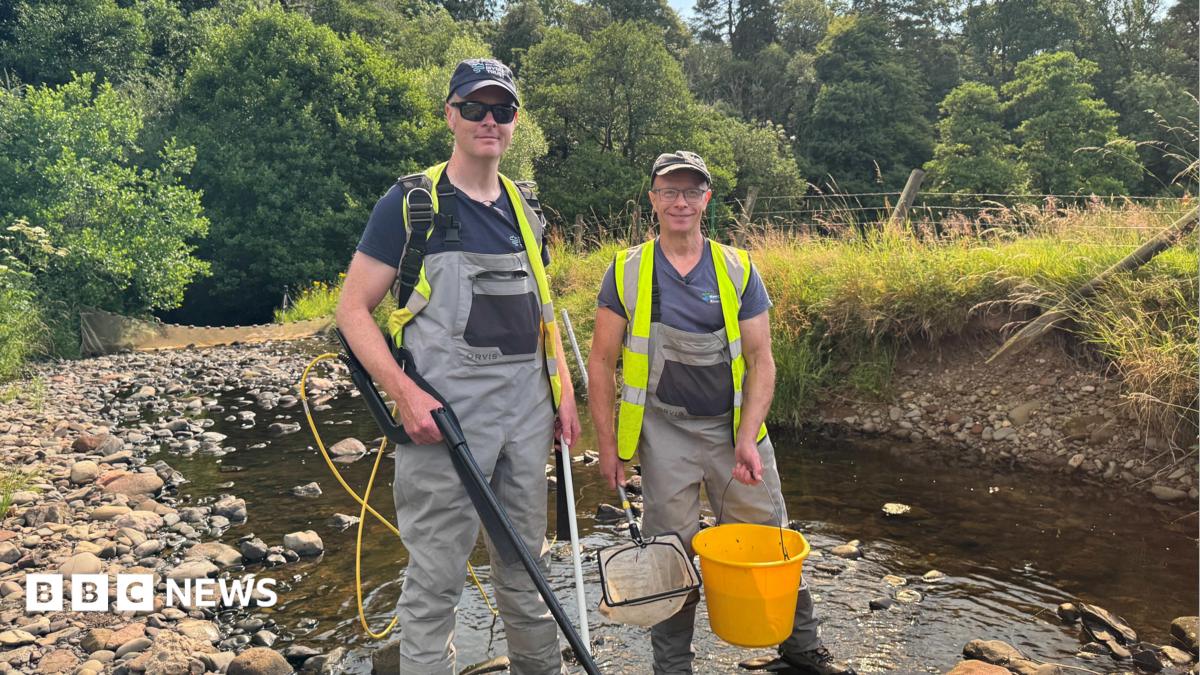
Luke Bryant, Assistant Director at West Cumbria Rivers Trust, underscored the difficulties faced by these resilient creatures. "Eels struggled to get up the weir when the river flow was low," he explained, noting that while "maybe in the winter when there’s really heavy flow they can, a lot of the time they’ll struggle." This struggle is not merely an inconvenience; it can lead to injury as eels attempt to leap the barrier or force them to expend vital energy, weakening them and reducing their chances of survival and successful reproduction. The presence of such weirs fragments their habitats, making entire stretches of river inaccessible and severely limiting the areas where they can feed and grow. Beyond the immediate physical barrier, weirs can also alter natural river flow, affecting water quality, oxygen levels, and sediment transport, all of which contribute to a less hospitable environment for aquatic species.
Historically, weirs were constructed for various purposes: powering mills, controlling water levels for navigation, or managing flood risk. However, many of these structures have become obsolete, serving no modern function yet continuing to pose a significant threat to riverine biodiversity. The Glinger Burn weir is one such redundant structure, its removal representing a commitment to prioritising ecological health over outdated infrastructure. The £50,000 investment from the Environment Agency is a testament to the recognized importance of such "dam removal" projects, which are increasingly seen as a cost-effective and highly impactful method of river restoration.
The current phase of the project involves a dedicated two-week period of intensive work, with diggers carefully dismantling the weir. This process requires meticulous planning and execution to minimise disturbance to the existing river environment and its inhabitants. Once the concrete and stone structure is removed, the river will no longer be artificially constricted, allowing its natural course to re-establish itself. However, the work doesn’t stop there. The WCRT team will then embark on the crucial phase of naturalising the riverbed. This involves the creation of "step pools" – a series of gently cascading pools and riffles that mimic natural river features. These engineered steps provide a graded incline, making it far easier for eels and other fish to navigate upstream and downstream without encountering sudden, impassable drops.
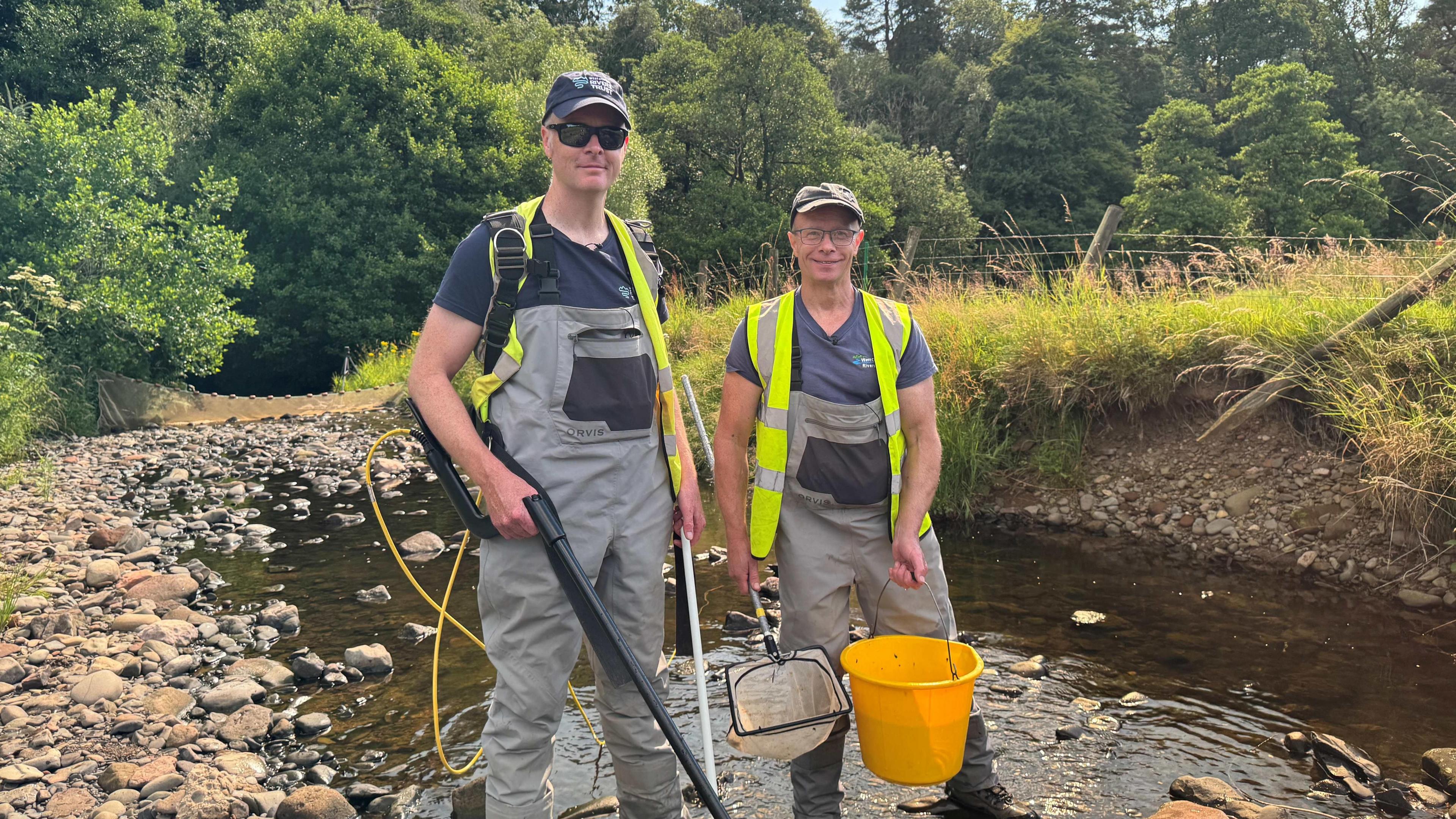
Bryant articulated the vision behind this naturalisation: "We call them step pools and that will give us that balance of a healthy river with no more barriers." These step pools are designed not only for easy passage but also to enhance habitat diversity. The varied flow patterns create different micro-habitats – deeper, calmer pools for resting, and shallower, faster-flowing riffles with gravel beds that are ideal for spawning salmon and trout. This improved habitat structure benefits a wide array of riverine organisms, from invertebrates that form the base of the food chain to the larger fish that rely on them. Enhanced sediment transport also occurs naturally, leading to healthier riverbeds and banks, and improving overall water quality.
This project at Glinger Burn marks the first of several planned by the West Cumbria Rivers Trust over the summer months, each targeting specific issues to help species at risk. The trust’s work is part of a broader, national effort to restore river connectivity and health, recognizing that many of Britain’s waterways are fragmented by thousands of man-made barriers.
Bryant expressed a hopeful outlook on the impact of these efforts, stating that he hoped the work would help "right some wrongs" that have adversely affected not just eel numbers but also populations of salmon and trout in rivers across the country. Salmon and trout, like eels, are migratory species, requiring unobstructed passage to reach their spawning grounds. Weirs can prevent them from accessing vital nursery areas, leading to reduced breeding success and genetic isolation within populations. By removing these barriers, the project facilitates genetic exchange and allows populations to colonise new areas, bolstering their resilience against environmental changes.
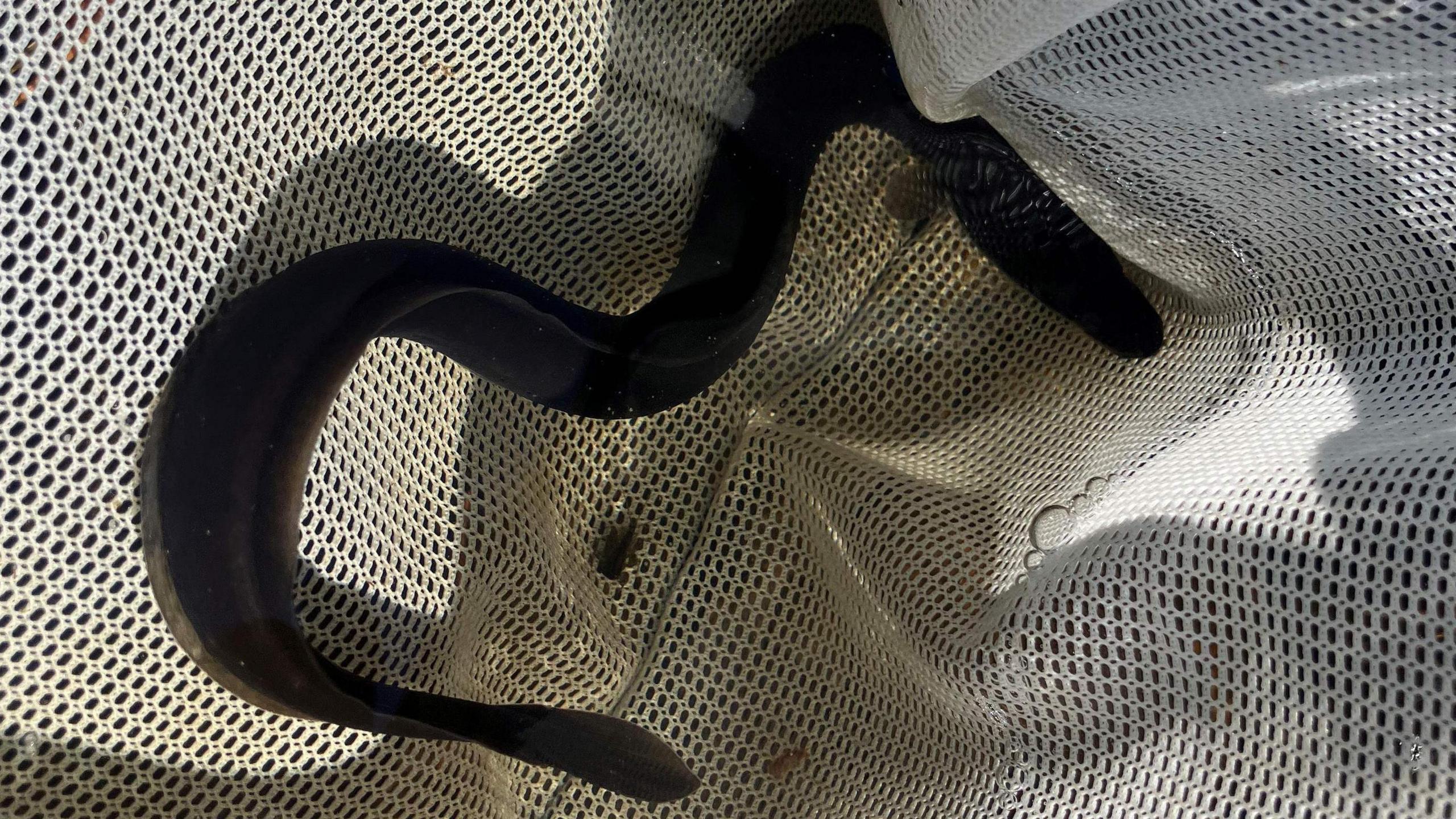
The Assistant Director emphasised the collective power of such localised efforts: "If we can fix even a small bit of river like this in one summer… and lots of other river trusts will be doing similar work, we’ll have a much better chance that the species in this country can be more resilient." This collaborative approach, where numerous organisations tackle specific issues across different river systems, cumulatively contributes to a significant positive impact on national biodiversity.
The plight of the European eel is a complex issue, driven by multiple pressures beyond just physical barriers. Overfishing, both historically and through ongoing illegal trade, has severely depleted stocks. Pollution, from agricultural runoff to industrial discharges and microplastics, degrades water quality and impacts eel health. The spread of parasites, such as Anguillicola crassus, introduced from Asia, has also weakened populations. Furthermore, climate change poses a significant long-term threat, potentially altering ocean currents that guide the eels’ larval migration from the Sargasso Sea, making their epic journey even more precarious. Projects like the Glinger Burn weir demolition are therefore critical components of a multifaceted conservation strategy, addressing one of the most direct and tangible threats to their survival.
The successful removal of the Glinger Burn weir and the subsequent naturalisation of the river will serve as a beacon of hope for the European eel and other struggling aquatic species. It demonstrates a proactive approach to conservation, moving beyond mere protection to active restoration of natural habitats. By investing in such initiatives, West Cumbria Rivers Trust, in partnership with the Environment Agency and other stakeholders, is making tangible progress towards a future where rivers flow freely, and endangered species like the European eel can once again thrive in their natural environment, completing their incredible life cycles unhindered.


 Nakalama John
 George Anjay
 Ramos Leo
 atisusanti
 Roy Suryo