
 Nana Banana
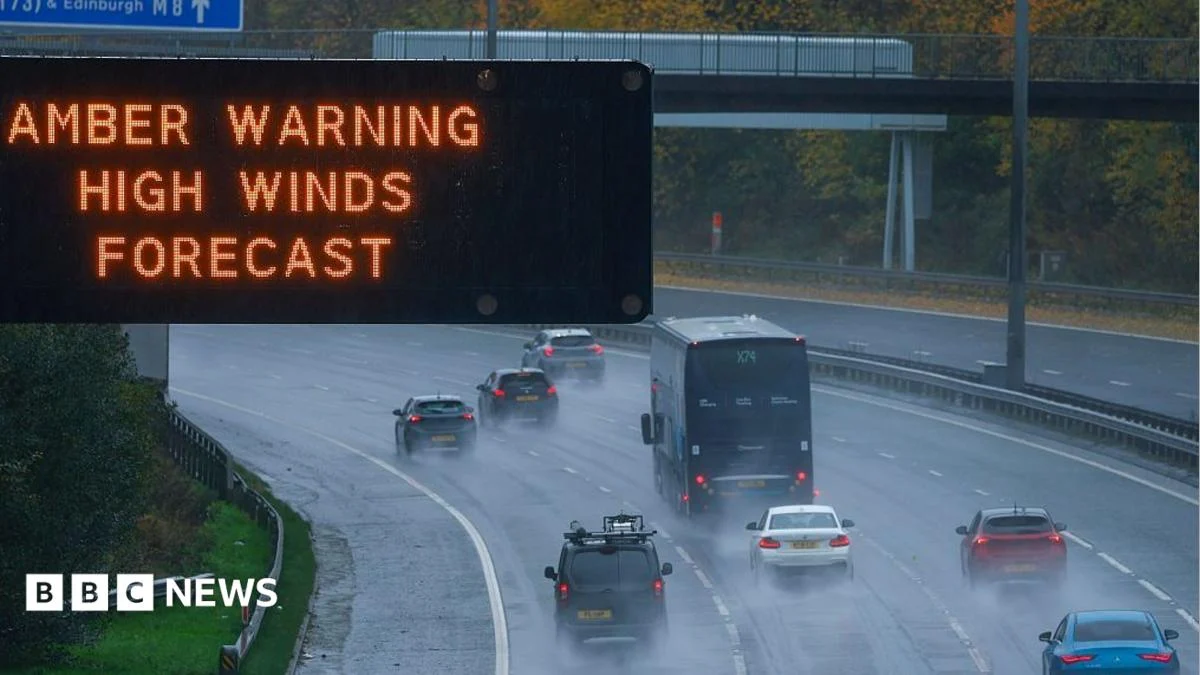
The profound implications of the impending storm have already led to a cascade of cancellations and postponements, disappointing thousands who had planned to attend various events. Paisley’s popular Halloween festival, a much-anticipated community highlight, has been entirely cancelled for Saturday. The festival, known for its vibrant parade, engaging street theatre, and captivating outdoor light installations, draws significant crowds to the town centre. Renfrewshire Council expressed its deep regret, stating it was "really sorry" that Saturday’s events could not proceed due to the severe weather forecast, though Friday’s opening night had successfully gone ahead as planned. The decision, made in the interest of public safety, acknowledges the substantial logistical challenges and inherent dangers posed by high winds and heavy rain to outdoor spectacles involving large gatherings and intricate temporary structures. The cancellation represents a significant blow to local businesses that rely on the increased footfall during such popular events, impacting revenue for cafes, shops, and hospitality venues.
Further afield, the iconic Enchanted Forest event at Pitlochry, renowned for its spectacular light and sound show set within Faskally Wood, also confirmed the cancellation of its Saturday performance. Organisers are closely monitoring the evolving weather situation, indicating that Sunday’s event may also be subject to cancellation, leaving attendees in limbo and highlighting the unpredictable nature of Storm Boelo. This outdoor spectacle, a major draw for tourism in Highland Perthshire, requires calm conditions for safe operation and installation integrity, making it particularly vulnerable to severe weather. Similarly, a Halloween family fun day scheduled for Sunday at Dean Park Castle and Country Park in Kilmarnock has been postponed, with organisers promising to reschedule the event when safer conditions prevail. Such family-oriented events, often planned months in advance, are critical for local engagement and tourism, and their disruption underscores the widespread impact of the storm.
Sporting fixtures have also fallen victim to the adverse conditions. Friday’s Scottish Cup tie between Penicuik Athletic and Clyde was among the first sporting events to be delayed, with the heavy rain making the pitch unplayable and posing safety risks for players and spectators. The decision to postpone football matches is often driven by waterlogged pitches, which can lead to player injuries and compromise the integrity of the game. Other amateur and professional sports fixtures across Scotland are anticipated to face similar disruptions over the weekend, as high winds and rain make outdoor competition hazardous and often impossible.
Public parks and heritage sites, often popular destinations for weekend strolls, are also closing their gates in preparation for the storm. Edinburgh City Council announced that Princes Street Gardens, Lauriston Castle grounds, and Saughton Winter Gardens would be closed on Saturday evening and throughout Sunday. These closures are preventative measures, designed to protect the public from hazards such as falling branches, unstable trees, and slippery pathways that become prevalent during extreme weather. The decision ensures visitor safety and allows maintenance teams to assess and clear debris once the storm has passed.
Historic Environment Scotland (HES) has taken extensive measures, advising that many of its properties across the country would be closed. This includes some of Scotland’s most iconic landmarks, such as Edinburgh Castle, Stirling Castle, Aberdour Castle, and Caerlaverock Castle, alongside other significant sites like Skara Brae in Orkney and Inchmahome Priory in Port of Monteith. The closures are crucial for safeguarding visitors and the ancient structures themselves, as high winds can dislodge masonry, create dangerous conditions on exposed battlements, and pose risks to staff and public alike. HES encourages potential visitors to check their website for real-time updates on closures, emphasizing the priority of safety during such volatile weather.
The National Trust for Scotland (NTS), another custodian of numerous historical sites and natural landscapes, also confirmed that some of the locations it manages would be closed due to the "adverse weather." NTS properties, ranging from grand country estates to remote coastal paths, are particularly susceptible to the effects of strong winds and heavy rainfall, which can lead to tree falls, coastal erosion, and dangerous walking conditions. The Trust advised visitors to consult its social media channels for specific property updates before embarking on any journeys, reinforcing the message for the public to exercise caution and avoid unnecessary travel to affected areas.
Local authorities are also issuing specific warnings tailored to their communities. Western Isles Council, for example, highlighted the threat of strong winds throughout Sunday and advised that events, including church services, should plan accordingly. Island communities, often more exposed to the elements, are particularly vulnerable to the disruptive force of storms, with high winds capable of causing structural damage, power outages, and severe travel disruptions, isolating communities. The council’s advice underscores the importance of community preparedness and adaptability in the face of challenging weather.
Crucially, the title’s primary focus on travel disruption is well-founded. The impact on Scotland’s transport infrastructure is expected to be severe. Train services are facing significant cancellations and delays across the network. Operators like ScotRail, LNER, and Avanti West Coast have advised passengers to check before travelling or to avoid non-essential journeys altogether. The primary reasons for train cancellations include the high risk of fallen trees and debris on railway lines, which can damage trains and tracks, as well as speed restrictions imposed for safety in high winds, which drastically reduce capacity and increase journey times. Overhead line damage from strong gusts and track flooding from heavy rainfall are also major concerns that can bring services to a complete halt, requiring extensive repair work.
Road users are also facing serious warnings. Police Scotland and Traffic Scotland have issued advisories against non-essential travel in affected areas, particularly during the peak of the storm. Drivers are warned of the increased risk of standing water and localised flooding, which can hide potholes and make roads treacherous. Fallen trees, branches, and other debris blown onto carriageways pose significant hazards. High-sided vehicles are especially vulnerable to being overturned by powerful crosswinds on exposed routes, leading to warnings for such vehicles to avoid motorways and bridges. Reduced visibility due to heavy rain and spray will further complicate driving conditions. Motorists are urged to slow down, increase stopping distances, use headlights, and be prepared for sudden hazards.
Ferry services, vital links for Scotland’s island communities, are also expected to experience significant disruption. CalMac, the primary ferry operator, has warned of widespread cancellations and delays across its network, particularly for routes to the Western Isles, the Inner Hebrides, and other exposed coastal crossings, where high seas and powerful winds make sailing unsafe. Passengers are strongly advised to check the latest service updates before travelling. Air travel could also see delays or cancellations at Scotland’s airports due to strong crosswinds affecting landings and take-offs, as well as potential operational challenges.
Beyond direct travel and event disruptions, Storm Boelo carries the risk of broader societal impacts. The Met Office’s warnings highlight the potential for power outages across large swathes of the country as strong winds damage overhead power lines and electrical infrastructure. This could leave thousands of homes and businesses without electricity, affecting heating, lighting, and communication. Emergency services, including fire and rescue, police, and ambulance crews, are on high alert, preparing to respond to incidents such as fallen trees, structural damage, and road traffic collisions. Local authorities are also activating their emergency plans, preparing for potential flooding, clearing drains, and ensuring resources are in place to assist affected communities. The public is advised to secure loose items in gardens, charge mobile phones, check on vulnerable neighbours, and avoid coastal areas where dangerous waves and sea spray could pose a significant threat. The name "Storm Boelo," part of the international storm naming convention, underscores the coordinated effort to communicate severe weather threats clearly and consistently across Europe, ensuring public awareness and preparedness for what promises to be a challenging weekend for Scotland.


 George Anjay

 Nakalama John

 atisusanti

 Ramos Leo

 Roy Suryo
