
 Nana Banana
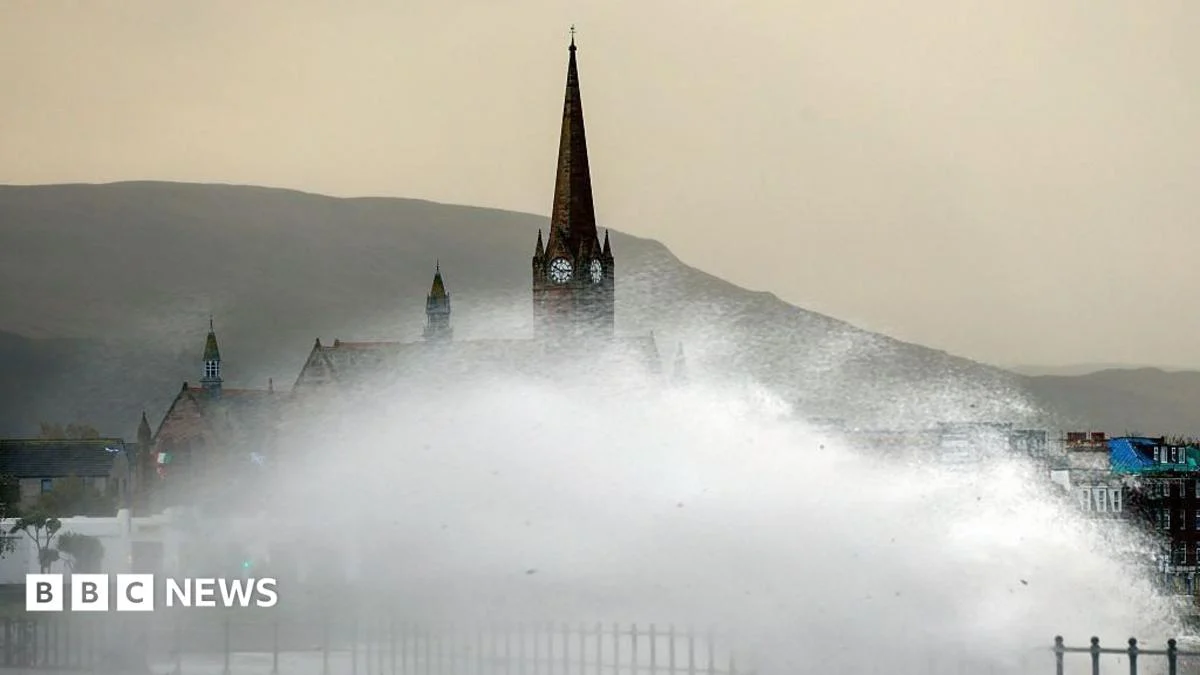
The United Kingdom has been gripped by the ferocious force of Storm Boelo, which tragically claimed the life of a 60-year-old man in southern Scotland and plunged hundreds of thousands of homes into darkness. The severe weather system, following closely on the heels of Storm Austen, unleashed powerful winds and torrential rain across vast swathes of the country throughout Sunday, leaving a trail of disruption and damage in its wake.
The fatal incident occurred near Castle Douglas in Dumfries and Galloway at approximately 10:30 on Sunday morning. Police Scotland confirmed that the man was pronounced dead at the scene after being struck by a falling tree, a stark and devastating reminder of the immediate dangers posed by the extreme conditions. Emergency services, including police and paramedics, responded swiftly to the rural location, but sadly, nothing could be done to save the man. The community has been left reeling by the tragedy, which underscores the Met Office’s urgent warnings for the public to exercise extreme caution and avoid unnecessary outdoor activities during the storm.
Beyond the tragic loss of life, Storm Boelo has caused widespread power outages, severely impacting daily life for countless residents. As of 15:00 GMT on Sunday afternoon, a staggering 161,400 properties remained without electricity, according to the Energy Networks Association (ENA), which represents the UK’s electricity and gas network operators. This figure, though significant, represents only a fraction of the total disruption caused by the two consecutive storms. The ENA reported that a combined 838,700 properties across the country had experienced power cuts since Storm Austen first hit on Friday, demonstrating the immense strain on the national grid and the relentless nature of the adverse weather.
Restoration efforts have been severely hampered by the perilous conditions. The ENA acknowledged that the dangerous winds, heavy rain, and falling debris were "limiting network engineers’ opportunities to safely start the work" necessary to reconnect homes and businesses. For those affected, the prolonged outages have meant enduring cold homes without heating, a lack of hot water, inability to cook, and the challenge of keeping communication devices charged. Many households have also faced the loss of refrigerated food, adding to the financial burden and inconvenience. Local energy network operators have mobilised all available resources, but the scale and severity of the storm have presented unprecedented challenges, requiring engineers to prioritise safety before commencing repairs in high-risk areas.
The intensity of Storm Boelo’s winds was particularly acute in certain regions. Gusts peaked on Sunday morning, reaching a formidable 85mph in Machrihanish, located in Argyll and Bute on Scotland’s west coast. Similarly powerful winds, clocked at 84mph, battered Stornoway in the Outer Hebrides and Capel Curig in north Wales, illustrating the broad geographical reach of the storm’s fury. These extreme wind speeds are capable of causing significant structural damage, felling large trees, and creating hazardous flying debris, explaining the numerous incidents reported across the affected areas.
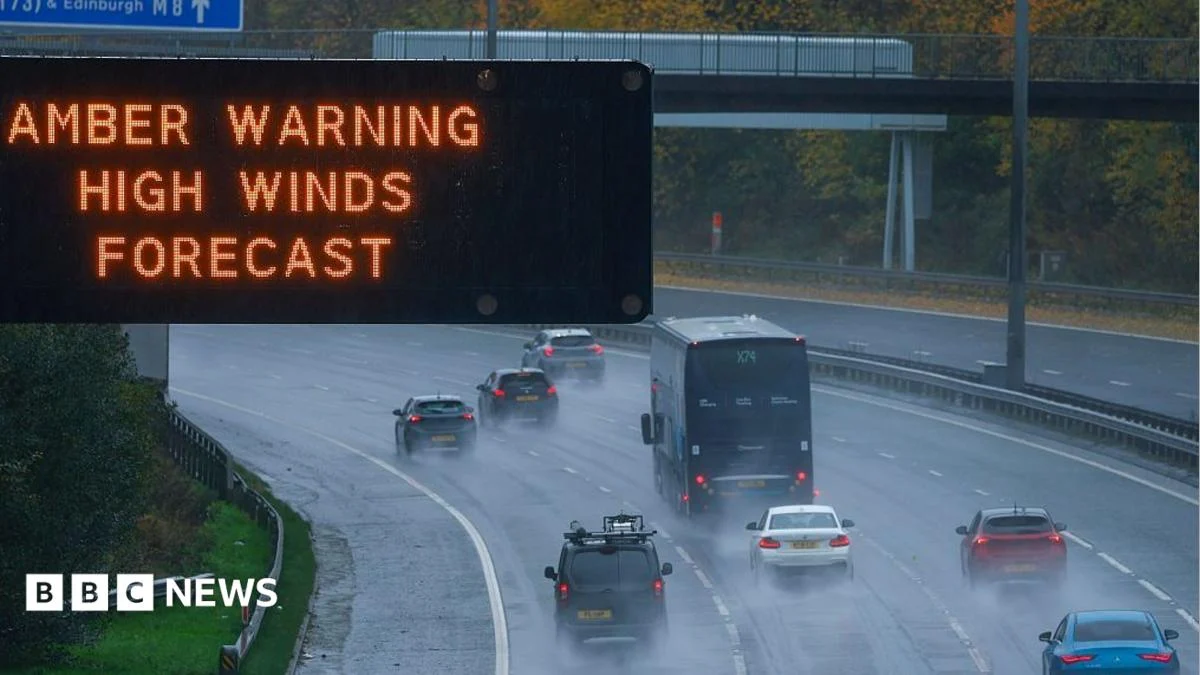
In response to the escalating threat, the Met Office had issued an amber wind warning for Scotland and parts of northern England, which remained in effect until 21:00 on Sunday. An amber warning signifies a significant likelihood of impacts such as power cuts, damage to buildings, and widespread travel disruption, with potential for danger to life. A broader yellow warning, indicating less severe but still significant risks, covered other areas of northern England, including major cities like Liverpool, Manchester, Leeds, Sheffield, and Newcastle-upon-Tyne, as well as parts of the East and West Midlands and North Wales, also until 21:00 on Sunday. The Met Office’s advice to the public was unequivocal: "stay indoors as much as possible," and for those who must venture out, "try not to walk, or shelter, close to buildings and trees," directly addressing the risk exemplified by the tragic fatality in Dumfries and Galloway.
The storm’s impact was not limited to wind alone. Torrential rainfall also played a significant role in the widespread disruption. Four flood warnings were issued for parts of England and Wales on Sunday, indicating that flooding was expected and immediate action was required. In Scotland, the situation was even more severe, with 17 flood warnings in place, signalling significant threats to properties and infrastructure. The Scottish Highlands bore the brunt of the heaviest rainfall, with a staggering 130mm recorded at Cluanie Inn, a volume capable of causing flash flooding, overwhelming drainage systems, and leading to dangerous river levels and potential landslides in mountainous terrain.
The severity of the situation prompted a high-level response from the Scottish government. Ministers and officials convened on Sunday afternoon to discuss the immediate and ongoing impact of Storm Boelo, coordinating emergency responses and assessing the damage. In a statement, the Scottish government acknowledged that while conditions might show some signs of easing later on Sunday, there remained a significant potential for further adverse weather to return in the coming days, urging continued vigilance and preparedness from the public and emergency services.
Specific incidents of damage and injury continued to emerge throughout the day. In Aberfeldy, Perth and Kinross, police confirmed that two women were taken to hospital after being struck by a fallen tree at around 12:50 GMT on Sunday. Details of their injuries were not immediately available, but the incident further highlighted the pervasive danger posed by the storm’s destructive power.
The towns along the Clyde coast in Scotland were particularly hard-hit. The main Skelmorlie to Largs road, a vital arterial route, sustained severe damage, leading to its closure and creating significant travel challenges for local residents and businesses. In Largs itself, a number of businesses were inundated by floodwaters overnight on Saturday, causing extensive damage to premises and stock. Further south in Gourock, a dramatic scene unfolded as a boat was swept from its moorings and ended up precariously on the side of the road, a visual testament to the sheer force of the storm surge and high winds. Meanwhile, residents in Girvan reported enduring power outages throughout the entirety of Sunday, adding to the widespread misery.
The personal toll of the storm was vividly illustrated in Dumbarton, on the north bank of the River Clyde, where Muhammad Zubair Ashraf’s mobile phone shop was severely flooded overnight. Mr. Ashraf, surveying the damage to his livelihood, estimated losses between £5,000 and £10,000. He expressed his profound distress, stating he was "heartbroken" at the scale of the destruction to his business, a sentiment echoed by countless others facing similar devastating impacts across the country.
Travel infrastructure across the UK faced severe disruption. Police in Scotland issued strong warnings against all unnecessary road journeys, citing hazardous conditions including fallen trees, debris, and standing water. Ferry services, crucial for connecting mainland Scotland with its islands, were extensively impacted, with numerous cancellations leaving passengers stranded and disrupting supply chains to remote communities. Air travel was also affected, with several flights to and from key regional airports including Belfast, Glasgow, Aberdeen, and Dublin experiencing cancellations, causing significant inconvenience and delays for travellers. The national rail network also suffered widespread disruption, with train services across the UK facing cancellations, delays, and speed restrictions due to fallen trees on railway lines and other storm-related hazards, impacting tens of thousands of passengers attempting to travel on Sunday.
As Sunday drew to a close, the immediate intensity of Storm Boelo began to wane in some areas, but the long-term impact and recovery efforts are expected to continue for days. Emergency services, local authorities, and utility companies remain on high alert, working tirelessly to restore power, clear debris, and support affected communities, while the Met Office continues to monitor the weather patterns for any potential return of severe conditions in the coming week. The events of Sunday served as a powerful reminder of nature’s formidable power and the critical importance of preparedness and vigilance in the face of extreme weather.

 George Anjay
 Nakalama John

 atisusanti

 Ramos Leo
 Roy Suryo
