Nakalama John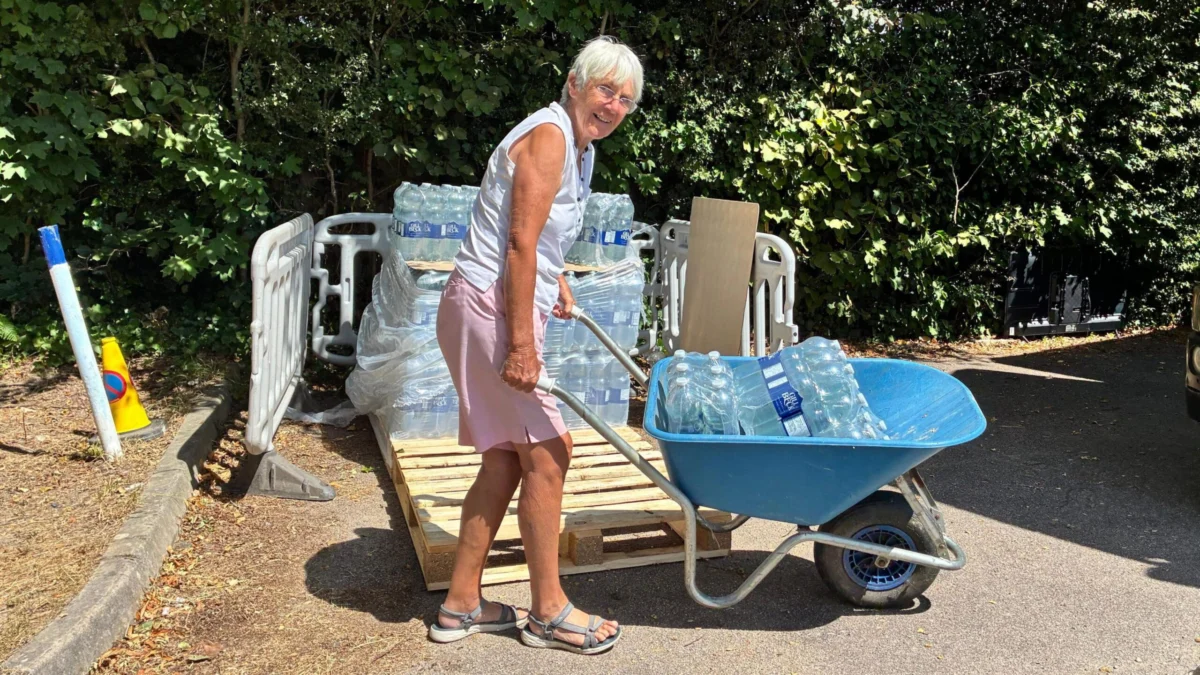
The root cause of this latest incident, according to South East Water, was a "temporary instrument failure" at its vital Tunbridge Wells water treatment works. While the company offered an apology to its affected customers, the sentiment on the ground was one of exasperation rather than acceptance, particularly given SEW’s history of multiple significant supply failures in recent months. This incident marks the third major disruption to water services in the Tunbridge Wells area within a short period, severely testing the patience and trust of the local community.
For many, the current outage is not just an inconvenience but a profound disruption to daily life. Lance Miles, a Tunbridge Wells resident who is registered disabled, articulated the widespread frustration with searing clarity. Speaking to the BBC, he branded SEW as "incompetently useless," highlighting the profound impact on vulnerable individuals. "Yet again we are without water," Miles lamented, underscoring the repetitive nature of the problem. His frustration extended to the very relationship between the utility company and its consumers: "We’re not customers, because customers have a choice. We don’t have a choice. If there was another company, at the drop of a hat I would go with that company." This sentiment captures the unique predicament of essential service users who are bound to a single provider, regardless of performance.
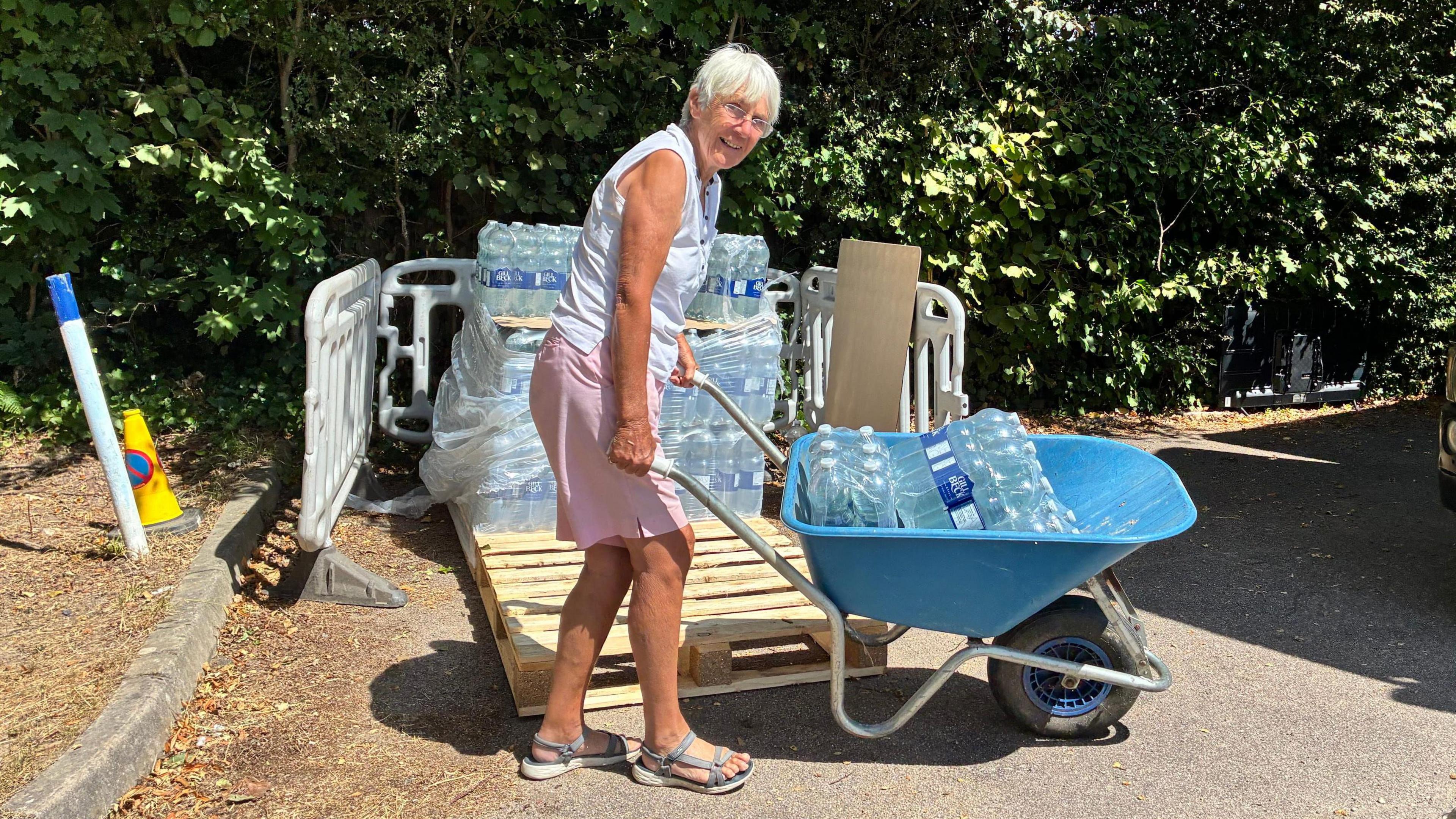
The lack of running water immediately creates a cascade of problems. Basic hygiene becomes a struggle, with residents unable to shower, flush toilets, or wash hands effectively. Food preparation is complicated, dishwashing impossible, and even a simple cup of tea becomes a logistical challenge. For businesses, the impact is immediate and often financially damaging. Cafes, restaurants, hairdressers, and other service-oriented establishments relying heavily on a consistent water supply face closures or severely limited operations, leading to lost revenue and potential waste. The elderly and those with health conditions are particularly vulnerable, as collecting heavy bottles of water from distribution points can be physically demanding or even impossible.
South East Water’s initial communication on Saturday had warned that supplies might not return until "Sunday evening at the earliest." However, a pervasive sense of distrust among residents stems from previous outages that have often stretched beyond initial predictions, leaving communities in limbo for extended periods. Steven Benton, SEW’s incident manager, provided an update on Sunday, stating that the water treatment works were "now stable." Despite this stabilization, the broader network was still struggling. "Low storage levels from this disruption and high demand mean we cannot pump water to some areas, particularly on higher ground," Benton explained, adding that the company needed to "allow tanks to replenish" to ensure a stable, continuous flow. This technical explanation, while informative, does little to alleviate the immediate suffering of those without water.
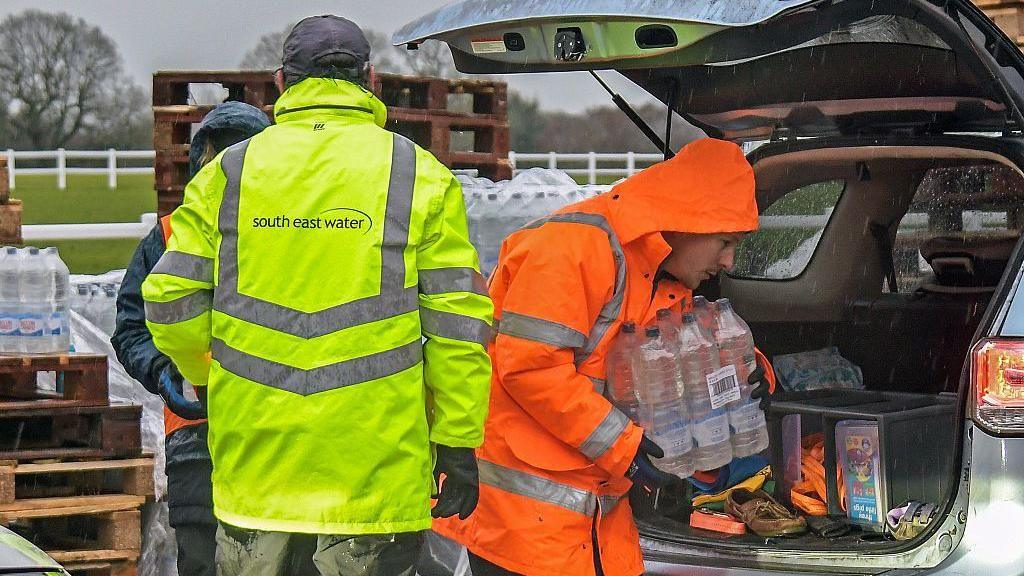
In response to the crisis, SEW reactivated its emergency bottled water stations. On Sunday, two stations reopened earlier in the day at the Tesco Superstore on Pembury Road and the Tunbridge Wells Rugby Club. A third station was subsequently opened at the Odeon cinema car park in Knights Way. All were scheduled to remain open until 20:00 BST. However, even these critical relief points experienced issues, with the rugby club station briefly closing on Sunday morning while awaiting fresh supplies of bottled water – a logistical hiccup that further inflamed public frustration. For those on the priority services register – a free support scheme for individuals requiring extra help – SEW stated it was continuing to deliver bottled water directly to their homes, acknowledging the heightened vulnerability of this group.
The current debacle is far from an isolated incident, fitting into a troubling pattern of service failures that have plagued South East Water and its customers. The company has faced intense scrutiny and widespread public anger following a series of significant disruptions. In November, a staggering 24,000 customers in the Tunbridge Wells area alone experienced a loss of water supply or pressure. This was followed by a critical period where, even after supply was restored, customers were advised to boil their water for a nine-day period due to concerns over contamination – a directive that introduced significant health risks and immense inconvenience into daily routines. Just weeks later, in December, approximately 30,000 households across Kent and Sussex were hit by days of supply issues, which company bosses attributed to a combination of freezing temperatures and the impact of Storm Goretti. These repeated failures have led residents like Paul Sparrow, another Tunbridge Wells resident, to lament, "It’s hard to know what to say. We’ve had years of underinvestment."
The systemic nature of these issues has not gone unnoticed by regulators. Earlier this week, industry watchdog Ofwat took decisive action, ordering South East Water to invest a substantial £30.5 million into improvements. This mandate came after thorough investigations revealed serious shortcomings in the company’s infrastructure resilience and operational management, directly linking to the previous widespread outages. The financial implications of these repeated failures are also taking a toll on SEW itself. In its annual report published this week, the company issued a stark warning that it needed to secure fresh financing to remain solvent, revealing a staggering £55 million hit from outages experienced over the winter months alone. SEW confirmed it was actively engaged in discussions with lenders to agree on a new loan facility, underscoring the precarious financial position it finds itself in. This financial strain directly impacts the company’s ability to invest adequately in maintaining and upgrading its aging infrastructure, creating a vicious cycle where underinvestment leads to failures, which in turn drain financial resources.
The leadership of South East Water has also seen significant upheaval in the wake of these persistent problems. The company announced that its chair had departed, and its chief executive would also be leaving, signaling accountability at the highest levels following the earlier failures. While these changes may offer some hope for a renewed strategic direction, the immediate challenge remains restoring confidence and, more importantly, consistent water supply to its beleaguered customers.
Beyond the immediate crisis, the situation in Tunbridge Wells highlights broader concerns about the state of water infrastructure across the UK, the impact of climate change, and the effectiveness of utility regulation. Increasingly extreme weather events, such as prolonged freezes and sudden thaws, are testing the limits of existing systems that may not have been designed for such conditions. The privatization of essential services like water supply, while intended to foster efficiency, also raises questions about profit motives potentially outweighing necessary infrastructure investment. The public, represented by the angry voices in Tunbridge Wells, demands not just apologies but tangible, long-term solutions, robust infrastructure, and unwavering accountability from the companies entrusted with delivering fundamental necessities. As the community endures another day without a reliable water supply, the calls for systemic change and improved resilience grow louder, making it clear that current efforts are simply not enough to prevent ongoing misery.


 George Anjay
 atisusanti
 Ramos Leo