
 Nakalama John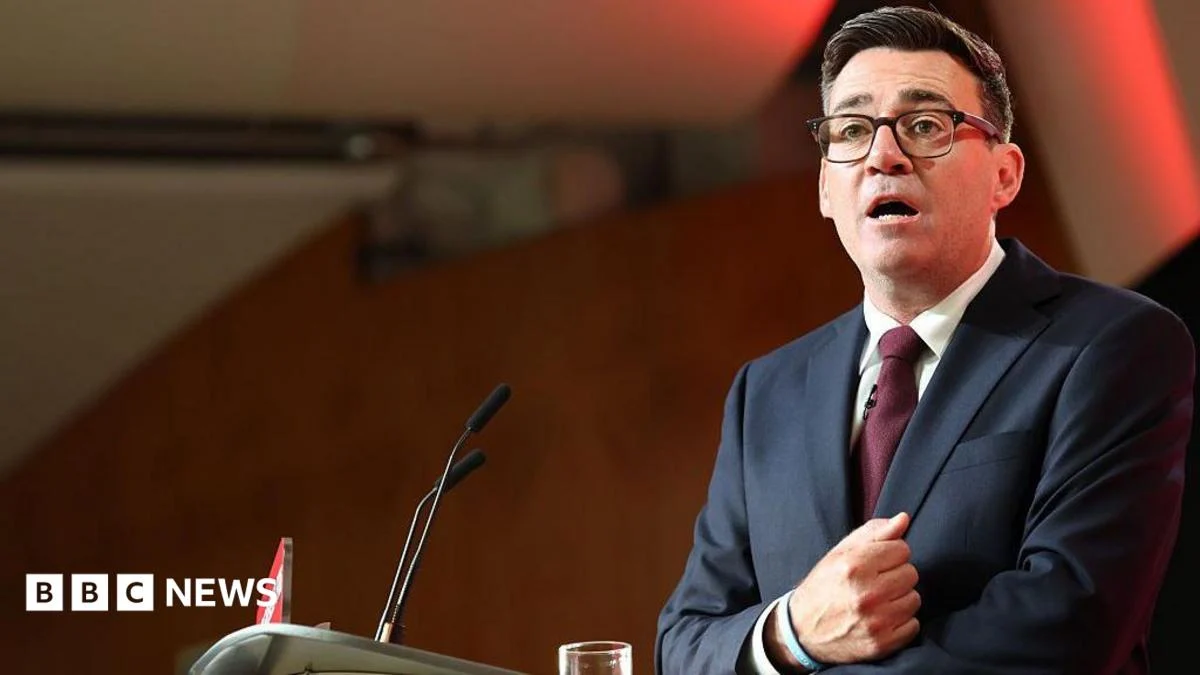
With house prices rising more slowly than earnings, purchasing a home for the first time is more possible compared to just a couple of years ago, offering a glimmer of hope for aspiring homeowners. At the start of the year, the Nationwide Building Society highlighted this shift, reporting that mortgage payments accounted for a third of take-home pay – a significant improvement and well below the record of 48% seen during the property boom of 1989. This data suggests a degree of returning affordability, at least on paper, for those able to secure a deposit and mortgage.
However, today’s prospective buyers tend to be juggling high rental costs too, often consuming a substantial portion of their monthly income, making it exceedingly harder to save for a necessary deposit. The relentless pressure of rental inflation in many urban and suburban areas means that even with slower house price growth, the barrier to entry remains formidable. This ongoing challenge is partly why the average age of the first-time buyer has steadily risen over recent years, pushing homeownership further out of reach for many younger generations. The structural issues underpinning the housing market, from land scarcity to planning complexities, mean that a simple slowdown in price growth is insufficient to resolve the crisis.
The most sustainable and widely agreed-upon solution to this enduring housing shortage is to build significantly more homes across the country. Yet, successive governments have struggled to meet their ambitious targets. The latest figures show the government is behind on its objective, with the number of new homes completed down by 6% last year and falling short of the 300,000 needed annually to adequately address demand and stabilize prices. This persistent shortfall exacerbates the problem, keeping rental costs high and deposits out of reach for many.
Andy Burnham, a prominent figure in the Labour Party, has consistently advocated for a substantial increase in the construction of social housing. Such a move, he argues, would provide genuinely affordable homes, alleviate pressure on the private rental sector, and free up capital for individuals to save for a deposit. By expanding the stock of social housing, Burnham aims to tackle the root causes of housing inequality, offering secure, long-term tenancy options that are linked to income rather than market rates. This would not only provide direct relief to low-income families but also indirectly impact the wider market by reducing demand for private rentals, potentially cooling that sector as well. However, as successive governments have found, building at scale, especially social housing, is not easy. It requires significant public investment, land acquisition strategies, overcoming planning hurdles, and securing a consistent supply chain, all while navigating local opposition and fluctuating economic conditions.
Housing is just one of the many big plans Burnham has hinted at to cure our economic malaise. His broader vision, often articulated through a lens of regional empowerment and social justice, seeks to address deep-seated inequalities that he believes are holding back the national economy. But he has to grapple with a challenging inheritance: a post-pandemic economy saddled with high national debt, persistent inflation, sluggish productivity growth, and entrenched regional disparities. The economic landscape is complex, marked by global uncertainties, supply chain fragilities, and the ongoing structural adjustments required by Brexit and the transition to a green economy.
Ironically, the easiest way to fund his ambitious plans, from housing to public services and infrastructure, would be to draw on the spoils of faster, more robust economic growth. A rapidly expanding economy generates higher tax revenues naturally, without necessarily requiring new or increased taxes. This ‘growth dividend’ provides the fiscal headroom necessary for significant public investment without risking further increases in national debt or triggering inflationary pressures. However, achieving this accelerated growth in the current climate is a considerable challenge, demanding strategic interventions and a clear long-term economic strategy.
Like many before him, Andy Burnham’s vision appears to be that you have to spend more money to make money – a Keynesian approach advocating for public investment to stimulate demand and productivity. But this raises the critical question: whose money?
When considering jobs, Burnham’s approach implies a focus on investment in key sectors and skills development to foster a more resilient and equitable labour market. His plans likely envision significant public investment in infrastructure projects, from transport networks to digital connectivity, which would directly create construction and engineering jobs. Beyond this, a focus on green industries – renewable energy, electric vehicle manufacturing, sustainable technologies – would align with environmental goals while generating future-proof employment opportunities. He would likely champion regional industrial strategies, using devolved powers to identify and nurture sectors with high growth potential in specific areas, ensuring that the benefits of economic development are spread beyond London and the South East. This could mean targeted funding for advanced manufacturing in the North, digital hubs in the Midlands, or life sciences clusters, creating skilled, well-paid jobs and reducing reliance on precarious, low-wage work. Furthermore, a strong public sector, particularly in health, social care, and education, would see increased recruitment and better pay, contributing to overall employment stability and local economies. The goal would be to move away from a low-wage, low-skill economy towards one that prioritises high-value jobs, worker rights, and continuous professional development, ensuring that the workforce is equipped for the challenges and opportunities of the 21st century.
On benefits, Burnham’s emphasis on social justice suggests a desire to strengthen the social safety net. This could translate into policies aimed at making Universal Credit more supportive, potentially by increasing the basic allowance, reducing the taper rate (how much benefit is withdrawn as earnings increase), or reviewing the punitive sanction system. His vision often speaks to ensuring a basic standard of living for all, which might involve revisiting aspects of child benefit, sick pay, or disability support to ensure they adequately cover living costs. The underlying philosophy would be that a robust benefits system not only protects the most vulnerable but also provides economic stability, allowing individuals to navigate periods of unemployment, illness, or care responsibilities without falling into destitution. This, in turn, can contribute to better public health outcomes, reduced crime rates, and a more productive workforce over the long term, as people are better able to participate in society and the economy when their basic needs are met. Such reforms would inevitably come with a substantial price tag, requiring careful consideration of funding mechanisms and their broader economic impact.
This brings us to taxes – the inevitable mechanism for funding ambitious public spending plans. If faster growth doesn’t materialize quickly enough to fund his vision, Burnham would likely explore various avenues for increasing revenue. One potential area is wealth taxation. This could involve reforms to Capital Gains Tax, aligning rates more closely with income tax, or exploring new forms of wealth levies, perhaps targeting high-value properties or inherited assets. The rationale would be to address growing wealth inequality and ensure that those with the broadest shoulders contribute more to society. Corporation tax could also be reviewed, potentially reversing some of the cuts made in recent years, arguing that profitable businesses should contribute a fair share to the public services that support their operations. For individuals, higher income tax rates for top earners might be considered, or adjustments to National Insurance contributions. Additionally, Burnham might look at land value taxation as a means to capture the unearned increment from rising land values, using it to fund public services and discourage speculative land banking, which contributes to the housing crisis. Such tax reforms would aim not just to raise revenue but also to reshape the economy, encouraging productive investment over passive wealth accumulation and fostering a more equitable distribution of resources. However, any significant changes to the tax system would face intense scrutiny from businesses and individuals, with potential implications for investment, entrepreneurship, and economic competitiveness.
Funding Burnham’s ambitious agenda, therefore, hinges on a delicate balance. While he hopes for the "spoils of faster growth," the immediate need for investment means exploring other avenues. Increased government borrowing is one option, but this must be managed carefully to avoid escalating national debt to unsustainable levels, particularly in a high-interest rate environment. Another approach could involve leveraging private investment through public-private partnerships, especially for large infrastructure projects, though this often comes with its own set of complexities and costs. Local authority bonds, empowering regions to raise their own capital for local projects, could also play a role, aligning with Burnham’s devolution agenda. The central challenge lies in ensuring that any increased spending genuinely leads to enhanced productivity and sustainable growth, thereby generating the tax revenues needed to service the debt and fund ongoing services. If growth doesn’t materialize as expected, the "spend more to make more" strategy could lead to increased national debt, higher taxes, or a squeeze on other public services, impacting individual finances through different channels.
Ultimately, Burnham’s vision means a potential shift in the financial landscape for every citizen. On the positive side, more affordable housing through social builds and potentially cooling private rental markets could free up significant disposable income for many, making it easier to save or spend. A focus on high-skilled, well-paid jobs in growth sectors, coupled with strengthened worker rights, could lead to greater job security and improved wages for a substantial portion of the workforce. Enhanced benefits and public services would provide a stronger safety net, reducing financial anxiety during times of hardship. Conversely, to fund these ambitions, individuals and businesses, particularly those with higher incomes or significant wealth, might face increased tax burdens. The success of his economic strategy would depend on whether the proposed investments genuinely stimulate productivity and growth, generating the necessary returns to make the overall financial equation balance. Without this growth, the promise of improved public services and reduced inequality could be jeopardized by unsustainable debt or an overly burdensome tax regime, affecting everyone’s finances in ways that require careful consideration.




 Roy Suryo

 atisusanti
 Ramos Leo
