
 Nana Banana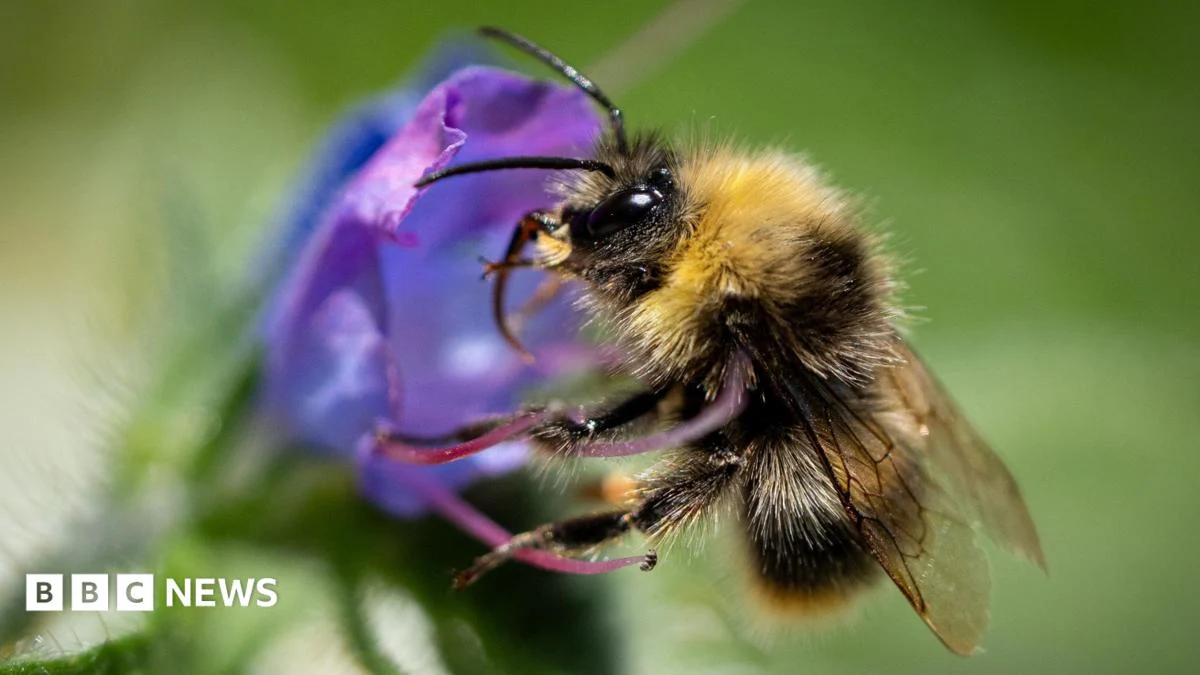
The delicate balance of nature in the United Kingdom is increasingly threatened by the intensifying grip of climate change, with one of its most cherished pollinators, the bumblebee, facing a dire, two-fold impact from escalating heatwaves. These iconic insects, instantly recognizable by their stout, furry bodies and characteristic buzz, are intrinsically adapted to the UK’s historically cooler, temperate climate. Their evolutionary design – thick insulating coats and substantial body mass – serves as an efficient mechanism for retaining warmth, a crucial advantage when foraging in cooler temperatures. Furthermore, their powerful flight muscles generate metabolic heat, essential for maintaining the optimal internal body temperature required for sustained flight and activity. However, these very adaptations, once keys to their survival and success, are now becoming critical vulnerabilities in a rapidly warming world.
When air temperatures soar during a heatwave, the bumblebees’ powerful flight muscles, indispensable for their foraging missions, become a detrimental internal heat source, generating excessive warmth within their bodies. Simultaneously, their thick, insulating fur and rounded physique, so effective at trapping heat in cooler conditions, prove highly inefficient at dissipating it when external temperatures rise. This creates a dangerous internal thermal overload. Dr. Richard Comont, the science manager at the Bumblebee Conservation Trust, highlights the critical threshold: once ambient air temperatures reach between approximately 28C and 32C, UK bumblebees begin to experience significant difficulties maintaining flight without overheating. The consequence is immediate and devastating: if they cannot fly, they cannot forage for the nectar and pollen essential for their survival and the sustenance of their colonies.
"They actually cook themselves from the inside out," warns Comont, painting a vivid and alarming picture of the insects’ plight. He explains that once a bumblebee’s internal body temperature significantly exceeds 40C, their physiological systems begin to fail catastrophically. Essential enzymes, vital for metabolic processes, start to denature, and cellular structures can break down, leading to rapid organ damage. "Once their internal body temperature is much above 40C, they literally start dying, they start keeling over," he states, underscoring the lethal nature of thermal stress on these invertebrates. This metabolic collapse is not a slow decline but a swift, irreversible process that can decimate populations in a short period.
The grim reality of these heat-induced threats was starkly evident in the BeeWalk data collected during 2022. That year, the UK endured three official summer heatwaves, culminating in unprecedented temperatures that reached a staggering 40.3C in some regions. The impact on bumblebee populations was immediate and profound, with numbers dropping significantly across many species. Three of the country’s most common and widespread bumblebee species – the red-tailed, buff-tailed, and common carder bumblebees – experienced peak population numbers well below their normal historical averages. The red-tailed bumblebee saw a 20% decline, the buff-tailed a 25% drop, and the common carder a severe 35% reduction. These declines were not transient; they continued to worsen into the autumn months as struggling colonies failed to recover or adequately prepare for the subsequent year.
The repercussions of the 2022 heatwaves extended far beyond that summer, manifesting as a delayed but equally concerning impact on the following year’s populations. BeeWalk data for March, April, and May 2023 revealed that overall queen numbers were below average. This is a critical indicator, as the success of new colonies in any given year is directly dependent on the number of new queens produced in the preceding summer. A reduced number of overwintering queens implies a diminished capacity for population recovery, creating a concerning ripple effect that could lead to longer-term declines if extreme weather events continue to be a regular feature of the UK climate.
It is crucial for scientists to stress that warm, sunny weather, in itself, is not inherently detrimental to bumblebees. Indeed, historically, many warm years have proven beneficial for certain species, particularly those with more southerly distributions within the UK, allowing for extended foraging periods and potentially more successful breeding cycles. The true danger lies not in warmth, but in the extreme heat and prolonged drought conditions that now characterize increasingly frequent heatwaves. These conditions push bumblebees beyond their physiological limits and simultaneously create a second, equally devastating problem: dwindling food supplies.
Bumblebee colonies are highly dependent on a consistent and abundant supply of nectar and pollen, diligently brought back by worker bees throughout the summer months. However, as extreme heat and drought stress the environment, flowering plants, the primary source of these vital resources, begin to dry up. This stress response in plants leads to a significant reduction in the quantity and quality of nectar and pollen produced. Dr. Paul Williams, a renowned bumblebee expert at the Natural History Museum, likens foraging to an intricate energy calculation for bumblebees. For a foraging trip to be worthwhile, the energy return from the collected nectar and pollen must significantly outweigh the energy expended in flight and search. As he succinctly puts it, they need to "make a profit" from their efforts.
In conditions of drought and plant stress, the energy expenditure of searching for food increases, while the potential return diminishes drastically. Bumblebees simply cannot afford to waste precious energy flying long distances or repeatedly visiting dried-up flowers that offer little to no nectar or pollen. This energetic imbalance has severe consequences for the colony’s overall health and future viability. If worker bees cannot find enough food to bring back, larval development slows down, hindering the growth and strength of the entire colony. Ultimately, this leads to fewer new queens being successfully reared and emerging for the following year, perpetuating a cycle of decline. This phenological mismatch – where the bees’ need for food doesn’t align with its availability – is a growing concern.
The scientific consensus is clear: rising global temperatures, unequivocally linked to anthropogenic climate change, are putting the UK on a trajectory for more frequent, more intense, and longer-lasting heatwaves. This stark reality demands urgent and concerted action to safeguard vulnerable species like the bumblebee. Conservationists emphasize that the most effective strategy to help these crucial pollinators is to actively create and restore more flower-rich habitats. Such habitats provide a crucial buffer against the impacts of extreme climate events, ensuring that bumblebees can find reliable food sources even when conditions become challenging.
Dr. Sarah Beynon, an insect expert whose West Wales farm is managed with a dual focus on both wildlife conservation and food production, offers a compelling example of what can be achieved. Through deliberate and strategic ecological management, she has transformed her land by planting extensive meadows, willows, native hedgerows, tussocky grasses, and late-flowering crops. This diverse array of flora ensures a continuous supply of food for insects throughout the summer, mitigating the effects of potential droughts and providing sustenance even during periods of scarcity. "When we came, this farm was a wildlife desert," she recounts. "In 10 years, it’s become a nature reserve." Her farm stands as a testament to the power of habitat restoration.
Crucially, Dr. Beynon’s message extends beyond large-scale agricultural practices, emphasizing that individuals do not require vast tracts of land to make a significant difference. Even small, seemingly insignificant actions can cumulatively contribute to a vital network of support for pollinators. A simple pot of native wildflowers on a doorstep, a balcony, or a windowsill can act as a critical "refuelling stop" for insects navigating increasingly human-dominated landscapes. "Your flowerpot is a service station," she eloquently explains. "It’s somewhere to rest, refuel and carry on." Choosing native wildflowers is particularly important as they are best adapted to local conditions and provide the most suitable nectar and pollen for native bee species.
Further enriching these habitats with specific features can provide additional resilience. Dr. Richard Comont highlights the benefits of incorporating ponds, however small, into landscapes. Flowers growing in close proximity to water sources tend to produce nectar with higher moisture content, a critical factor for bumblebees. Unlike honeybees, which can actively collect water to cool their hives or dilute honey, bumblebees obtain the vast majority of their required liquid intake directly from nectar. Therefore, access to "wetter nectar" can significantly enhance the resilience of bumblebee colonies during periods of hot, dry weather by helping them maintain hydration.
In addition to water sources, providing shade is another simple yet highly effective measure. Planting dense shrubs or creating shaded patches offers bumblebees vital refugia where they can escape the relentless heat of the sun. These cooler microclimates allow them to regulate their body temperature more effectively, reducing the risk of overheating. Dense shrubbery also provides shaded corridors, enabling bees to move between flowering plants through cooler air patches, conserving energy and reducing thermal stress during their foraging expeditions.
The plight of the UK’s furry bumblebees serves as a poignant reminder of the far-reaching and complex impacts of climate change on biodiversity. Their struggle underscores the urgent need for a multifaceted approach to conservation, combining large-scale habitat restoration with individual, community-level actions. By understanding their unique vulnerabilities and implementing targeted solutions like creating diverse, flower-rich habitats, providing water sources, and offering shade, we can collectively work to safeguard these essential pollinators, ensuring their continued survival and the health of the ecosystems they support. Their buzzing presence is not just a pleasant sound of summer; it is a vital component of our natural world, one that we cannot afford to lose.


 George Anjay
 Nakalama John
 atisusanti
 Ramos Leo
 Roy Suryo