
 Nana Banana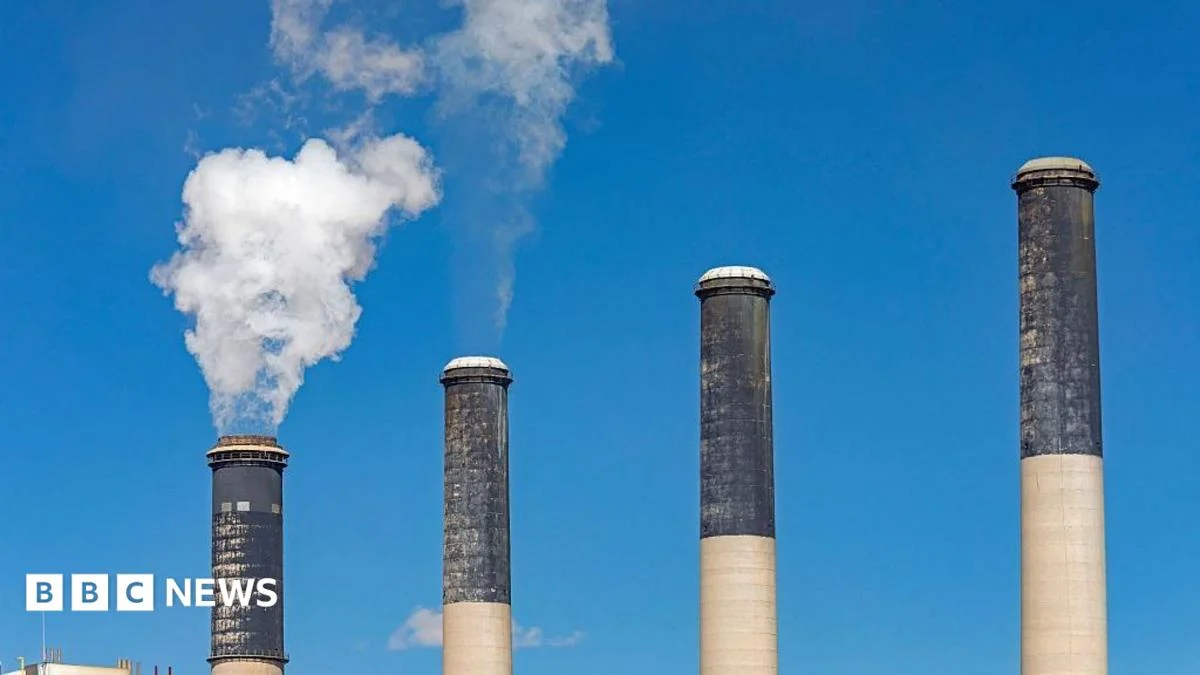
In a significant move poised to reshape the nation’s energy landscape and climate policy, the head of the US Environmental Protection Agency (EPA) has announced the immediate scrapping of key rules designed to limit pollution from coal and gas power plants. This decision marks a sharp pivot from previous environmental protection efforts, particularly those initiated during the Biden administration, and is expected to ignite fervent debate among policymakers, environmental advocates, and industry leaders.
The agency’s justification for dismantling the majority of these Biden-era regulations centers on economic arguments. The EPA claims that by rolling back these rules, which were primarily aimed at improving public health and curbing climate change, the United States stands to save an estimated $310 billion (£223 billion). Furthermore, the agency projects that this deregulation will lead to a tangible decrease in energy prices for consumers and businesses alike. Lee Zeldin, the head of the EPA, articulated the administration’s stance, stating, "The reality is that America produces energy better and cleaner than anywhere else in the world, and our power plants should not be unfairly targeted." This statement underscores a philosophy that prioritizes domestic energy production and economic competitiveness over stringent environmental regulations.
The legal and administrative basis for this rollback is rooted in the EPA’s assertion that the Biden-era regulations had "exceeded the agency’s authority." Specifically, the agency argued that the previous rules mandated "control technologies that are not adequately demonstrated," effectively compelling power plants to retire rather than offering standards they could realistically meet. This interpretation suggests a belief that the EPA’s regulatory reach was overextended, infringing upon the operational autonomy and economic viability of energy producers. In addition to rescinding these specific power plant emission limits, the EPA is also actively seeking to eliminate all other greenhouse gas rules pertaining to the power sector, signaling a comprehensive shift in federal environmental policy.
The proposed changes, first put forth last year by Zeldin, were framed as essential for ensuring "affordable and reliable energy supplies." Zeldin also contended that these reforms would "drive down the costs of transportation, heating, utilities, farming, and manufacturing while boosting our national security." This holistic vision connects energy deregulation with broader economic prosperity and strategic independence, suggesting that reduced regulatory burdens on fossil fuel industries are integral to the nation’s overall strength.
However, the announcement has been met with considerable criticism from various sectors. Opponents argue that the move will have detrimental effects on public health, potentially reversing progress made in reducing air pollution and associated illnesses. They also contend that scrapping these limits will impede the crucial development and adoption of renewable energy sources, thereby setting back efforts to combat global climate change. The United Nations has consistently identified fossil fuels, encompassing coal and natural gas, as the predominant drivers of global climate change, lending weight to these environmental concerns.
The Biden-era regulations, now being systematically dismantled, had called for substantial reductions in carbon emissions not only from power plants but also from vehicles and industrial facilities. These comprehensive measures were projected to prevent approximately 4,500 premature deaths annually, underscoring the significant public health benefits anticipated from stricter emission controls. In a stark contrast to these earlier projections, the EPA, in its recent statement on Monday, dismissed potential public health harms as "too uncertain, conjectural, remote, and convoluted to tie specifically to the US power sector." This dismissal highlights a fundamental divergence in how the administration and its critics assess the environmental and health impacts of energy policy.
Despite the political rhetoric surrounding the necessity of deregulation, data indicates that US power sector emissions have generally been on a downward trend over the past two decades. This decline is largely attributed to a decrease in coal usage, driven by market forces favoring cheaper natural gas and the increasing affordability of renewable energy technologies. However, there was a slight uptick in emissions last year, potentially signaling a plateau or minor reversal in this long-term trend.
The current administration, led by President Donald Trump, has long been a vocal advocate for a resurgence in coal power. President Trump has frequently criticized renewable energy sources such as wind and solar, often citing concerns about reliability and cost, despite the significant advancements and cost reductions seen in these sectors. This consistent stance provides crucial context for the EPA’s latest decision, aligning it with the administration’s broader energy agenda.
The precise consequences of today’s announcement for overall US emissions and, by extension, global climate change, remain subject to considerable uncertainty and debate. While the administration projects economic benefits, many researchers question whether coal will ever achieve the resurgence that President Trump hopes for. They point to the dramatic falls in the costs of numerous clean technologies, such as solar power, over the past decade, making them increasingly competitive with fossil fuels even without specific regulatory mandates.
Previous modeling conducted by the independent Rhodium Group, a respected research organization, suggested that a rollback of US climate regulations would slow the rate of emissions cuts but would not necessarily reverse them entirely. This implies that market forces and technological advancements may continue to drive some level of decarbonization, albeit at a reduced pace compared to a scenario with robust federal regulations.
This latest move by the Trump administration is not an isolated incident but rather the culmination of a sustained effort to walk back policies designed to combat global warming and climate change. In 2022, the EPA experienced a significant curtailment of its powers to limit greenhouse gas emissions when the Supreme Court ruled in favor of 19 states and some of the nation’s largest coal companies. These entities had expressed concerns about the economic cost of the existing climate policies and successfully argued that the EPA lacked the explicit authority to impose broad emissions limits across entire states. This landmark Supreme Court decision set a legal precedent, paving the way for the EPA’s current actions by narrowing the scope of its regulatory authority.
Further underscoring this pattern of deregulation, in February, the EPA also reversed a landmark Obama-era scientific ruling. That previous ruling had unequivocally held that greenhouse gases posed a tangible threat to public health. This reversal, like the current one, was immediately challenged by several states and local governments, highlighting the deep political and ideological divisions surrounding climate and environmental policy in the United States. The series of actions demonstrates a clear and consistent policy direction from the current administration to dismantle what it views as burdensome environmental regulations, in favor of an approach that prioritizes economic growth and energy independence, even as critics warn of potentially severe long-term environmental and public health repercussions.


 George Anjay
 Nakalama John
 Ramos Leo


 atisusanti