Nana Banana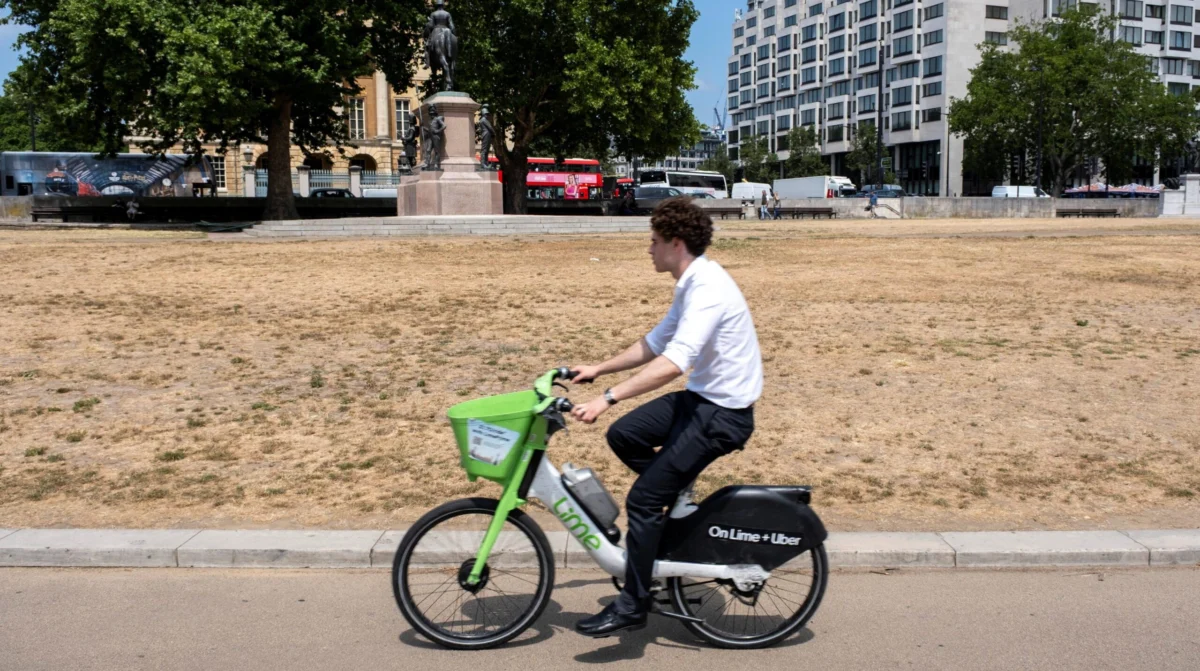
Summer in the United Kingdom has, thus far, been exceptionally challenging, marked by prolonged periods of intense heat and a significant lack of rainfall across many regions. The nation has experienced three widespread heatwaves, contributing to the longest continuous stretch of dry days in central England since 1995. While northern and western Scotland have seen closer to average rainfall, England, Wales, and eastern Scotland have borne the brunt of these arid conditions, a pattern that unfortunately follows an already very dry spring in these same areas. With forecasts indicating minimal rainfall for most of the coming week, punctuated only by a few isolated light showers predominantly near coastal areas, a critical question looms: Is the UK on the precipice of a second consecutive summer drought?
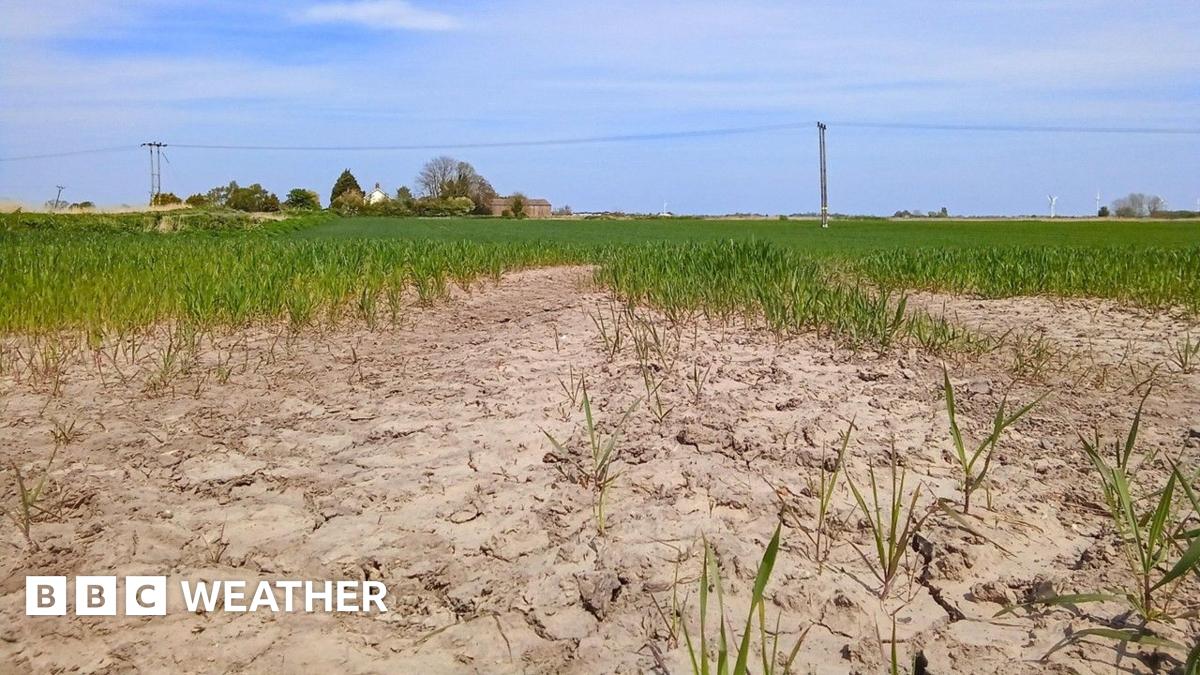
The meteorological data paints a stark picture of the prevailing dryness. As of mid-July, parts of eastern and north-eastern England had received a mere 26% of their total expected summer rainfall. This alarming deficit highlights a severe hydrological stress on the environment. Central England, in particular, has endured its most extended dry spell in nearly three decades, with locations like Wisley in Surrey recording an astonishing 33 consecutive days without measurable rain. These figures inevitably invite comparisons to last summer, when a widespread drought was officially declared across much of England, Wales, and eastern Scotland, only to officially conclude a mere four months prior to the current dry spell.
However, the rapid declaration of drought witnessed last year has not yet materialized with the same urgency this summer. This delay can be primarily attributed to a very wet autumn and winter period that preceded the current dry conditions. This crucial period of heavy rainfall allowed for a significant recharge of the nation’s vital water infrastructure, including aquifers, rivers, and reservoirs. While this provided a buffer, the UK Centre for Ecology and Hydrology warns of an increasing risk of "flash droughts." These phenomena are characterized by a sudden and intense transition from wet to dry conditions, and experts predict they are "likely to happen more often, and be more intense" in the future, posing a significant challenge to water management and environmental resilience.
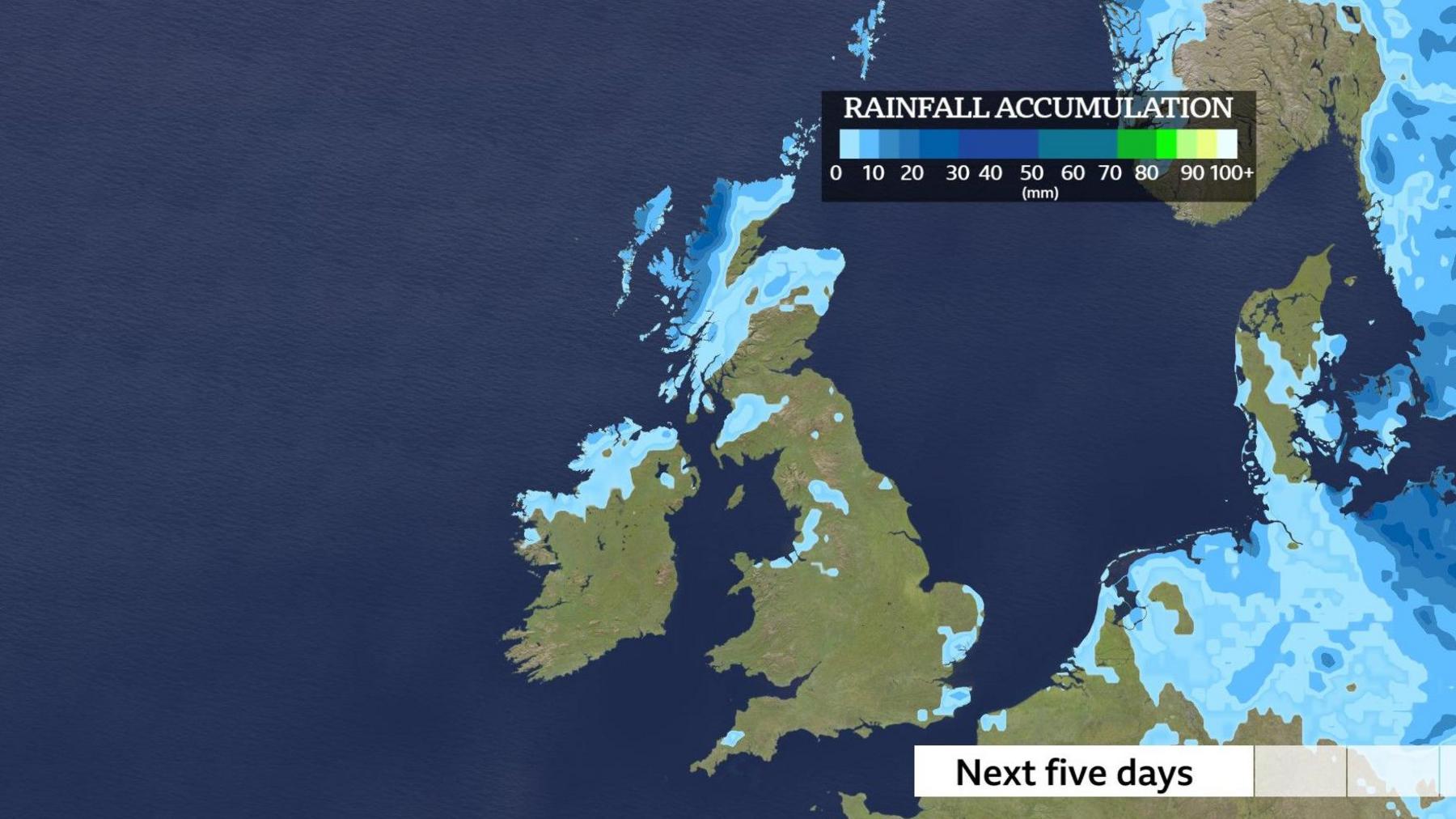
Looking ahead, the immediate forecast offers little respite for the parched regions. A persistent high-pressure system is expected to dominate the weather patterns for the remainder of this week, ensuring that no significant rainfall is anticipated for at least the next five days. Any potential precipitation is limited to a few isolated midweek showers, primarily affecting coastal areas in south-east England and East Anglia, as well as northern Scotland. As the weekend approaches, meteorologists anticipate the movement of rain-bearing weather fronts from the north-west. However, the majority of this much-needed rain is projected to fall across parts of Northern Ireland and Scotland. As these fronts attempt to push further south, they are expected to weaken and potentially "fizzle out," meaning that the regions most desperately in need of rainfall – the south and east of England – are likely to receive little to no benefit. The longer-range outlook for the remainder of the summer remains uncertain, but current indications suggest a continuation of mainly dry and warm conditions, particularly in the south. While summer thunderstorms are possible, their localized and often intense nature means they frequently fail to provide the widespread, sustained rainfall required to alleviate prolonged dry spells and replenish depleted water resources effectively.
The implications of this persistent dry weather are already profoundly impacting both the water industry and the agricultural sector across the UK. Due to the confluence of prolonged dry conditions and a natural increase in water demand during summer, hosepipe bans have been implemented for millions of customers across England. Major water companies, including Southern Water, South East Water, and Thames Water, have introduced or are considering such restrictions, underscoring the severity of the water scarcity. These bans are not merely inconveniences; they are critical measures to conserve dwindling supplies and prevent more severe water restrictions.
The Environment Agency reports a significant decline in river flows across England in recent weeks, with an alarming 87% of catchments now registering at "below normal to exceptionally low levels." Low river levels have severe ecological consequences, impacting aquatic wildlife, disrupting ecosystems, and diminishing water quality due to reduced dilution of pollutants. While autumn and winter rainfall helped recharge reservoirs, the current dry spell is steadily eroding these reserves, necessitating continued vigilance and conservation efforts. Groundwater levels, which are crucial for long-term water supply and take considerably longer to replenish than surface water bodies, are also under increasing stress, further exacerbating concerns about future water security.
For the agricultural sector, the situation is increasingly dire. Paul Tompkins, deputy president of the National Farmers’ Union, describes farmers and growers as "working around the clock" to manage the crisis. This involves accelerated harvesting of crops that have matured prematurely due to the heat, intensive irrigation efforts for fruit and vegetables, and constant care for livestock struggling with parched pastures and limited water sources. Tompkins emphasizes that "parts of the country, particularly in the east and south, have seen exceptionally low rainfall this spring and summer," which could lead to "another difficult and expensive harvest." Farmers are facing reduced crop yields for staples like cereals and root vegetables, increased operational costs due to irrigation, and a severe shortage of fodder for livestock as grass growth dwindles. The financial strain on farms is immense, and the cumulative effect of consecutive years of extreme weather, including the challenging harvests of 2024 and 2025 (referring to previous recent difficult periods), raises serious questions about long-term food security and the resilience of the agricultural supply chain in the UK.

Beyond the immediate challenges, this recurring pattern of hot, dry summers underscores a more profound and systemic issue: climate volatility driven by human-induced climate change. The Met Office’s projections paint a concerning future, predicting that UK summers will become progressively "hotter and drier." By 2070, summers could be up to 60% drier and between 1-6°C warmer compared to 1990 levels. This alarming forecast highlights the urgent need for a comprehensive and coordinated response from all sectors of society.
The challenge ahead is multi-faceted, requiring robust strategies from government, proactive adaptation from farmers, enhanced preparedness from health services, and conscious behavioral changes from every individual. Governments must invest in resilient water infrastructure, including expanded water storage capacity, improved water transfer networks, and advanced drought management plans. Farmers must embrace innovative adaptation strategies, such as cultivating drought-resistant crop varieties, implementing more efficient irrigation technologies like drip systems, and investing in water harvesting and storage solutions on their land. Health services need to bolster their capacity to manage heat-related illnesses and anticipate increased demand during extreme weather events. For individuals, water conservation must become a societal norm, extending beyond hosepipe bans to everyday practices in homes and gardens. Strengthening resilience to this escalating climate volatility and adapting to the many profound changes that lie ahead, as the world continues its warming trajectory, is not merely an option but an imperative for the future well-being and sustainability of the United Kingdom.




 Roy Suryo

 Nakalama John
 atisusanti
 Ramos Leo