
 Nakalama John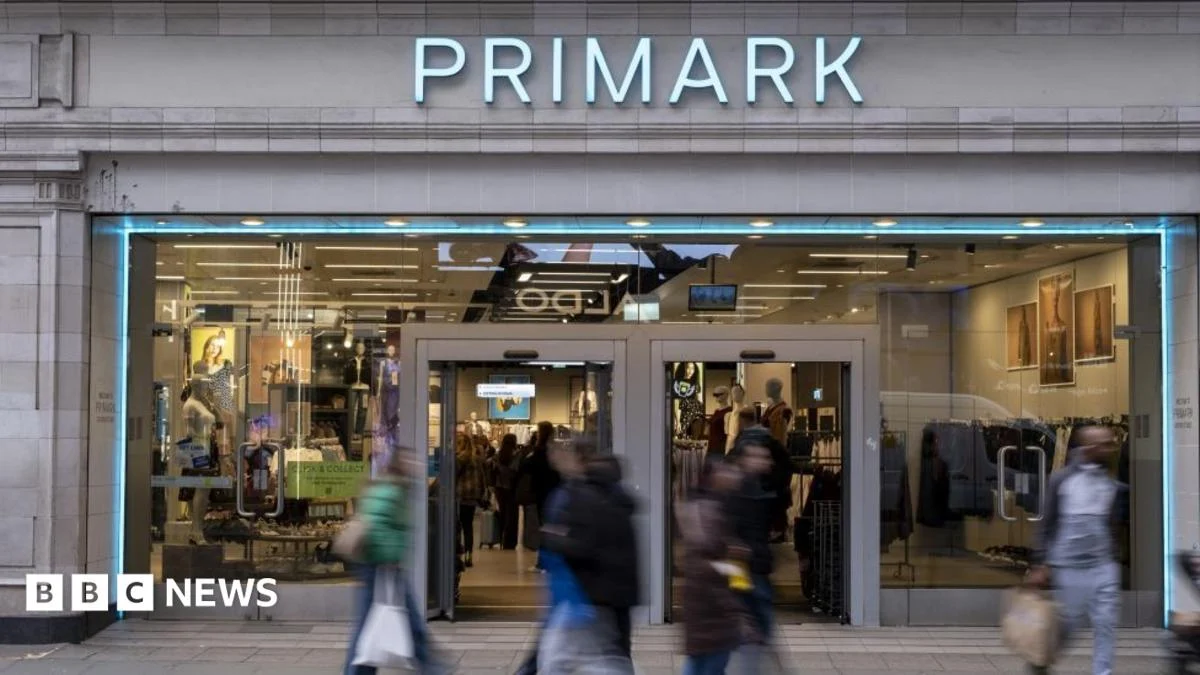
For years, Primark has been synonymous with ultra-affordable fashion, a go-to destination for budget-conscious shoppers seeking the latest trends without breaking the bank. However, a growing chorus of consumers now echoes the sentiment: "Primark isn’t as cheap any more." This perceived shift in value has become a frequent observation among shoppers, challenging the very foundation of Primark’s brand identity. Eshal Malik, a 19-year-old student, articulated this widely held belief while browsing jewellery at a Primark store, noting, "It’s definitely got more expensive." This sentiment underscores a critical juncture for the fast-fashion behemoth, prompting a strategic recalibration that could redefine its market position.
In a significant move that surprised many industry observers, Primark announced on Monday that it was initiating price reductions on hundreds of its core clothing items. The targeted products include everyday essentials such as jeans, jumpers, and socks – garments central to its appeal. This decision is particularly striking given Primark’s established reputation as a low-cost retailer. As retail analyst Natalie Berg commented, such a headline is more typically associated with mid-to-high-end retailers like Marks & Spencer or Next, rather than a brand whose entire ethos is built on rock-bottom prices. "You don’t want to join a race to the bottom," Berg cautioned, yet she acknowledged the inescapable reality: "But when Shein is selling dresses for £3, you’ve got to respond, right?" This statement encapsulates the intense competitive pressure currently reshaping the retail landscape.
The decision to cut prices comes at a pivotal moment for Primark, which operates more than 190 stores across the UK. The company has recently experienced a noticeable drop in like-for-like sales, a crucial metric that measures the growth of existing stores and indicates underlying business health. This decline is a red flag, especially as its parent company, Associated British Foods (ABF), prepares for a potential spin-off of the Primark business onto the London stock market next year. A successful flotation hinges on demonstrating robust performance and a clear growth strategy, making the current sales trajectory a pressing concern.
The competitive environment for fashion retailers has, as Natalie Berg notes, "evolved dramatically" in recent years. The emergence and meteoric rise of Chinese online marketplaces, particularly Shein and Temu, have introduced a new paradigm of ultra-fast, ultra-cheap fashion that is directly challenging Primark’s traditional customer base. These digital-native giants have perfected a model that allows them to produce and deliver fashion items at prices previously unimaginable, effectively setting a new baseline for affordability.
However, the competition extends beyond just Shein and Temu. The digital ecosystem of fashion retail is now teeming with diverse players. Social commerce platforms like TikTok Shop leverage influencer marketing and impulsive purchasing through live streams and short videos, while second-hand marketplaces such as Vinted offer an alternative value proposition centered on sustainability and affordability through pre-owned items. These platforms cater to various consumer preferences, fragmenting the market and intensifying the fight for every pound spent.
Primark’s strategy of slashing prices on core items is a calculated move to reassert its dominance in the value segment. By offering highly visible, low-cost staples, Primark aims to replicate the "loss leader" tactic common in supermarkets, where essentials like milk and bananas are priced competitively to draw customers into stores, hoping they will fill their baskets with higher-margin items. This approach banks on the historical "treasure hunt" appeal and impulse-buy nature of the Primark shopping experience.
Shein and Temu’s ability to significantly undercut traditional retailers like Primark stems from several key operational advantages. Firstly, their business models are entirely online, eliminating the substantial overheads associated with physical retail locations, such as rent, utilities, and staff for brick-and-mortar stores. Secondly, a critical factor in their pricing power has been the de minimis threshold for import duties. Until recently, most packages shipped directly from China to consumers in the UK and other Western markets were exempt from import duties and taxes if their declared value fell below a certain amount (e.g., £135 in the UK). This exemption, which allowed goods to bypass tariffs, is set to end in October 2028, but it has provided a significant cost advantage for years. Finally, their highly efficient, on-demand operating models, often described as "real-time retail," minimize unsold stock. Unlike traditional retailers who produce collections months in advance, Shein, for instance, uses sophisticated algorithms to identify micro-trends, produces small batches of new items, and then scales up production only for popular designs. This agile supply chain drastically reduces waste and the need for heavy discounting to clear unsold inventory.
Natalie Berg emphasizes that Shein’s current low prices are now perceived as the "new baseline" by many consumers, particularly younger shoppers. This demographic, accustomed to endless choice and instant gratification online, is heavily influenced by these platforms. Mintel research from July 2025 indicated that a significant 32% of women aged 16-34 who purchased clothes online had shopped at Shein within the preceding year. The allure of Shein lies not only in its rock-bottom prices but also in its abundant discount codes, constant new arrivals, and seemingly endless pages of products, which create a highly engaging and almost addictive shopping experience.
In stark contrast to these digital giants, Primark has been slower to embrace a comprehensive e-commerce strategy. While it offers a click-and-collect service, it notably does not provide home delivery, a standard expectation for most online retailers today. This absence of full e-commerce functionality limits its reach and convenience compared to its online rivals.
Some consumers are also discovering better value for money on the high street itself, outside of Primark. Isobel Guffick, 30, from Staffordshire, highlights Sainsbury’s Tu range as offering greater quality clothing at similar price points, particularly for "really good basics." This suggests that Primark’s perceived quality-to-price ratio is also being challenged by other mainstream retailers. Beyond new purchases, Guffick, like many others, actively seeks to save money by buying clothes secondhand. She frequents charity shops, car boot sales, and online platforms like Vinted weekly, enjoying the "treasure hunt" aspect of finding unique bargains. This trend towards circular fashion further diverts consumer spending from new, fast-fashion items.
The implications of Primark’s price cuts for its business model are significant, especially for a retailer operating on famously tight margins. Reducing prices, even by a few pounds on a jumper or a pair of jeans, can have a magnified impact on profitability. A Primark spokesperson, however, reiterated the company’s commitment to its core principles: "Our business model and focus on buying at scale and keeping costs low helps us to offer the prices we do, but we don’t compromise on quality or ethics to do that." The company’s latest annual report highlights that approximately 85% of its products are priced at £10 or less, underscoring its historical commitment to affordability.
Industry experts believe the price reductions are not merely a charitable gesture but a calculated marketing exercise. As retail expert Sarah McCusker explains, the aim is to draw more shoppers into stores with the promise of unbeatable prices on core items. The expectation is that once inside, customers will succumb to the "impulse nature" of Primark shopping, filling their baskets with other, potentially higher-margin items that were not part of the initial price cut. This strategy aims to boost overall transaction values and footfall.
Furthermore, the price adjustments are also a strategic response to inventory management. A major challenge for many fashion retailers is dealing with large volumes of unsold stock, which often necessitates heavy discounting to clear. AJ Bell analyst Russ Mould suggests that Primark’s price changes "will help them shift stock, meaning they don’t have to discount too much any further." By proactively adjusting prices, Primark hopes to maintain healthier stock levels and reduce the need for more drastic, profit-eroding clearance sales down the line.
Ultimately, analysts agree that Primark’s decision to lower prices is a direct and necessary response to an increasingly competitive and dynamic retail environment. The rise of ultra-fast fashion giants, the growth of social commerce, and the increasing appeal of second-hand markets have collectively created unprecedented pressure on traditional value retailers. As Natalie Berg succinctly puts it, "When it comes to staying relevant to customers today, you have to offer value for money. Especially if you are meant to be the value fashion retailer in the UK, you have to deliver on that promise." Primark’s price cuts are not just about competing; they are about reaffirming its core identity and ensuring its continued relevance in a rapidly evolving market.




 Roy Suryo

 atisusanti
 Ramos Leo
