
 Nakalama John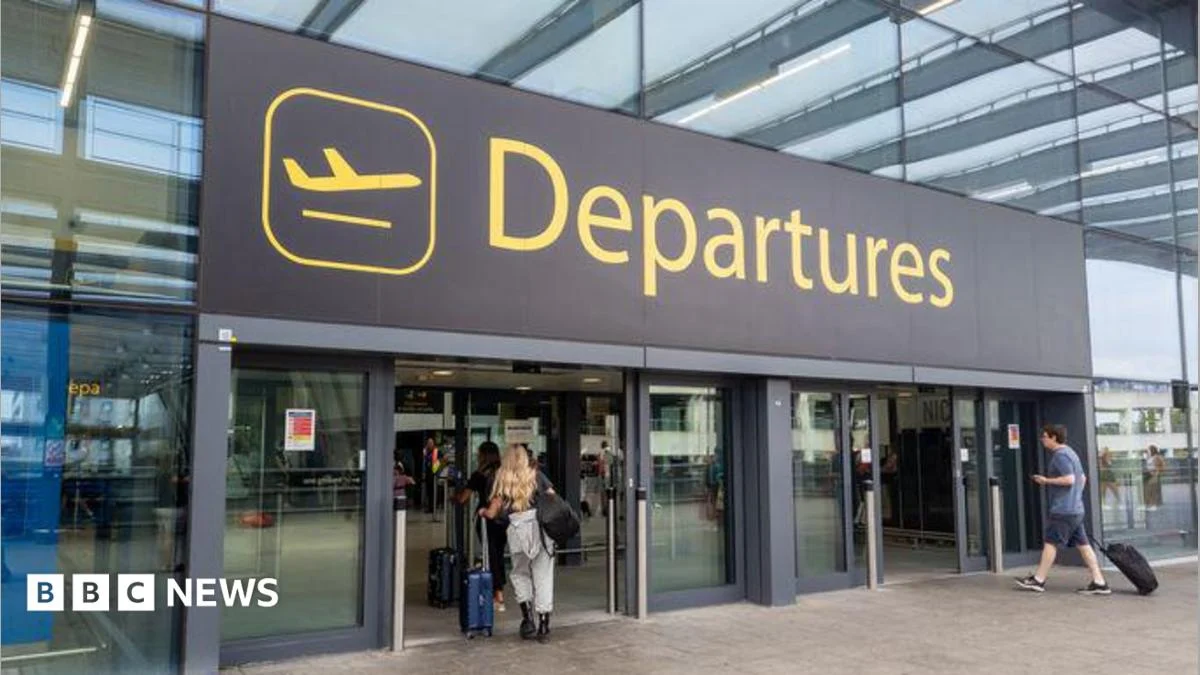
In an official statement released on X, formerly known as Twitter, the major international airport located in West Sussex offered its sincere apologies for the considerable disruption. The airport confirmed that the root cause of the problem lay in the Horley area, where a critical issue was impacting water supplies, and investigations into its precise nature and extent were actively underway. To mitigate the immediate impact on those within the airport, contingency measures have been swiftly implemented. Bottled water is reportedly being made available to passengers and staff, a crucial step to ensure basic hydration, although early reports suggest inconsistent distribution. These measures aim to alleviate some of the discomfort while the underlying problem is addressed.
SES Water, the utility company responsible for water provision in parts of Kent, Surrey, and south London, including the expansive Gatwick Airport site, acknowledged the problem and confirmed its teams were working diligently to restore normal service as quickly as possible. A spokesperson for SES Water provided further details regarding the cause of the disruption, explaining that a power outage at their Bough Beech Water Treatment Works had led to a series of complications. These complications were resulting in some customers experiencing critically low water pressure or a complete, albeit temporary, loss of supply. The spokesperson reiterated the company’s commitment, stating, "We are working to overcome those complications and return the treatment works to supply as quickly as we can." The spokesperson explicitly confirmed that Gatwick Airport was among the affected customers, adding, "We are working with them while our teams work to restore normal service as quickly as possible." This collaborative effort underscores the critical nature of the situation, impacting a vital piece of national infrastructure.
The immediate human impact of the water shortage was palpable. Paul Lee, a passenger at the airport, conveyed his frustration to the BBC, noting a distinct lack of clear communication from airport authorities. He reported not having heard any public announcements about the issue nor had he witnessed the distribution of bottled water that the airport had claimed to be providing. Lee’s account highlighted the severity of the situation for those attempting to navigate the airport environment: "For people who need to go to the toilet, this isn’t good, and still no announcement or official information – and the water they mentioned isn’t being distributed." As he prepared for his flight, Lee acknowledged his fortunate timing but expressed concern for others: "I’m taking off soon, so that’s fine, but for passengers in a few hours, this will be bad." He further elaborated on the widespread closures, confirming that most restaurants and lounges were shut down, while only retail shops remained operational, offering limited comfort and convenience options for stranded or delayed travellers.
The lack of basic amenities extended beyond hygiene and sustenance. Michael Dugher, a former MP and ex-CEO of UK Music, who was recently appointed as the UK government’s first "music champion," took to social media to directly appeal to the airport. He urged Gatwick to "at least allow people to use the chairs in all the closed restaurants and bars." Dugher passionately highlighted the additional layer of discomfort being experienced by passengers: "No water is one thing but depriving people of somewhere to sit is another… families are having to sit on the floor." This observation underscored the broader operational challenges facing the airport in managing passenger welfare during an unforeseen crisis, with many travellers, including families with young children, forced into uncomfortable positions due to the lack of available seating and basic facilities. The scene described by Dugher painted a picture of widespread discomfort and disarray, impacting the overall travel experience significantly.
The ramifications of the water supply problem extended directly to flight operations and passenger travel plans. People heading to the airport for scheduled flights were explicitly advised against arriving early, a stark departure from typical airport guidance. EasyJet, a major airline operating from Gatwick, issued a statement detailing specific adjustments to its procedures. The airline confirmed, "Due to a water supply issue affecting London Gatwick Airport, bag drop desks are temporarily opening two hours before departure instead of three hours." This change, while seemingly minor, has significant ripple effects, potentially creating bottlenecks and further delays for passengers. EasyJet’s statement continued with a firm directive: "Please do not arrive earlier, as you will not be able to drop off your bags or enter the departure lounge until bag drop opens." This advice, while practical for managing airport congestion, also means passengers might be waiting outside or in less comfortable areas for longer, without access to the limited amenities available inside the terminals. Other airlines operating from Gatwick were expected to implement similar measures or face significant operational challenges, leading to potential cascading delays across the airport’s flight schedule.
The incident at Gatwick highlights the inherent vulnerabilities of critical infrastructure to disruptions, even those originating from seemingly remote locations like a water treatment plant. A power outage at the Bough Beech Water Treatment Works, which serves a wide area, demonstrates how interconnected modern utilities are. The complications arising from such an event can quickly escalate into a major logistical and public relations challenge for a busy international hub like Gatwick. The treatment works itself is a complex facility, relying on continuous power to operate pumps, filters, and chemical treatment processes essential for delivering potable water. A power failure can disrupt these operations, leading to a loss of pressure or complete cessation of supply, especially to higher elevations or distant points in the network. Restoring such a facility to full operation typically involves not just power restoration but also careful system checks, re-pressurisation, and water quality monitoring to ensure safety, a process that can take many hours, if not days, depending on the severity of the initial outage and subsequent complications.
For Gatwick Airport, the disruption translated into a cascade of operational headaches. The closure of toilets not only poses a significant hygiene challenge but also carries potential public health risks if not managed effectively. The provision of bottled water, while necessary, does not address the fundamental need for sanitation. The widespread closure of restaurants and cafes means a substantial loss of revenue for concessionaires, impacting numerous businesses and their employees. Moreover, it severely limits options for passengers seeking food and drink, particularly those with dietary restrictions or specific needs. Airport staff, already working in a high-pressure environment, were undoubtedly stretched thin, attempting to manage frustrated passengers, distribute water, and implement contingency plans amidst the chaos. The logistical challenge of maintaining basic hygiene in thousands of square metres of airport terminal without a functioning water supply is immense, potentially requiring the deployment of temporary facilities or enhanced cleaning protocols using external water sources.
The long-term implications of such an incident extend beyond the immediate disruption. For Gatwick Airport, a major gateway to the UK, an event like this can impact its reputation for efficiency and passenger comfort. In an increasingly competitive global aviation market, maintaining high operational standards is crucial. Passengers, particularly those travelling internationally, expect reliable services from major airports. Repeated or prolonged infrastructure failures could lead to a decline in passenger confidence and potentially influence airline decisions regarding routes and hubs. Furthermore, the incident serves as a reminder for all critical infrastructure operators to continually assess and enhance their resilience plans, particularly against common vulnerabilities like power outages. This includes exploring backup power generation, redundant supply lines, and robust communication strategies to keep the public informed during emergencies.
The advice from EasyJet for passengers not to arrive early underscores the scale of the challenge in managing passenger flow and airport capacity during the crisis. With bag drop desks opening later, passengers are effectively held outside the security perimeter for longer, potentially leading to overcrowding in check-in areas. This delay could have knock-on effects for security queues once passengers are finally allowed through, and for boarding processes, contributing to wider flight delays across the airport. For passengers with tight connections or those on time-sensitive journeys, these delays can be particularly stressful and disruptive, potentially leading to missed flights and further travel complications. The incident at Gatwick Airport, triggered by a problem in the Horley area affecting SES Water’s Bough Beech Treatment Works, serves as a powerful illustration of how an issue in one part of a complex network can reverberate with significant consequences across an entire region, directly impacting thousands of individuals and the operations of a vital international transport hub. The full extent of the disruption and the time required for complete normalisation of services remains an evolving situation, with airport and water company teams working tirelessly to mitigate the impact.



 Roy Suryo

 atisusanti
 Ramos Leo
