George Anjay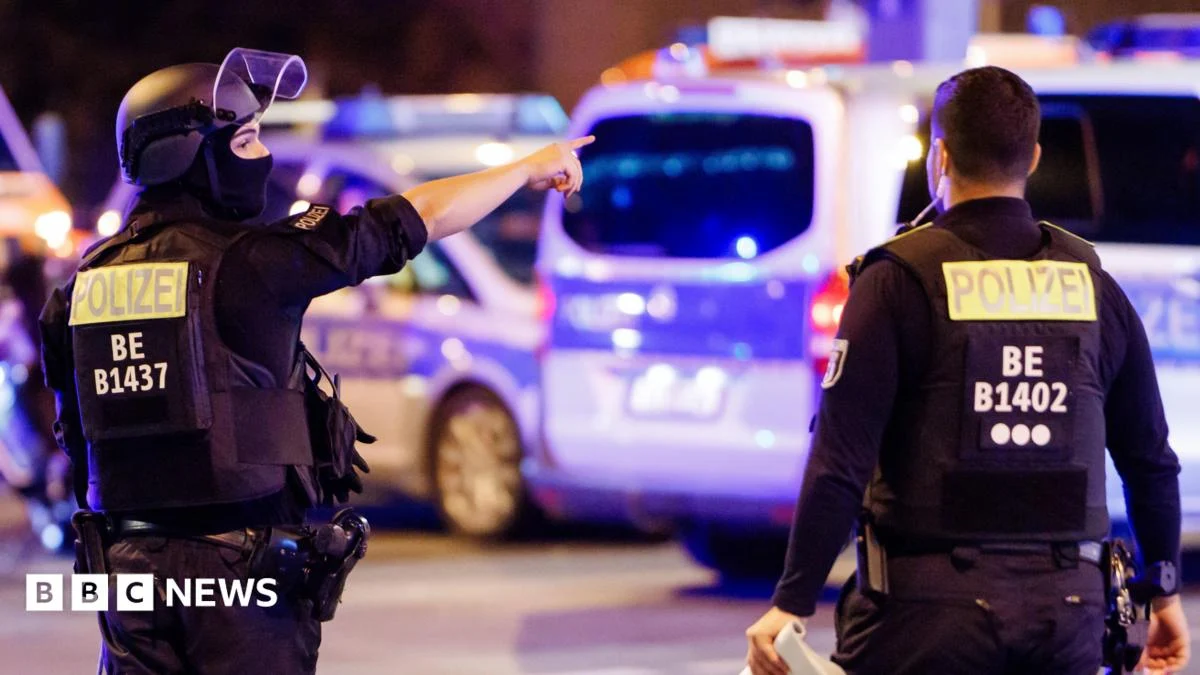
Berlin, Germany – A shocking act of violence shattered the jubilant atmosphere of Berlin’s annual Christopher Street Day (CSD) Pride celebration on Saturday evening, when a speeding vehicle deliberately plowed into a crowd of revelers in the heart of the capital, followed by reports of stabbing incidents, leading to the tragic death of at least one woman and injuries to sixteen others. The horrific assault unfolded around 10:00 PM local time (8:00 PM GMT) in the iconic Tiergarten park, a sprawling green oasis that had transformed into a vibrant sea of color and solidarity, drawing hundreds of thousands of participants for one of Europe’s largest LGBTQ+ Pride events.
The annual celebration, a cornerstone of Berlin’s vibrant cultural calendar and a powerful statement of diversity and inclusion, was in full swing, with music, dancing, and impassioned speeches filling the air near the historically significant Brandenburg Gate. Witnesses described a scene of festive exuberance just moments before the terror struck. The sheer scale of the gathering, estimated to be in the hundreds of thousands, amplified the potential for widespread devastation.
The first horrifying reports began to filter through to the Berlin police shortly after 10:00 PM. A white vehicle, moving at high speed, was seen to deliberately swerve into the densely packed crowds enjoying the festivities. The initial chaos was compounded by subsequent reports of individuals being stabbed amidst the panic. The confluence of these violent acts, the ramming and the stabbings, created a scene of unprecedented terror and confusion for attendees and emergency services alike.
In the immediate aftermath of the attack, the Pride event was abruptly brought to a halt. Organizers, their faces etched with shock and concern, took to the main stage, their voices carrying a somber message of immediate cancellation. They advised the bewildered crowd to begin making their way towards the designated exits, urging a swift and orderly dispersal. As this critical instruction was being conveyed to the throng, the word “Evacuation” flashed in stark, bold letters across a large screen on the stage, a chilling visual confirmation of the gravity of the situation.
The scene described by witnesses and later corroborated by unverified video footage circulating on social media was one of widespread panic and urgent flight. Large numbers of people, their festive attire now a stark contrast to their terrified expressions, were seen streaming away from the immediate vicinity of the attack. Simultaneously, the distant wail of sirens grew louder as an armada of emergency vehicles, including police cars, ambulances, and fire trucks, converged on the scene with desperate speed. The rapid response of the emergency services was a testament to the scale of the unfolding disaster.
As the night wore on and emergency personnel worked tirelessly to tend to the injured and secure the area, official confirmations began to emerge from the Berlin police. Around 1:00 AM local time, authorities confirmed the grim toll: one woman had been killed in the attack, and an additional sixteen individuals had sustained injuries of varying severity. The exact nature and extent of these injuries were not immediately disclosed, but the figure indicated a significant number of people caught in the path of the vehicle or affected by the subsequent stabbings. The police presence in the area was heavily augmented, with officers in tactical gear cordoning off sections of Tiergarten and conducting thorough investigations.
A significant development in the investigation occurred a short time after the casualty figures were released. Police announced that they had located the vehicle believed to have been used in the ramming attack. The vehicle was found to have crashed into a tree, suggesting that the driver may have lost control after the deliberate act of violence, or potentially attempted to flee the scene. The discovery of the vehicle was a crucial piece of evidence, and it was immediately secured for forensic examination. Investigators would be looking for any clues that could help identify the perpetrator and understand the motive behind this heinous act.
The motive behind the attack remains unclear at this early stage of the investigation. However, given the target – a Pride event – and the nature of the assault, investigators are exploring all possibilities, including whether the incident was a targeted act of hate or an act of terrorism. The timing of the attack, during a major public celebration of LGBTQ+ rights and visibility, raises particular concerns about potential bias motivations. Berlin, a city known for its progressive values and embrace of diversity, was left reeling from an act that sought to undermine the very fabric of its inclusive society.
The immediate aftermath saw a swift and decisive response from law enforcement and emergency services. The focus was on securing the scene, providing medical assistance to the injured, and initiating a manhunt for any potential accomplices or individuals involved in the stabbing incidents. The psychological impact on the survivors and witnesses is also a significant concern, with victim support services expected to be mobilized.
The cancellation of the Christopher Street Day event sent a wave of sadness and anger through the LGBTQ+ community and its allies, both in Berlin and globally. The event, which had been a beacon of joy and a powerful symbol of progress, was tragically overshadowed by violence. However, many expressed a resolve not to let such acts of terror silence their voices or deter their commitment to equality and acceptance.
As dawn broke over Berlin, the city began to grapple with the full implications of the attack. The investigation was expected to be extensive, involving the analysis of forensic evidence from the vehicle and the scene, as well as the collection of witness testimonies. The rapid dissemination of information and the cooperation between different law enforcement agencies were crucial to bringing those responsible to justice. The global community watched with concern, offering solidarity to Berlin and condemning the abhorrent act of violence that marred a celebration of love and diversity. The resilience of Berlin’s community and its commitment to upholding its values of tolerance and inclusivity will be tested in the days and weeks to come, as the city mourns its dead and begins the long process of healing and seeking justice. The stark reality of the attack served as a grim reminder that the fight for equality and acceptance, while often celebrated, can still face brutal opposition.




 Roy Suryo

 Nakalama John
 atisusanti
 Ramos Leo