Ramos Leo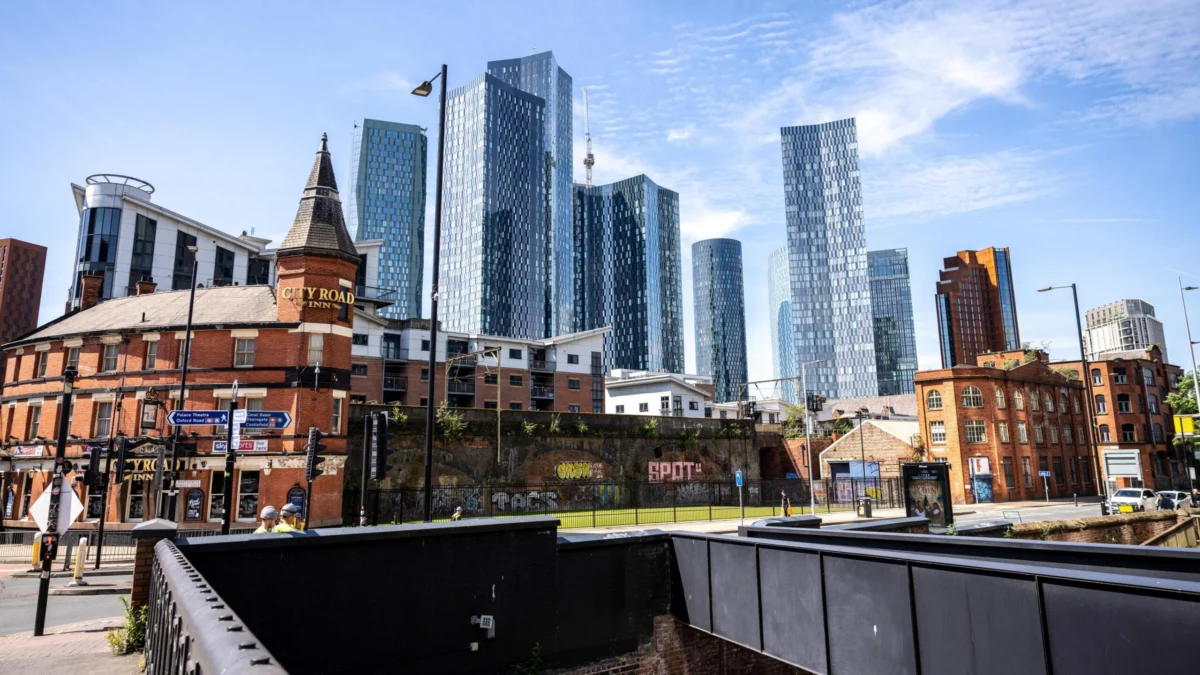
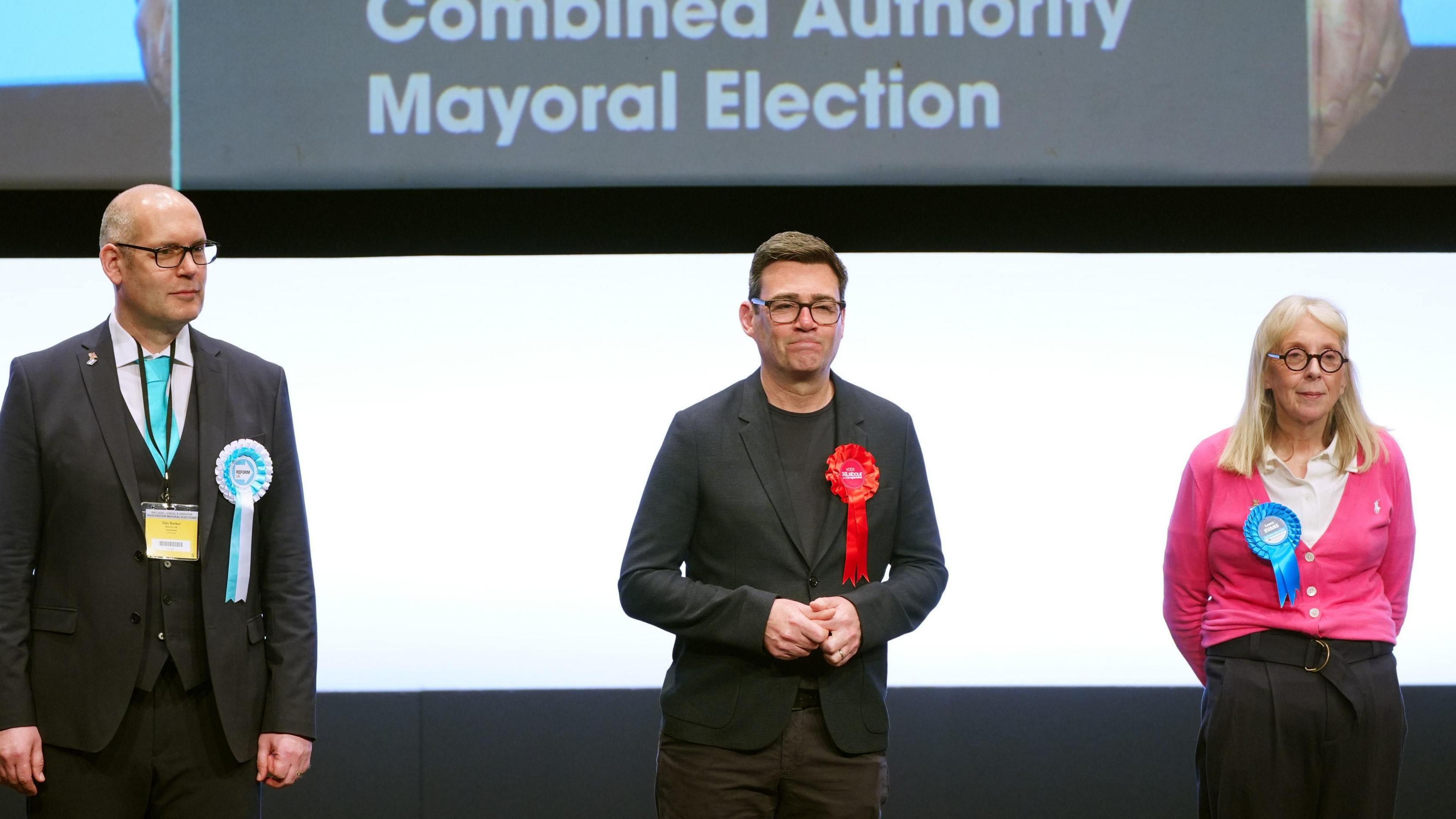
Voters across the vibrant and diverse landscape of Greater Manchester are poised to head to the polls this Thursday, tasked with electing a new mayor for this influential city region. This election carries significant weight, as the Greater Manchester Mayoralty stands as one of the most powerful positions in English politics, second only to the Prime Minister and the Mayor of London in terms of devolved authority and direct impact on a vast urban conurbation. The eyes of the nation, particularly those within Westminster, will be fixed firmly on the outcome, seeing it as a crucial barometer of political sentiment and a test for various parties.
The current election has been triggered by an unexpected turn of events. Andy Burnham, who had become synonymous with the Greater Manchester mayoral office, reportedly secured victory in the Makerfield by-election last month. This electoral success is understood to have paved a direct path for him towards national leadership and potentially Downing Street. In line with established protocols, such a move into parliamentary politics necessitated his automatic resignation as Greater Manchester’s mayor, thereby creating the vacancy that voters will now fill. This sudden transition underscores the dynamic nature of political careers and elevates the importance of this regional contest to a national narrative.
Labour’s standard-bearer in this crucial contest is Bev Craig, the current and highly respected leader of Manchester City Council. Craig steps into a challenging arena, aiming to replicate Labour’s traditional dominance across the ten boroughs of Greater Manchester. While Manchester City Council itself has long been a Labour stronghold, exemplified by the party holding an astonishing 95 out of 96 council seats at one point, the broader city region presents a more nuanced electoral map. Her task extends beyond the urban core, encompassing the diverse political leanings of the surrounding nine boroughs. This variation in support is starkly highlighted by the fact that eight of the ten Greater Manchester boroughs voted to Leave in the 2016 Brexit referendum, a statistic that could provide fertile ground for parties like Reform UK and others on the political right.
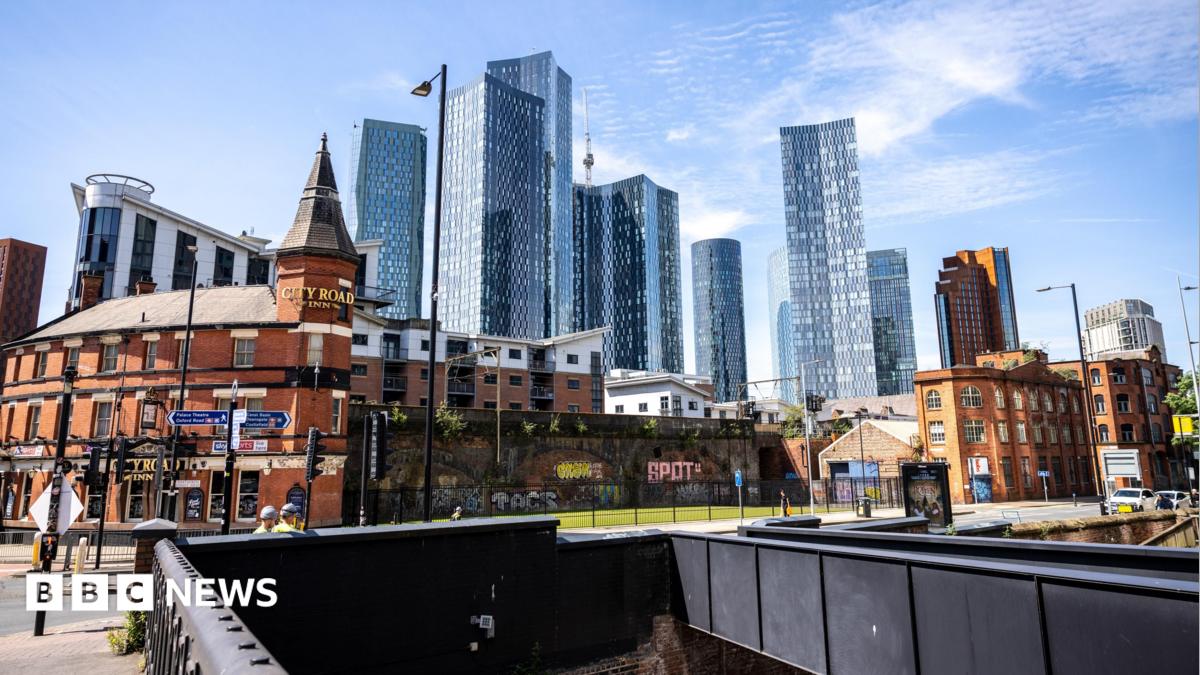
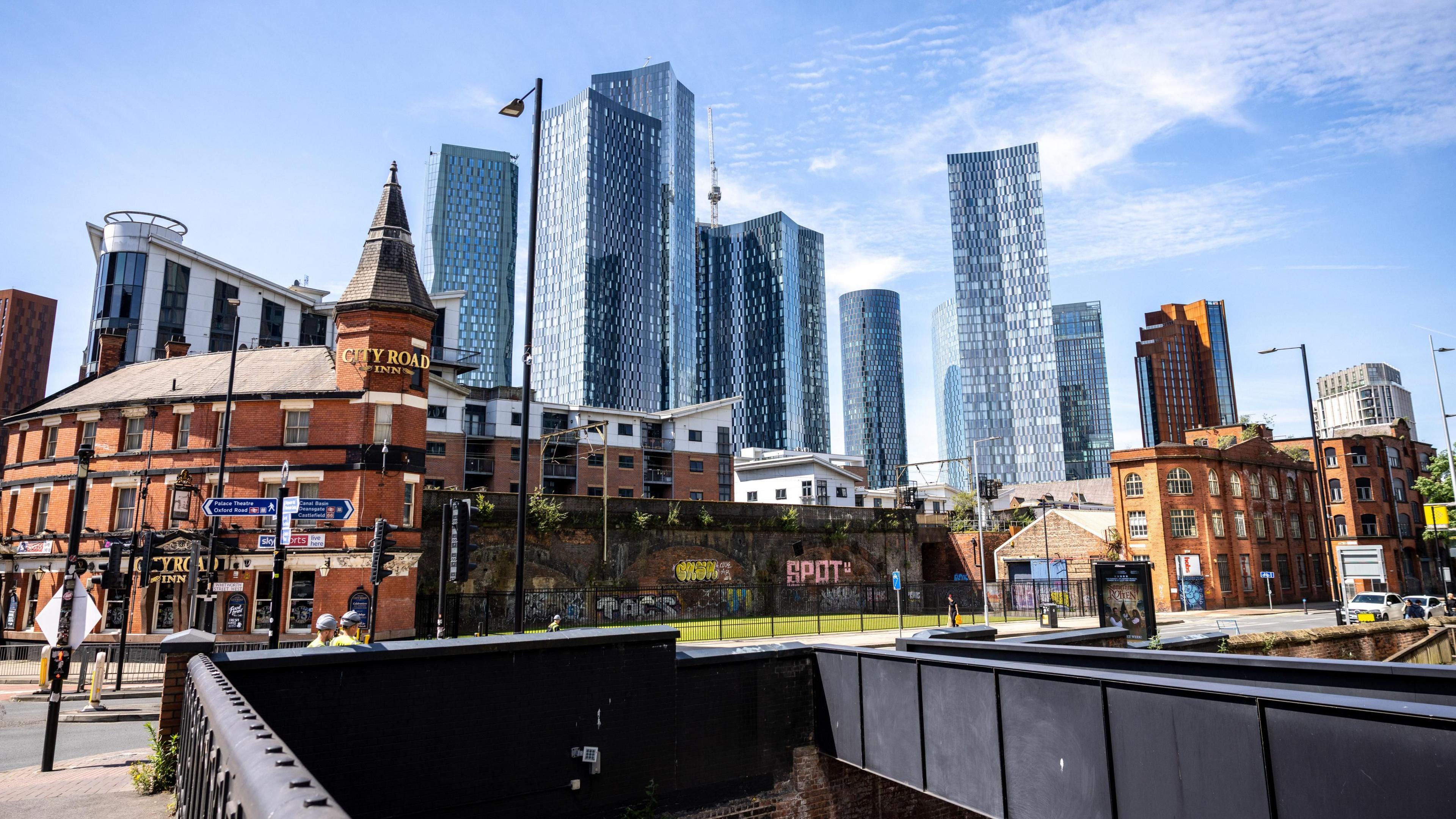
Bev Craig is no stranger to filling formidable shoes. She took the helm of Manchester City Council in 2021, succeeding Sir Richard Leese, who had presided over the city’s affairs for an extraordinary quarter of a century. Leese’s tenure spanned an era of immense transformation for Manchester, from the cultural explosion of Britpop in the 1990s to the global spotlight of the 2002 Commonwealth Games, and the dramatic reshaping of the city’s skyline with its soaring glass-fronted skyscrapers. Craig’s experience in leading such a significant urban authority undoubtedly prepares her for the regional responsibilities of the mayoralty, but the broader electoral landscape demands a different kind of appeal and strategy.
Andy Burnham, the outgoing (as per the prompt’s narrative) mayor, had an impressive track record in the role. He was the inaugural elected mayor for Greater Manchester in 2017 and was subsequently re-elected twice, demonstrating a significant personal mandate. Each time, Burnham managed to outpoll his own party’s performance, consistently gaining a majority of votes across all boroughs. His personal appeal was so strong that in 2017, he even defeated his Conservative opponent, who was then the leader of Trafford Council, in that opponent’s own electoral backyard. This level of cross-party and cross-borough support established a high benchmark for any successor, highlighting the importance of individual charisma and a distinct regional vision over pure party allegiance in mayoral elections.
Burnham’s legacy as Greater Manchester mayor, while widely acclaimed, is not without its complexities and occasional criticisms. On the positive side, his ambitious reforms of the transport network, particularly the "Bee Network" vision for an integrated public transport system, have garnered widespread support and are seen as a model for urban mobility. Similarly, his investment in revitalising key towns like Altrincham and Stockport has been broadly welcomed, demonstrating a commitment to regional balance beyond the city centre. These popular initiatives are now considered almost "untouchable," with opponents across the political spectrum largely pledging to maintain and build upon them rather than dismantle them. However, Burnham’s administration also faced challenges, including ongoing public concern and anger over grooming gangs, and the eventual scrapping of his controversial proposals for a congestion charge, which proved deeply unpopular with residents and businesses alike. Navigating these successes and sensitivities will be a critical task for the next mayor.
The current political climate, as reflected in recent local and national polling, adds another layer of intrigue to this mayoral contest. In this year’s local elections, Labour found itself under pressure from both the left and the right, with Reform UK and the Green Party making significant inroads. The Liberal Democrats also enjoyed a strong performance, notably regaining control of Stockport by winning seats from the Conservatives.
Reform UK, which has seen a surge in national polls for over a year, might have approached this election with considerable confidence, especially on the back of sweeping victories in other local elections just two months prior. However, their by-election fortunes have not always translated consistently, as evidenced by their performance stalling in two other Greater Manchester by-elections this year. This casts doubt on Reform’s ability to consistently "cash in" on national discontent at the regional level. Furthermore, the presence of other radical-right groups, such as "Restore Britain," could further dilute the vote for Reform, making it harder for them to consolidate support among floating voters and position themselves as a credible "government-in-waiting." The party’s national standing has also been impacted by leader Nigel Farage being embroiled in controversies regarding his finances, and his commitment to the Clacton by-election, where he is personally contesting a parliamentary seat, inevitably means less time and energy devoted to campaigns like the Greater Manchester mayoralty.
The Conservatives, meanwhile, have seen a modest "Kemi Badenoch bounce" in national polling recently, but they came a distant second in the 2024 Greater Manchester mayoral election (presumably the one where Burnham was re-elected before his supposed Makerfield win and resignation). The rise of Reform and Restore Britain poses a significant threat, potentially diluting the Conservative share of the vote further and pushing them into an even weaker position. The Liberal Democrats, while consistently performing well in their traditional strongholds such as Stockport and certain parts of Manchester, have historically struggled to achieve broader traction across the wider Greater Manchester region.
The Green Party, buoyed by their stunning success in the Gorton and Denton by-election, will undoubtedly be looking to build on that momentum. Their breakthrough there was significantly aided by traditional Labour voters who expressed dissatisfaction with the direction of their party under Sir Keir Starmer. A key question for this mayoral election is whether these left-leaning voters, now faced with a potential new Labour government (implied by Burnham’s path to Downing Street), will return to the fold and support Bev Craig, or if they will continue to express their dissent through a vote for the Greens.
Ultimately, this election is not just about local governance; it is imbued with broader national significance. Were Labour to lose this week’s election in its geographical heartland, it would be perceived as an early and considerable blow for any national Labour leadership, particularly if Andy Burnham is indeed on a trajectory towards a national role. Conversely, Burnham’s supporters would likely argue that his personal appeal consistently outstripped his party’s, allowing him to connect with parts of the region that Labour traditionally struggles to reach. The outcome will therefore be scrutinised for what it reveals about the effectiveness of Labour’s regional machinery and the enduring strength of its brand in the North.
Whatever the result on Thursday, Greater Manchester’s strategic importance in the UK’s political landscape is undeniable. With the establishment of "Number 10 North" in the heart of Manchester, the city region is set to remain very close to the heart of power, serving as a focal point for national policy implementation and regional development. Not for the first time in recent memory, all eyes will certainly be on this dynamic city.


 Roy Suryo
 Nakalama John
 atisusanti