
 Roy Suryo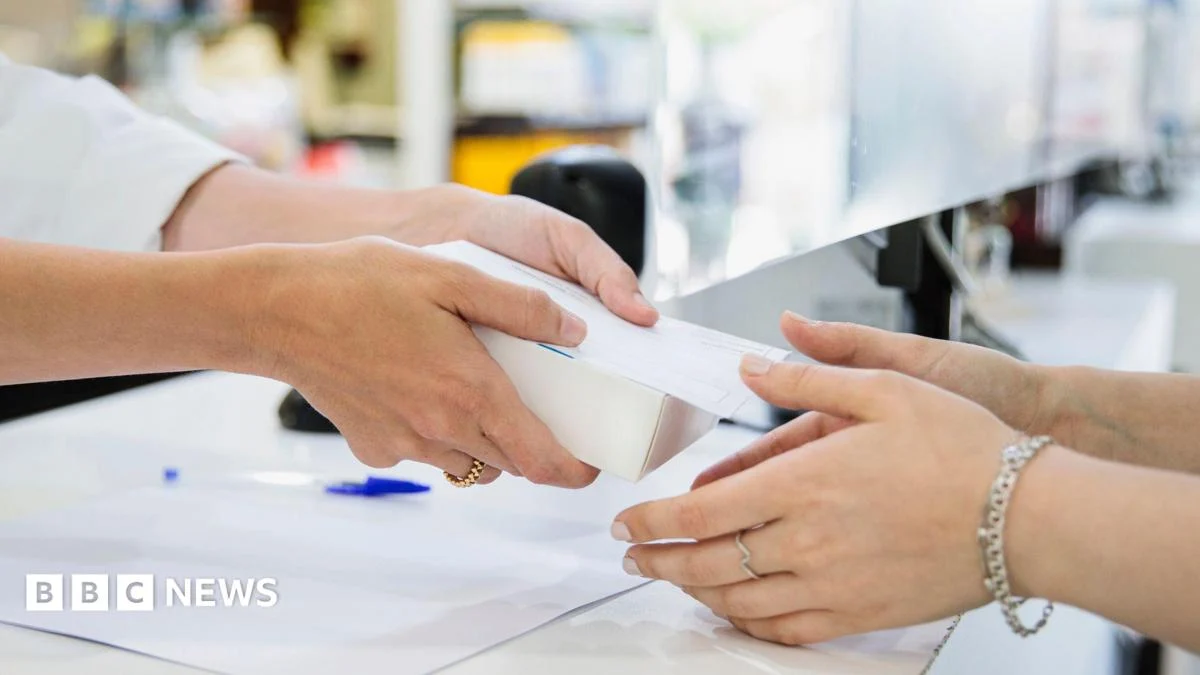
For individuals seeking alternative or more immediate pregnancy prevention, the insertion of an intrauterine device (IUD) by a doctor or nurse remains a highly effective option. This method can be implemented at any point during a woman’s menstrual cycle and must be fitted within 120 hours, or five days, of unprotected sex to ensure its preventative capabilities. The government’s decision to make the morning-after pill freely available at pharmacies was a direct response to the "unfair" obstacles and the postcode lottery that many women encountered when trying to access this essential medication. Prior to the implementation of this scheme, the availability and ease of access to emergency contraception varied dramatically depending on a woman’s geographical location, creating a system of unequal healthcare provision.
Under the current streamlined scheme, women can now discreetly visit their local participating pharmacy. There, they undergo a confidential consultation with a qualified pharmacist or a trained pharmacy technician. This consultation allows for a thorough assessment of their needs and circumstances, after which the medication can be dispensed on the same day, eliminating the need for lengthy waiting periods. This stands in stark contrast to the previous system, where women were often required to book appointments with their General Practitioner (GP), visit a sexual health clinic, or rely on pharmacies that might have had limited stock or stringent dispensing policies. While private access to the morning-after pill remains an option, the new NHS service has significantly democratized access for all.
The impact of this accessible service is evident in the data. In the financial year 2024/25, approximately 150,000 NHS prescriptions were issued for the morning-after pill. This figure, while substantial, is dwarfed by the number of women who have benefited from the new pharmacy-based service, highlighting its far greater reach and utility. Dr. Sue Mann, the NHS National Clinical Director for Women’s Health, has lauded the pharmacy service as a "major step forward for women’s health." She emphasized its key advantages: "no appointment, no waiting and no judgement." This patient-centered approach aims to remove the psychological and practical barriers that may have previously deterred women from seeking emergency contraception.
Dr. Mann further elaborated on the profound positive impact of the service, stating, "This service is already making a real impact, particularly for women living in more deprived communities, by making contraception easier to access closer to home." This statement underscores the service’s success in reaching vulnerable populations and addressing health inequalities. By bringing essential reproductive healthcare services into the heart of communities, the scheme empowers women and ensures that vital contraception is not a privilege but a readily available right. The convenience of accessing the morning-after pill at a local pharmacy, often a familiar and trusted point of contact, has undoubtedly contributed to its widespread adoption.
To facilitate easy access, women can now conveniently check online to locate their nearest participating pharmacy. This digital resource provides a user-friendly interface, allowing individuals to quickly identify where they can obtain emergency contraception without delay. Crucially, all pharmacists and pharmacy technicians involved in delivering this service have undergone specialized training. This comprehensive training ensures they are equipped not only to dispense emergency contraception but also to provide broader advice and support regarding contraceptive care, thus offering a more holistic approach to sexual health. This ensures that women receive accurate information and appropriate guidance, irrespective of the type of contraception they may be seeking.
The availability of the morning-after pill at pharmacies is more than just a logistical change; it represents a fundamental shift in how reproductive healthcare is delivered. By decentralizing access and embedding it within community pharmacies, the NHS is demonstrating a commitment to proactive and accessible healthcare for all women. The service’s success is a testament to the fact that when barriers are removed, women will utilize essential health services. This initiative is not only preventing unwanted pregnancies but also promoting women’s autonomy and well-being by ensuring they have the information and means to make informed decisions about their reproductive health, when and where they need it. The widespread adoption of this free service underscores a critical need that has now been effectively met, marking a significant victory for public health and gender equality. The continued success and expansion of such services are vital for ensuring comprehensive reproductive healthcare for all.




 Nakalama John
 atisusanti
 Ramos Leo
