Nana Banana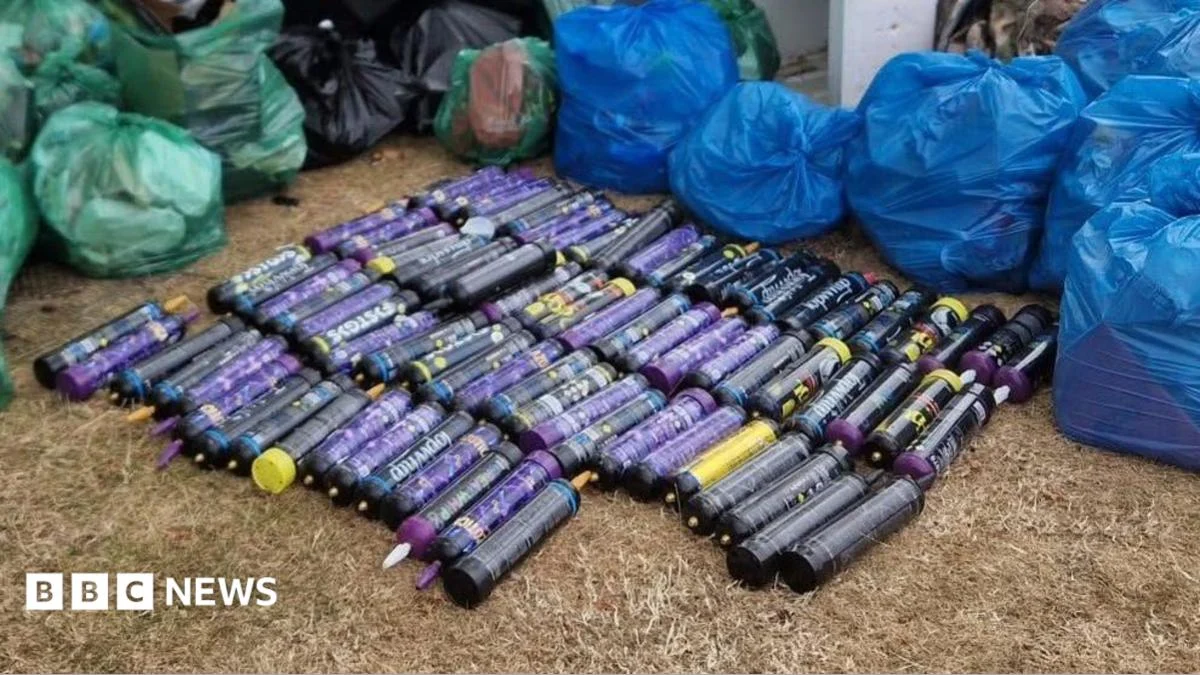
The decision by Peterborough City Council comes amidst escalating concerns from Cambridgeshire Police, who revealed an alarming disposal rate of 972 canisters over the past 12 months within their jurisdiction. This figure underscores the pervasive nature of the issue. Of particular concern to law enforcement is the noticeable rise in the disposal of larger canisters, often indicative of commercial-scale misuse rather than individual recreational use. These larger containers suggest a more organised supply chain and potentially more intensive patterns of consumption, amplifying both health risks and environmental blight. The visible evidence of this problem – countless silver canisters littering parks, streets, and residential areas – has become a distressing sight for many Peterborough residents, contributing to a decline in public amenity and a perception of increased anti-social behaviour.
Councillor Hussain, who represents the Dogsthorpe ward and spearheaded the motion, articulated a clear vision for how the council should confront this challenge. His proposal outlined a comprehensive strategy requiring collaborative efforts across various sectors. Firstly, he called upon the council to work in close conjunction with Cambridgeshire Police, the local licensing team, and community groups to develop and deliver an extensive awareness campaign. This campaign is designed to be multi-pronged, aiming to educate the public, particularly younger demographics, about the severe health risks associated with nitrous oxide misuse. These risks include neurological damage, particularly myeloneuropathy resulting from vitamin B12 deficiency, which can lead to numbness, tingling, and difficulty walking. Other dangers include frostbite burns from direct inhalation, suffocation if inhaled with a bag over the head, and psychological effects such as paranoia and psychosis. Beyond health implications, the campaign will also highlight the significant legal consequences of both possession and supply under the Class C drug classification, which can result in hefty fines and imprisonment. The awareness initiative will likely utilise various platforms, including social media, school outreach programmes, community meetings, and public information materials, to ensure its message reaches a broad audience.
Secondly, Councillor Hussain’s motion requested that council officers actively engage with local retailers who legitimately sell nitrous oxide for its intended commercial purposes. The objective here is to foster responsible retail practices that minimise the diversion of legitimate products for illicit use. Key aspects of this engagement would include encouraging staff awareness training, equipping employees to identify and refuse suspicious sales – such as unusually large quantities purchased by individuals or frequent purchases that do not align with typical commercial use. Furthermore, the motion advocated for rigorous age verification where appropriate, even for products legally available to adults, to prevent access by minors who are particularly vulnerable to the drug’s harmful effects. Maintaining accurate records of commercial purchases, where lawful and applicable, was also proposed as a means to enhance traceability and deter illegal supply networks. This proactive engagement aims to create a barrier at the point of sale, making it harder for illicit users to acquire the gas.
Thirdly, demonstrating a recognition that local action alone cannot fully resolve a problem with national dimensions, Councillor Hussain urged the council leader to lobby the government for stronger national measures and enforcement. This call to action seeks to influence policy at a higher level, potentially advocating for stricter controls on the wholesale supply of nitrous oxide, enhanced police powers for tackling organised crime groups involved in its distribution, and increased funding for local authorities to implement effective intervention strategies. National campaigns that mirror and amplify local awareness efforts would also be a crucial component of a more robust government response. The lobbying effort aims to ensure that Peterborough’s local initiatives are supported and strengthened by a coherent national framework, addressing the root causes and broader supply chains of the problem.
The unanimous passage of the motion by the city councillors is a powerful testament to the collective resolve within Peterborough City Council to address this pressing public health and safety issue. It signifies a cross-party commitment to safeguarding the community, particularly its younger members, from the dangers of nitrous oxide misuse. The unity displayed by the council signals that this issue will be treated with the urgency and seriousness it demands, moving from discussion to tangible action. Following this vote, council officers are expected to begin developing detailed action plans, allocating resources, and establishing working groups to implement the various components of the motion.
Beyond the immediate concerns, the misuse of nitrous oxide poses significant broader challenges. From a public health perspective, the long-term neurological damage associated with B12 deficiency can be irreversible, leading to chronic disability. The psychological toll, including anxiety, depression, and in severe cases, psychosis, adds another layer of complexity. For emergency services and healthcare providers, incidents related to nitrous oxide misuse – from accidental injuries due to impaired judgement to acute medical emergencies – place an additional strain on already stretched resources. Environmentally, the discarded canisters contribute significantly to litter, polluting public spaces and creating an unsightly blight that undermines civic pride and environmental efforts. The cost of clearing these thousands of canisters also places an economic burden on the council.
The reclassification of nitrous oxide as a Class C drug in 2023 reflected a national recognition of these escalating dangers. Possession can lead to up to two years in prison, an unlimited fine, or both. Supplying the drug carries even more severe penalties, including up to 14 years in prison, an unlimited fine, or both. These legal repercussions aim to act as a deterrent, yet enforcement remains a significant challenge given the drug’s widespread availability and perceived low risk among some users.
Councillor Hussain expressed his determination, stating, "We cannot stand idly by while this drug harms our residents and blights our streets. This motion is a clear statement of intent from Peterborough City Council: we are committed to protecting our community, especially our young people, from the dangers of nitrous oxide. We will work tirelessly with our partners to raise awareness, restrict access, and lobby for the stronger national action that our residents deserve." This sentiment was echoed by a police spokesperson who noted, "Working closely with the council and community partners is vital for effective enforcement and prevention. Visible enforcement combined with targeted education will be key to tackling this issue in Peterborough."
The challenges ahead are considerable, including the proliferation of illicit online sales, the perception among some that nitrous oxide is a harmless recreational drug, and the inherent difficulties in enforcing laws against a product that also has legitimate uses. However, the unanimous vote by Peterborough City Council marks a resolute step forward. It signifies a long-term commitment to monitoring the situation, adapting strategies as needed, and fostering a collaborative environment where residents, retailers, law enforcement, and local government all play a part in creating a safer, cleaner Peterborough. Residents are encouraged to report any instances of nitrous oxide misuse or suspicious sales to the police or council, reinforcing the collective responsibility in tackling this pervasive issue.




 George Anjay
 Nakalama John
 atisusanti
 Ramos Leo